-
 Continue reading →: The Hidden Dangers of Fat Spillover: Why Your Body’s Storage System Fails
Eating excess calories leads to fat accumulation in both subcutaneous and visceral areas, with the latter posing serious health risks like inflammation and insulin resistance. Genetics influence fat storage, but modern diets, especially high in fructose, exacerbate metabolic issues. To improve health, one must balance intake and increase physical activity.
-
 Continue reading →: The Fire Within: How Oxygen Powers Life, Fuels Aging, and What We Can Do About It
Every breath provides oxygen, key for ATP production in mitochondria, vital for bodily functions. However, oxygen can also cause aging and cellular damage through free radicals. Antioxidants and moderate stress can enhance resilience. Strategies like calorie restriction and regular exercise can significantly boost longevity by minimizing irreversible cellular damage.
-
 Continue reading →: Beyond Chasing Symbols: Pleasure vs. Enjoyment for a Richer Life
Many seek a better quality of life through external achievements like wealth and status, but true happiness derives from inner fulfillment. Pleasure alone does not foster growth; enjoyment leads to complexity and skill development. The optimal experience, or flow, occurs when we fully engage in meaningful activities, transforming our quality…
-
 Continue reading →: The Brain’s Tiny Guardians: When Microglia Build Us Up… or Tear Us Down
Microglia, the brain’s immune cells, maintain neural health by supporting neuron growth and repair. However, when activated by stress or trauma, they can cause neuroinflammation, leading to various mental health issues. Chronic stress, particularly in children, exacerbates this, increasing the risk of disorders. Balancing microglia is crucial for brain health.
-
 Continue reading →: Gluten: The Silent Trigger of Inflammation, Brain Fog, and Beyond
Gluten sensitivity, linked to inflammation and neurodegenerative diseases, often manifests through gut issues and neurological symptoms. Gliadin, a component of gluten, increases intestinal permeability and fosters autoimmune responses. This inflammation also complicates weight loss and can exacerbate diseases like diabetes. Prioritizing whole foods over processed options is essential for health.
-
 Continue reading →: Genes That Drove Exploration
Research on ADHD highlights cultural and genetic influences in behavior. Studies reveal that genetic variations like DRD4, linked to hyperactivity, differ significantly across populations, affecting traits like novelty-seeking. This genetic predisposition may correlate with historical migration patterns, suggesting that dopamine influences have shaped human exploration and societal dynamics over millennia.
-
 Continue reading →: The Secret Social Network of Trees: Fungi, Fighters, and Forest Survival
Trees are social entities that thrive through partnerships, particularly with fungi, forming a “forest Internet” that enhances nutrient exchange. While trees provide carbohydrates, fungi filter toxins and protect against rivals. This complex ecosystem faces threats from pollution and insects, illustrating that survival is rooted in collaboration rather than isolation.
-
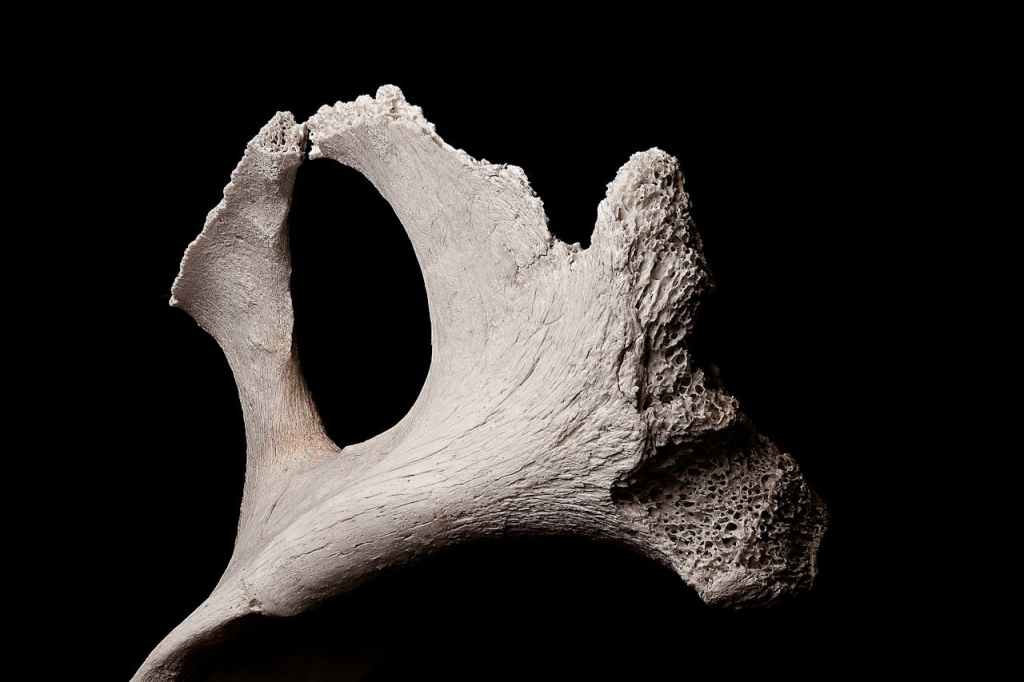 Continue reading →: Alive and Remodeling: The Lifelong Story of Your Cartilage Core
By week six of pregnancy, a tiny embryo is developing rapidly, showing early signs of facial features and limb formation. The skeleton begins as cartilage, evolving through a complex process of ossification. This adaptable structure continues to renew throughout life, facing challenges like bone loss in space, reflecting its resilience…
-
 Continue reading →: The Gaze of Power: Men’s Presence, Women’s Aura, and the World of Oil Painting
The piece explores the contrasting natures of male and female presence, highlighting how men’s power is external and commodifiable, while women’s presence emanates from self-perception. It parallels this with oil painting’s evolution, illustrating how art reflects societal values and commodification, revealing deeper gender dynamics in perception and influence.
-
 Continue reading →: The Viral Trap: How Likes and Algorithms Broke Us
Twitter and Facebook transformed media consumption by introducing features like timelines, ranking algorithms, and easy sharing options, fostering addictive content engagement. However, this virality, initially viewed as democratizing, now subjects users to relentless scrutiny and heightened emotional reactions, ultimately distorting societal connections and amplifying discontent through biased content propagation.
Hello,
I’m Vaibhav

I am a science communicator and avid reader with a focus on Life Sciences. I write for my science blog covering topics like science, psychology, sociology, spirituality, and human experiences. I also share book recommendations on Life Sciences, aiming to inspire others to explore the world of science through literature. My work connects scientific knowledge with the broader themes of life and society.
Let’s connect
Recent posts
Behavior Biology Brain Brain Health Business Consciousness diet Disease DNA Ecology Emotions environment Evolution food Genes Genetics Health Human Anatomy Human Brain life Lifestyle Marketing Medical Medicine Mental Health Mind Mindfulness Nature Neurology Neuropsychology Neuroscience Nutrition Philosophy Psychology Science self-care Self Help Social Social Media Society Sociology Spirituality Stress Technology wellness
 Thinking Beyond Science