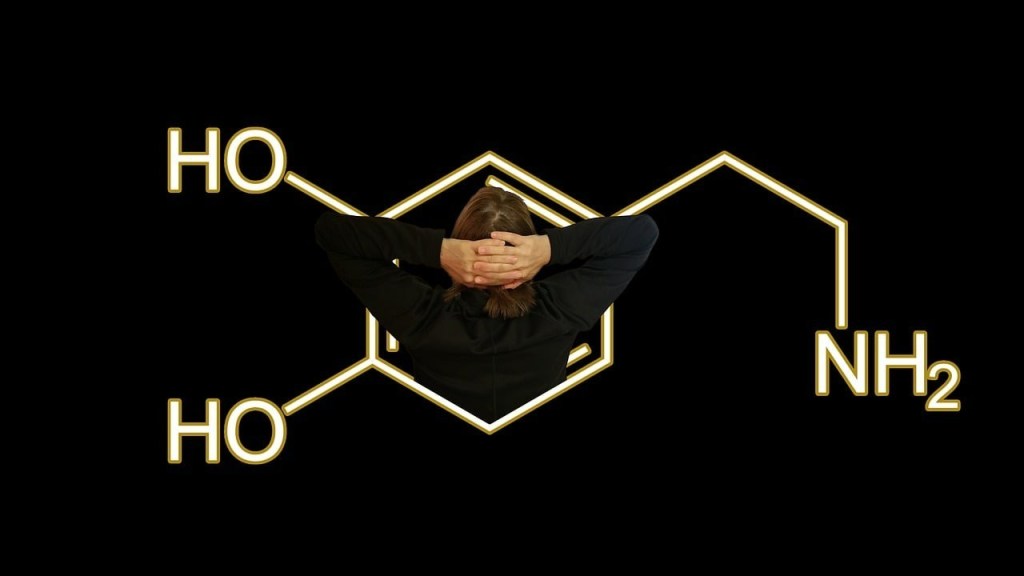
When you move your arm, a nerve impulse is sent from your brain to the muscles in your arm through a series of nerves. While the contraction of a muscle cell is very physical, other cellular activities that need regulation, such as metabolism, are chemical in nature.
Therefore a second communication pathway, known as the endocrine system, is needed. This brings about changes in the body using chemical signals called hormones.
Hormones are often referred to as messengers, but this implies that they contain information that must be read by the recipient. However, this is not the case: hormones contain no data. A hormone is an organic chemical which is released by living cells; it then travels through the bloodstream to trigger physiological changes in other living cells.
What these changes are depends not only on the hormone, but on the type of cell it encounters.
Hormones, like biological molecules, have a defined molecular shape and only bind to specific receptors on their target cells. Cells are therefore only affected by a hormone if they have the right receptor for it, but an individual cell may be a target for more than one type of hormone.
When the hormone binds to its receptor, this triggers a chain of events that result in changes in the cell. For example, the cell membrane may become more permeable to glucose or it may start to produce new proteins. A hormone may even trigger a cell to secrete another hormone(such as grot hormone-releasing hormone which triggers the release of growth hormone)
Some hormones have a similar effect on all cells. For example, thyroxine causes all cells to use more oxygen. Other hormones may have very different effects, depending on the target cells. For example, oxytocin causes muscle contractions in the uterus, but is also responsible for affirming social bonds in the brain.
WHERE ARE HORMONES MADE?
Hormones are made and secreted by specialized cells within glands or organs of the endocrine system. Not all of the cells within these glands or organs secrete hormones, but those that do are usually capable of secreting more than one hormone. These cells are stimulated to produce hormones based on input they receive from the nervous system (nerve signals), as well as from other endocrine glands.
HOW DO THEY MOVE?
Once a hormone is secreted by the cell, it travels in the surrounding fluid and crosses through capillary walls into the bloodstream, to be transported to its target location in the body. The fact that the hormones are simply released from endocrine glands into the surrounding tissue distinguishes these glands from other types of glands in the body, such as salivary or sweat, which secrete their fluids through specialized tubes or ducts.
The word ‘hormone’ comes from the Greek word ormao, which means ‘to excite’ or ‘to arouse’. Other names were suggested over the years, including autocoid (Greek for ‘self cure’) and chalone (meaning ‘to relax’). For whatever reason, these terms were never adopted by the scientific community. To be fair, having an ‘autocidal’ teenager does not exactly roll off the tongue.
Hormones are chemical structures built from the atoms common to all living things, such as carbon, nitrogen, hydrogen and oxygen. Hormones vary widely in size – from multiples of ten (oestrogen is composed of 53 atoms) to many hundreds (insulin is composed of 777). As a comparison, a single living cell contains around one trillion atoms.
Source : Meet Your Hormones: Discover the Hidden World of the Chemical Messengers in Your Body by Catherine Whitlock
Goodreads : https://www.goodreads.com/book/show/44765578-meet-your-hormones
Read Next Article : https://thinkingbeyondscience.in/2025/02/18/understanding-hormones-from-single-celled-organisms-to-complex-life/








 Thinking Beyond Science
Leave a comment