The fundamental governing principles of biology are found in our genes. Human genetics is the study of the biology of inheritance and variability in our human species, and, therefore, neuropsychological genetics is the study of human genetics as it applies to the cognitive and emotive functions of the brain.
One of the key concepts underlying the role of genetics in any complex human trait such as cognition is that of heritability. A trait’s heritability is the variance in its expression that can be accounted for solely by variation in genetics.
It is important to note that the term “heritability” does not mean whether something is inherited or not. For example, having a head is obviously a genetically determined human trait, but its heritability is zero, because the phenotype does not vary in viable human beings.
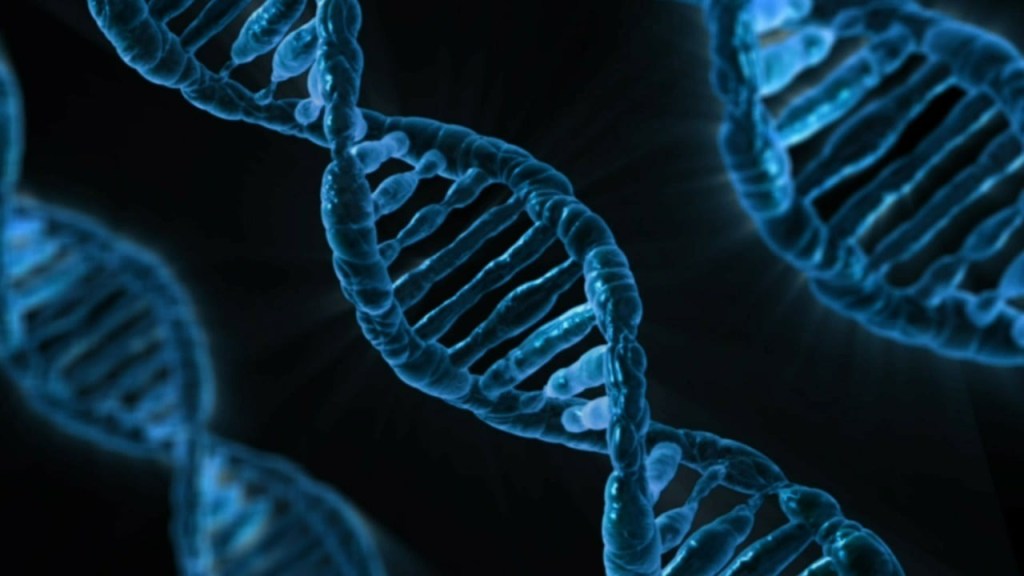
Our genome comprises two copies of twenty-two chromosomes (autosomes) and a pair of sex-determining chromosomes, XY for males and XX for females, contained in the nucleus of the cell. Each member of a pair of matching chromosomes is called a homologous chromo-some. Each chromosome is made of a linear string of double-stranded DNA, composed of the four component nucleotides, and a complex of chromosomal proteins that provide structure and regulatory control.
Identifying the genetic bases of cognitive and emotional traits involves an approach called statistical association. We know that genes do not code directly for complex phenomena like the experience of hallucinating a voice commenting on how you comb your hair or the belief that aliens have implanted a chip in your head or for more mundane cognitive experiences like memory or language. Rather, genes code for the molecular machinery that carries out the functions of a cell.
Genes for memory or intelligence or for complex medical disorders such as schizophrenia are genes associated with the underlying physiological processes that each individual genetic polymorphism alters through its role in the molecular machinery of the cell. Together, susceptibility genes and environmental factors combine to impact these basic cellular mechanisms and cause variance in expression of cognition or of a behavioral disorder.
A gene consists of multiple elements, including sequences called exons that are transcribed into mRNA and transported out of the nucleus for processing into protein as well as sequences called introns that are not part of the mature mRNA. Introns often contain regulatory domains for example, regions involving specific instructions in the splicing together of exons.
Genes vary enormously in size and in their composition of exons and introns. Some genes are only a few thousand nucleotide bases in length, and others are over a million bases long.
If the genomic sequence was exactly alike in every human, we would know that all human variation is a result of variation in each individual’s environment, but that is not the case. It has been estimated that unrelated humans are 99.9% the same as each other based on sequence variance. Humans are 96% to 97% genetically the same as the chimpanzee. That little difference in sequence makes a vast difference in phenotype.
The variation that we see in the human genome is largely the result of evolutionary changes based on the diversity of responses to our uniquely complex environment. Variation that impacts the brain is a key ingredient in the diversity of reactions to mental experience.
Similarly to how a species benefits from variable traits to survive changing environmental pressures, our human species benefits from an enormous variety of cognitive and emotional capacities. As a society or population of humans, we benefit from having among us people who enjoying climbing mountains, people who remember exactly what happened many rainy seasons ago, and people who can fight the neighboring tribe for water in times of drought. Without this cognitive and social diversity, our species would have difficulty surviving the changing demands of the environment.
Variations that have environmental advantage will increase in frequency over time in our species, those that are neutral will likely remain at a low frequency unless they are carried along by other variations that are linked to them, and variations that are deleterious will be selected out over time and become rare.
Since our genome is made up of a double strand of 3 billion base pairs of DNA, the genetic variation takes place mostly in the sequence itself. This can be in the substitution of something as small as a single nucleotide for another to larger structural variations involving duplications or deletions of large segments of sequence.
Source : The Genetics of Cognitive Neuroscience by Terry E. Goldberg (Editor), Daniel R. Weinberger (Editor)
Goodreads : https://www.goodreads.com/book/show/6902204-the-genetics-of-cognitive-neuroscience
Read Next Article : https://thinkingbeyondscience.in/2025/03/15/the-impact-of-genetics-on-personality-and-decision-making/








 Thinking Beyond Science
Leave a comment