One type of water beetle, called Regimbartia attenuata, can even survive being eaten by a frog by swimming through the amphibian’s stomach and crawling out of its bottom. Aquatic insects form a fundamental foundation to the food chain, consuming algae and dead leaves while nymphs and then, later in life, finding themselves on the menu for an array of fish and wading birds, dragonflies, and bats. They are also an important indicator of water quality, as pollution tends to drive them out of streams and rivers. Freshwater insects in the United Kingdom have actually increased their distribution over the past fifty years thanks to clean water regulations in the country.
It’s possible there will never be a unified scientific consensus of an insect apocalypse, not least due to the overwhelming task of collecting data over decades on more than a million small, elusive species. The crisis among insects may become even more apparent, but it will retain its nuance. Not all insects are going to disappear: there will be winners and losers, and some conservation efforts will invariably pay off. If the worst does happen, perhaps we will be able to adapt in a sort of utopian technocratic dream where we somehow manage to partially quarantine our lifestyles from our surrounding environment.
This hesitancy to declare an insectoid catastrophe has chilling echoes of the ponderous response to climate change. While further research is perennially needed to comprehend the heating up of our planet, we disastrously failed to swiftly act on the information we already had. The basics of the greenhouse effect were understood by the Victorian era, with more recent decades deluged by comprehensive scientific warnings of growing urgency. Yet even now, with scientists able to measure to a precise degree exactly how much ice is crumbling away from Greenland or to produce maps of detailed clarity on how Bangladesh, southern Florida, and Shanghai will become partially marine environments, governments dither.
The decline in pollination will manifest itself in several ways. An eclectic mix of insect species ensures a more reliable pollination of plants, but richer diversities also boost the quality and quantity of fruits and vegetables. Potts likes to share a series of comparative photos that shows a strawberry that has been insect pollinated, another that has developed from “passive” or self-pollination, and a third that has been wind pollinated. Only the insect-pollinated strawberry appears recognizable as a strawberry—the other two are so shrunken and misshapen they look like someone has gnawed away most of the plump fruit and tossed the remnants away.
We may casually wish mosquitoes, for example, would simply vanish, but without them, many animals that we ourselves depend on would be denied a primary food source. Mosquito larvae are feasted upon by fish ranging from guppies to goldfish, and once the mosquitoes reach adulthood, they then become part of the terrestrial ecosystem, preyed upon by bats, birds, turtles, and dragonflies.
Ridding the world of mosquitoes would, of course, lift the burden of unbearable disease across the world’s tropics. Since 2000, around 2 million people a year have died as a result of mosquito-borne ailments such as malaria, dengue fever, and yellow fever. By contrast, snakes kill a mere 50,000 of us a year. Mosquitoes cause people more suffering than any other animal by a considerable margin. Several scientists have argued that the end of this misery justifies the elimination of all mosquitoes, even if there is an ecological impact. Fish and birds would find other food. The makers of bug spray could find another line of business. We could all safely flop into camp chairs at dusk after a day hiking in the woods and not be darted by female mosquitoes seeking bloody nourishment for their eggs.
Mosquitoes are surprisingly adroit at pollinating certain plants, including orchids and tansies, due to their desire for floral nectar, although this is rarely witnessed, as they do this at or after dusk. Some researchers have theorized that to mosquitoes, certain flowers smell similar to us. They may weigh less than a grain of rice, but the dead bodies of mosquitoes do mount up, providing important nutrients for plants as they decompose. Mosquitoes have mastered some bizarre skills beyond biting, too-it’s been discovered they have learned how to steal honeydew by stroking the head of a nearby ant, causing the fellow insect to vomit up its tasty meal.
Insects, historically Earth’s great survivors, have managed to adapt and even thrive with previous human tinkering of the environment.
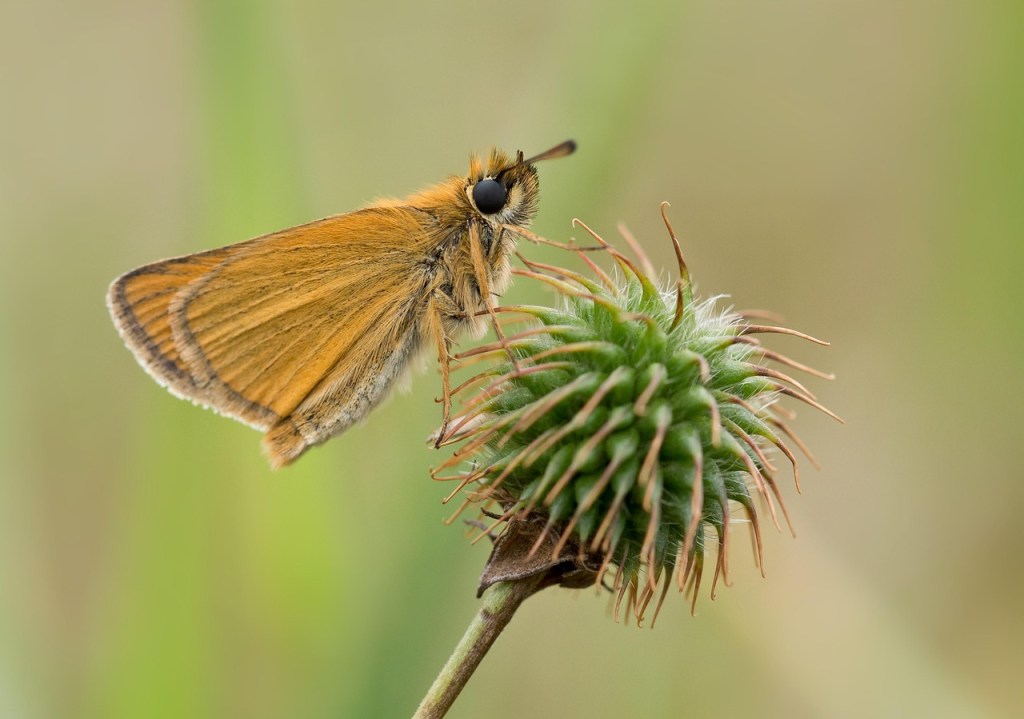
For centuries across Europe, woodland was selectively cut, or coppiced, in patches to provide timber and charcoal for cooking fuel. This arrangement was ideal for butterflies, which enjoyed the shafts of sunshine through the broken canopy and the subsequent regrowth that provided food for caterpillars and nectar sources for adult butterflies.
Source : The Insect Crisis: The Fall of the Tiny Empires That Run the World by Oliver Milman
Goodreads : https://www.goodreads.com/book/show/58100655-the-insect-crisis
Previous Post : https://thinkingbeyondscience.in/2025/01/10/the-crucial-role-of-insects-in-our-ecosystem/
Read the Next Article in the Series :




 Thinking Beyond Science
Leave a comment