
The scale and unpredictability of climate change are both terrifying and frustrating. Our headlines speak of wildfires destroying entire communities, relentless floods submerging towns, and intense heat waves putting millions at risk. Yet for many, the true extent of what’s coming remains abstract—a slow-motion disaster with uncertain boundaries. Even if we take the most hopeful outlook, studies suggest that within the next fifty years, 1.2 billion people will endure temperatures today found only in the hottest regions of the Sahara.
But this crisis doesn’t stop at the human species.
A Calamity Spanning the Animal Kingdom
Planet-warming emissions from industry are not just a human affair—they imperil the entire animal kingdom. Coral reefs face mass die-offs, turning ghostly white as seas warm. Tropical rainforests, home to untold species, are collapsing. While some researchers once thought insects might be more adaptable than mammals or birds, reality paints a more grim picture.
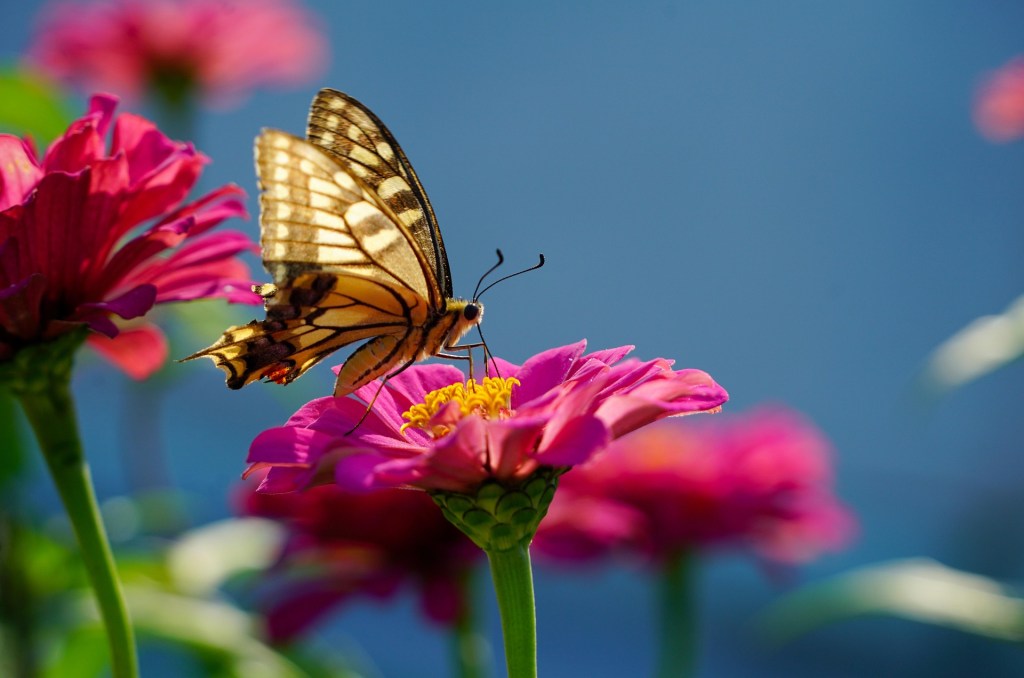
A few nimble insects, such as dragonflies, may manage to keep pace with the creeping changes. However, most cannot. Butterflies and moths, while mobile, are still acutely vulnerable—they need specific plants and conditions at precise points in their lifecycle. Pollinators like bees and flies are even more restricted, moving only short distances, which exacerbates an emerging crisis in food security. As large portions of the world heat up past key thresholds (such as a 3°C increase), vast areas will become unsuitable for crops—from the coffee we brew in the morning to the chocolate we savor for dessert.
The Amazon: A Case Study in Collapse
Amazonia, a haven for insects, offers a stark warning. Intensifying El Niño events—now hotter and drier than in the past—compound the effects of ongoing deforestation, fueling more severe droughts and wildfires. Researchers were alarmed to find that after the 2016 El Niño, counts of dung beetles (vital for nutrient cycling and ecosystem health) in affected forests were slashed by more than half. This loss signals a dangerous feedback loop: fewer beetles mean slower forest recovery after fires, leading to even more fragile and less biodiverse forests.
When Nature’s Symphonies Fall Out of Sync
Climate change doesn’t just weaken or kill species; it scrambles the intricate timing that ecosystems rely on:
Tree leafing now happens earlier, changing caterpillar emergence, and so the timing when birds lay their eggs—an imbalanced chain reaction.
Bees emerge when temperatures rise, but many plants time their blooms based on sunlight, not warmth, leading to mismatches. As a result, in places like the UK, bees awake to a barren landscape, missing the flowers they depend on.
Simon Potts, a bee expert at the University of Reading, warns that these disconnections are beginning to unravel complex food webs. When pollinators and plants are “decoupled,” the ripple effects disrupt the reproduction of plants that humans rely on for food—further tightening the noose on global nutrition.
Adaptations—And Their Limits
Some insects are adapting in remarkable ways. Monarch butterflies are evolving larger wings to traverse longer routes in search of suitable habitat. Famished bumblebee queens, appearing too early from hibernation, will even nibble holes in leaves to coax plants into blooming weeks ahead of schedule. Yet, even the most creative survival strategies may not matter if the plants themselves change beyond recognition.
The reason? Elevated carbon dioxide (CO₂) levels, a byproduct of our coal, oil, and gas addiction, do more than just warm the planet. While CO₂ can spur plant growth, the resulting surge is nutritionally hollow—like a child raised on nothing but chocolate cake. Scientists have found that higher CO₂ dramatically reduces the nutritional quality of plants, robbing them of vital elements like zinc and sodium. The evidence is sobering: in a Kansas prairie, grasshopper populations are declining by about 2% per year, not due to pesticides or missing habitat, but likely from starvation as their food becomes an empty-calorie meal.
The Taste and Smell of a Changing World
Climate change’s reach extends beyond the visible. The very scent of plants, crucial for attracting pollinators, is changing. In drought-stressed shrubland near Marseilles, bees avoided rosemary plants with altered fragrances—stress-induced by heat and water scarcity. As climate change stresses more plants, they not only offer less nutrition but also lose their appeal, further draining the web of life that feeds us all.
The crisis is here, spiraling through both abstract numbers and visceral realities. The Earth’s response to our emissions is not limited to inconvenient weather events or the distant suffering of animals—it is a fundamental reshaping of every relationship in nature, including those that quietly sustain our food, our forests, and our future. Facing this truth may be overwhelming, but understanding its complexity is the first step toward building the will to act.
Source : The Insect Crisis: The Fall of the Tiny Empires That Run the World by Oliver Milman
Goodreads : https://www.goodreads.com/book/show/58100655-the-insect-crisis
Read the Next Article in the Series :
Read the Previous Article in the Series :






 Thinking Beyond Science
Leave a comment