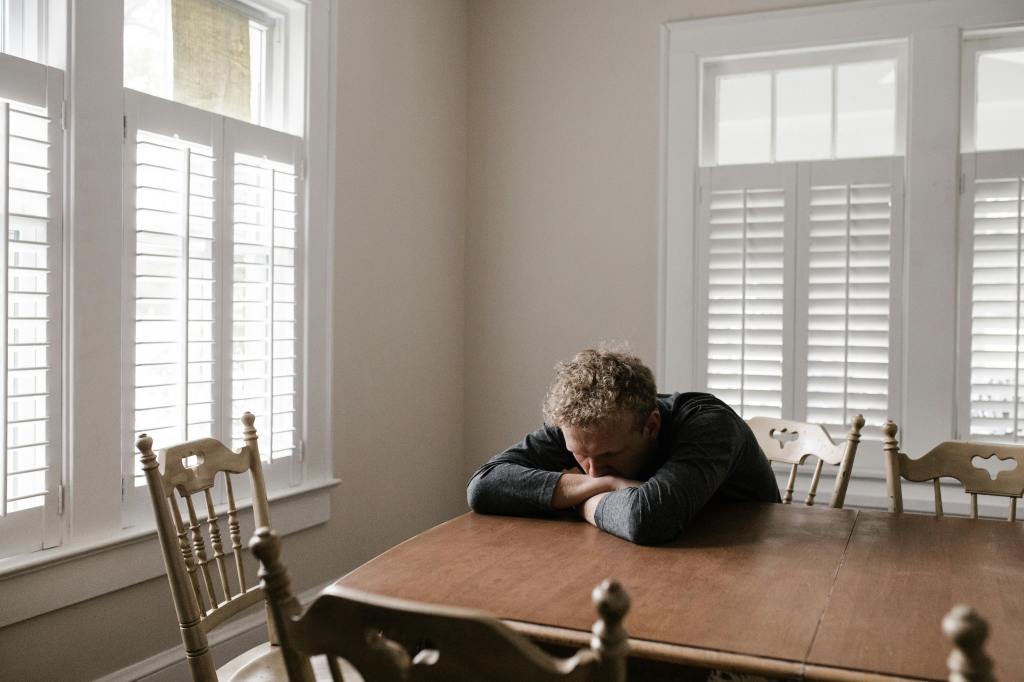
Depression is one of the most common mental health disorders worldwide, yet it remains deeply misunderstood. It affects how a person thinks, feels, and acts—often shaping their overall wellbeing in profound ways. While many see it as mere sadness, depression is far more complex, influencing everything from energy levels and appetite to interest in daily activities and social interactions.
In India and several other countries, cultural attitudes and lack of awareness often cause people to express depression through physical (somatic) complaints—like fatigue, sleep issues, or appetite changes—rather than describing emotional distress. This makes identification and treatment even more challenging.
The Scope of the Problem
Often referred to as the common cold of psychiatry, depression is a major global health concern. The World Health Organization identifies it as the leading cause of disability worldwide.
According to India’s National Mental Health Survey (2015–16):
- Around 150 million Indians suffer from depression requiring immediate intervention.
- 9.8 million young people (aged 13–17) are in need of active help.
- The treatment gap ranges from 28% to 83% for common mental disorders and up to 86% for alcohol use disorders.
These numbers make it clear: depression is not rare—and addressing it requires not just medical care but empathy, awareness, and open communication.
Depression vs. Feeling Low
There’s a significant difference between everyday sadness and clinical depression.
- Feeling low is usually a temporary emotional response to specific situations and resolves with time.
- Depression, on the other hand, lasts for weeks or months and includes multiple symptoms such as:
- Persistent sadness or low mood
- Lack of interest or pleasure in regular activities
- Changes in sleep and appetite
- Fatigue or low energy
- Feelings of guilt or worthlessness
- Recurrent thoughts of death or suicide
If these symptoms persist and affect functioning, professional intervention is essential.
What Causes Depression?
Depression can result from a mix of biological, genetic, and environmental factors. Family history, brain chemistry, or chronic stress can all increase vulnerability. Importantly, it’s not just the stress itself, but how one responds to it that matters most. People lacking coping mechanisms or support networks are particularly at risk.
Comorbid conditions like anxiety frequently accompany depression—nearly half of all people with depression experience both.
Recognizing the Signs
Recognizing early signs can save lives.
- For friends and family: Watch for withdrawal, changes in appetite, sleep, mood, or any mention of suicidal thoughts.
- For teachers: Notice sudden drops in attention, academic performance, or social engagement.
- For psychologists: Assess duration, intensity, and impact of symptoms across all aspects of daily life.
If someone confides that they feel depressed or suicidal, this must always be taken seriously.
Myths and Facts About Depression
- Myth: Depression is a sign of weakness.
Fact: It’s a medical illness, like diabetes or hypertension. - Myth: It will go away on its own.
Fact: Most forms of depression need timely treatment. - Myth: Medication is the only treatment.
Fact: Psychotherapy often works effectively, even for moderate or severe cases. - Myth: Antidepressants are unsafe.
Fact: When prescribed correctly, they are safe and beneficial. - Myth: Alternative therapies can cure depression.
Fact: There’s no scientific evidence to support this.
Supporting Young People
During adolescence, mood changes are expected—but when persistent sadness, irritability, or withdrawal combine with appetite loss, poor sleep, or declining academics, it may indicate a deeper issue. Families should maintain a balanced approach—offering privacy yet staying emotionally available.
Communication is key. Conversations about daily life create openings for young people to share deeper worries. Over time, open dialogue strengthens trust and reduces stigma around mental health.
Building Self-Esteem
Children and adolescents form their sense of self early. Regular positive feedback and encouragement play a vital role in nurturing healthy self-esteem. However, even well-intentioned expectations from parents can sometimes become stressors. As the story of Unnati illustrates, perceived pressure—even when rooted in love—can worsen depression. Families must remain sensitive to how messages are received, not just delivered.
Coping, One Day at a Time
Depression distorts thoughts, making problems feel insurmountable. One powerful recovery approach is to take each day at a time. With every small victory, confidence grows and hopelessness lessens. Over time, the feeling of being in control replaces helplessness.
Understanding Suicide Risk
People with depression face an increased risk of suicide, though not everyone with depression will have suicidal thoughts. If someone expresses intentions to self-harm, take it seriously. Most individuals who die by suicide have shared their thoughts beforehand. Past attempts also significantly raise the risk—making prompt support and intervention vital.
The Way Forward
Depression is treatable—and recovery is possible. Recognizing the signs, breaking the silence, and encouraging professional help can make all the difference. Whether as a friend, teacher, or parent, empathy and communication remain our strongest tools.
Source : Real stories of dealing with Depression: Mindscape series by Amrita Tripathi
Goodreads : https://www.goodreads.com/book/show/46212299-real-stories-of-dealing-with-depression
Read the Next Article in the Series :







 Thinking Beyond Science
Leave a comment