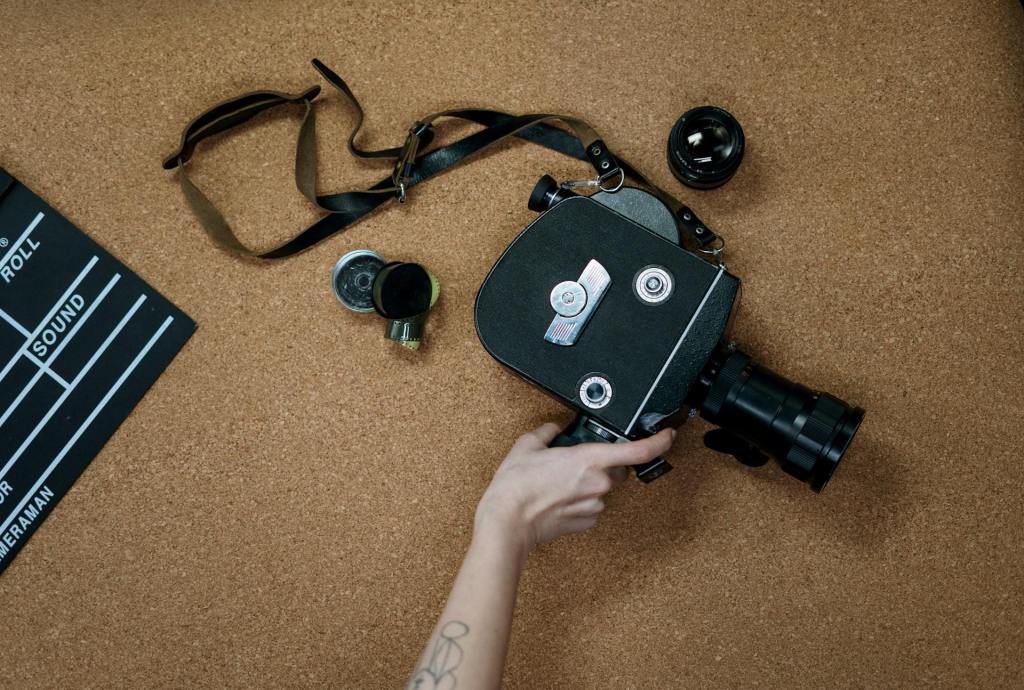
The reproduction of a painting by a film camera doesn’t merely transfer an image from one medium to another—it transforms the painting into part of the film-maker’s own argument, as the original is filtered through a new context, a new purpose, and inevitably, new meanings. The authority of the painting lends weight to the film, but in doing so, the painting’s independent, intrinsic meanings are overlaid with the intentions of those who reproduce it. The painting now illustrates someone else’s point; the words and narrative surrounding it become the dominant voice.
Image and Word: Authority and Argument
A film or a book that uses a painting is not a neutral window to the original work. Instead, it leads us, the viewers or readers, to the creator’s own conclusions, often at odds with the painting’s standalone meaning. As the essay notes, the words “quote” the painting to confirm and bolster their own authority, rather than to illuminate or honor the painting’s unique voice. The painting is no longer an autonomous source of meaning—it becomes a supporting player in another’s story.
This can be subtle but profound. Words, captions, or context can redefine what an image means, making it serve a new narrative. The authority of the painting is thus fragmented and distributed throughout its new context. In the world of rapidly shifting information, a reproduced painting has to “hold its own” against a barrage of other images and ideas, fighting to retain some of its original force, but always changed.
The Politics of Reproduction
Reproduction is not value-neutral. Art magazines, coffee-table books, films, and even the gilt-framed images in living rooms all play a role in supporting the illusion that art’s authority is undiminished, that it naturally justifies and ennobles existing forms of authority and hierarchy. The concept of “National Cultural Heritage” leverages this power explicitly, using revered images of art to bolster the social system and its priorities.
But the power to reproduce can be political and commercial—it can disguise or deny the potential for new, democratizing uses of art. There are exceptions, however. In private, people create personal collections—boards or walls with postcards, photos, clippings, and reproductions—that, assembled together, speak to their personal experiences and memories. On these boards, the images are equal, chosen not for history’s approval but for private resonance—a logic that, in its way, subverts the traditional role of a museum.
Original and Reproduction: Experience and Silence
There’s a unique, irreplaceable experience in standing before an original painting. The stillness and silence of the painted surface communicate something that reproductions—even hung on a wall—cannot replicate. In that silence, we can sense the immediacy of the artist’s gesture, the collapse of historical distance into the present act of seeing. As Cézanne described, to paint a fleeting moment is to become that moment; to see the painting is to be present with the act of its making.
Yet, the way we approach original art has been shaped by our culture of reproduction. Museum guides, catalogues, and audio tours mediate and sometimes insulate us. We run the risk of mistaking reverence for real engagement, nostalgia for understanding. The true task is not to treat originals as relics or reproductions as mere substitutes, but to find a relationship with art that is alive and integrated into our own historical understanding.
Art, Innocence, and Experience
Pinning a magazine reproduction of an ancient Greek head next to a family photo does not claim to unlock the full meaning of the Greek original. But it does allow for a highly personal encounter with the image—one that bypasses the authority of experts and the nostalgia of a ruling class in decline. The question becomes: who is entitled to assign meaning to the art of the past? Is it the “clerks” of cultural hierarchy, or those who find ways to apply art to the realities of their lives?
Art has always existed within a preserve—originally magical, later social, and now bureaucratic or institutional. Its authority has always been bound to the authority of the preserve, whether cave or palace. The challenge of our time is to use the “new language of images” differently: to define our experiences with precision where words cannot, to locate ourselves within our histories and thus claim a more active role as agents of meaning.
The Art of the Past as Political Issue
Who uses the language of art, and for what purpose, is now a matter of deep public concern. It touches on copyright, publication rights, and the policies of public collections, but these are only the surface issues. At stake is something greater: the freedom of people and communities to locate themselves in history and to act with agency. The art of the past, then, is no longer simply an aesthetic question—it is a political one.
When the art of the past becomes the battleground for these social and political struggles, the authority of art, so long used to serve unequal power, is put at stake. In this new context, what matters most is not what the painting originally meant, but who gets to use its meaning now—and for whose benefit.
Source : Ways of Seeing by John Berger
Goodreads : https://www.goodreads.com/book/show/2784.Ways_of_Seeing
Read the Next Article in the Series :
Read the Previous Article in the Series :


 Thinking Beyond Science
Leave a comment