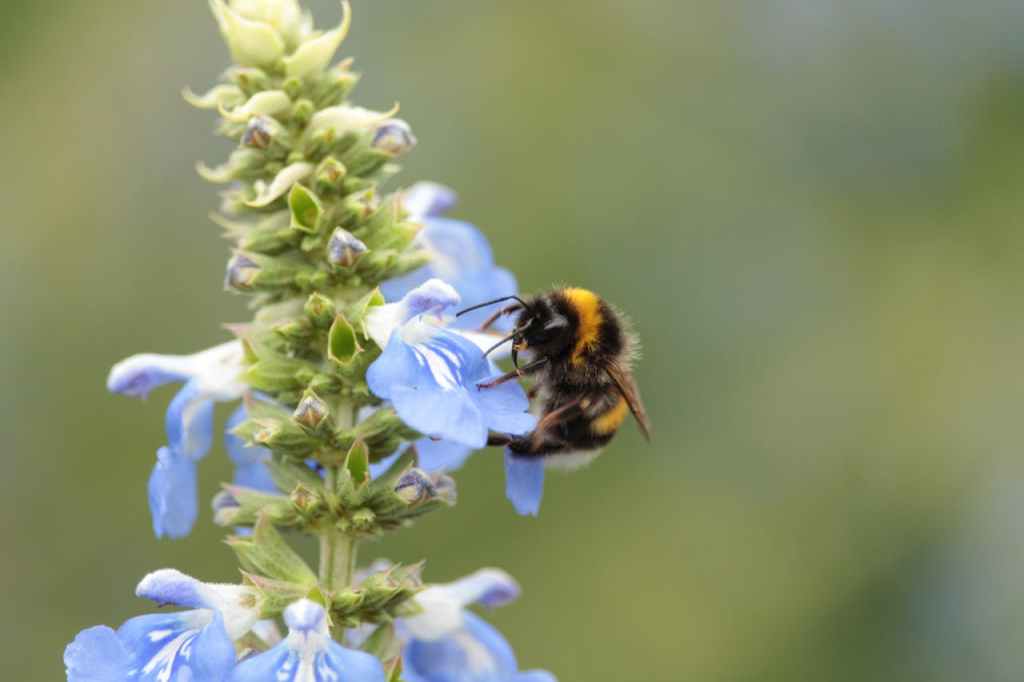
In 2006, the world witnessed a disturbing shift in our relationship with one of nature’s smallest yet most vital creatures—the honeybee. Beekeepers began reporting an alarming phenomenon: worker bees abandoning their hives in massive numbers—30,000 or even 40,000 at a time—leaving behind their queen and young brood, crippling entire colonies overnight. This phenomenon, which came to be known as Colony Collapse Disorder (CCD), was terrifying in its mystery. Unlike the usual bee deaths where bodies are found and removed by their hive-mates, here there were no bodies—only empty hives, signaling a silent and baffling crisis.
The sudden disappearance of these essential pollinators sparked fears of a looming bee apocalypse. Media headlines captured the imagination and anxiety of the public. In 2013, Time magazine featured a solitary honeybee on its cover with the stark warning, “A World without Bees.” The grocery chain Whole Foods heightened public awareness by temporarily removing 237 pollinator-dependent items, like apples, avocados, carrots, and broccoli, from one store—a vivid demonstration of how deeply intertwined our food system is with bee populations.
At the heart of the crisis is the Varroa destructor mite, an incredibly destructive parasite aptly named for its impact on bees. These tiny arachnids latch onto honeybees, piercing their exoskeleton to feed on their hemolymph, a vital nutrient-rich fluid, in a manner far more damaging than a mere mosquito bite. They also infiltrate bee larvae chambers, multiplying rapidly and weakening colonies by draining the bees’ immune systems and spreading viral diseases. The presence of Varroa mites has been a key driver of colony losses, exacerbating the threats bees face.
Honeybees have roamed the Earth for nearly 200 million years, surviving monumental shifts from the age of dinosaurs to the rise of humans. Yet in the past three decades, human actions have pushed them perilously close to collapse. Modern agricultural practices, habitat loss, pesticide use, and the global movement of bees for crop pollination have created a fragile system that is efficient but vulnerable to sudden breakdowns.
While honeybees often dominate the conversation, many wild native bee species are suffering even greater declines. The U.S. government listed the rusty patched bumblebee as endangered in 2017 after a catastrophic 95% population drop. Scientific reviews suggest that more than half of surveyed native bee species in North America are declining, with a significant portion edging toward extinction.
Native and wild bees perform critical pollination tasks that honeybees cannot. The blue orchard bee, for example, is more efficient in pollinating cherries and almonds, while bumblebees provide “buzz pollination,” vibrating their wings at high frequencies to dislodge pollen from crops like tomatoes and blueberries—plants that require this specialized pollination method.
Bumblebees’ incredible metabolic rates mean they need abundant nectar sources to sustain their energy-intensive flight and pollination work. However, widespread habitat loss, pesticide exposure, and environmental changes have caused significant wild bee declines, particularly in places like Britain, where a third of wild bees and hoverflies are now in decline.
The plight of pollinators is a complex ecological crisis with implications far beyond honey production. Our food security, biodiversity, and ecosystem health are intimately connected with the survival of these tiny but mighty creatures. Recognizing this interdependence urges us to rethink land use, reduce pesticide reliance, and protect pollinator habitats to ensure a vibrant future for bees—and for ourselves.
Source : The Insect Crisis: The Fall of the Tiny Empires That Run the World by Oliver Milman
Goodreads : https://www.goodreads.com/book/show/58100655-the-insect-crisis
Read the Previous Article in the Series :





 Thinking Beyond Science
Leave a comment