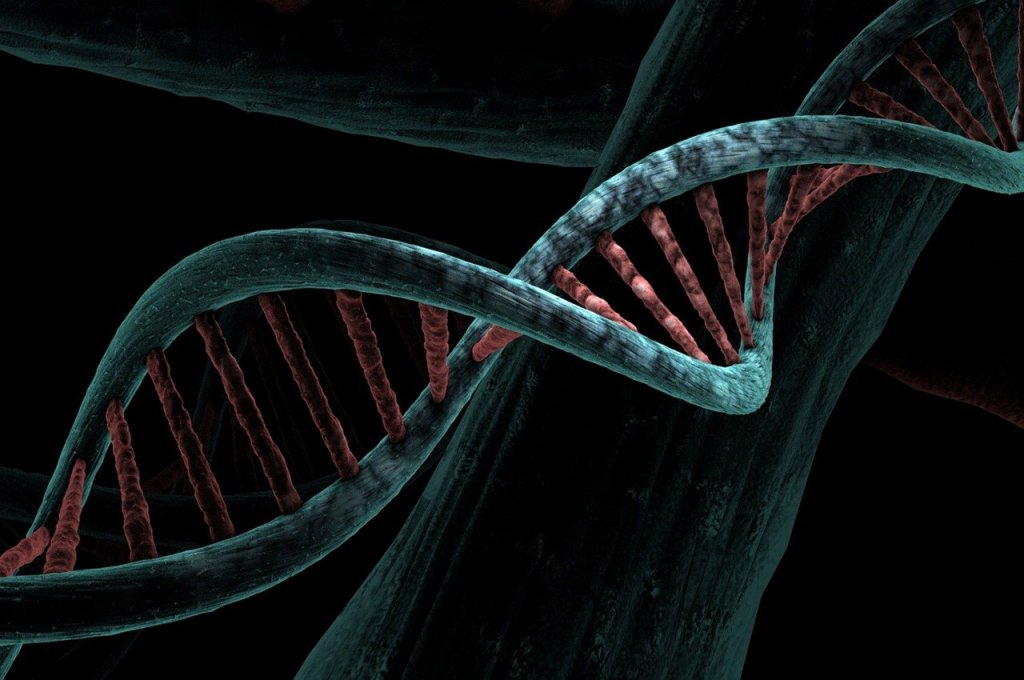
Imagine a vast library inside every cell of your body, holding the complete blueprint for who you are. This is your genome—the genetic code, often called the human genome—that exists in nearly all of the trillions of cells making up a human being. It provides the fundamental instructions for how our bodies build, run, and sustain themselves, passing life onward to the next generation.
Strung together like 23 volumes of an intricate book, these instructions form chromosomes. Each person inherits two sets—one from each parent—creating a unique mix that shapes everything from eye color to disease risks. Zoom in, and chromosomes reveal long strands of DNA, packed with tens of thousands of genes. DNA’s famous double-helix ladder connects via about 3 billion rungs, each a pair of four chemical bases: A for adenine, G for guanine, C for cytosine, and T for thymine. These nucleotides form the language of genes, dictating traits alone or in teams, from hair shade to vulnerability for Parkinson’s.
Genomes: Species Blueprints and Personal Signatures
By definition, a genome captures all hereditary data needed to construct and maintain an organism. Earth’s species each boast their own: the dog genome, cat genome, rose genome, even those of cold viruses, broccoli, or E. coli bacteria. This complete set ensures a specific creature emerges, from fur patterns to leaf shapes.
Yet genomes aren’t just species property—they’re individual too. Except for identical twins or clones, every human, deer, oak tree, or eagle carries a one-of-a-kind version. These personal twists arise from tiny sequence variations, fueling diversity within species while keeping core functions stable across generations.
Pregnancy Timing and Hidden Autism Links
Genetics sets the stage, but life’s timing adds plot twists. In early 2011, Columbia University researchers found second-born children conceived within 12 months of the first child’s birth faced over threefold higher autism diagnosis risk. Those spaced 12-23 months apart still showed double the risk compared to siblings conceived three full years later.
Such patterns suggest maternal recovery, nutrient stores, or stress between pregnancies might tweak early fetal development. No single factor pins it down, but the data urges caution on rapid family planning, highlighting how closely spaced births intersect with genetic predispositions.
Bones as Toxin Vaults: A Bold Theory
Bones might hide more than calcium—they could store toxic heavy metals like lead and cadmium, accumulated over years. As age brings bone loss, these poisons leach back into the bloodstream, potentially fueling health woes from fatigue to worse.
Researchers speculate bisphosphonates, which halt bone breakdown, might block this toxic release too. By stabilizing skeleton, these drugs could safeguard the body from its own stored hazards. Future studies must probe if this holds, bridging osteoporosis treatments to detox benefits.
Lab Wonders vs. Real Bodies: Garlic, Turmeric, and Skepticism
Garlic and turmeric slay tumors in petri dishes, sparking “superfood” buzz. Yet labs simplify reality—no digestion, no immune dance, no full-body chaos. Alcohol kills cancer cells there too, but alcoholics aren’t immune; kerosene might work similarly, yet no one chugs it.
Human tumors crawl slowly, unlike lab animals where cancers balloon to 20-30% body mass in weeks. A drug causing mouse nausea starves the beast by curbing eats, mimicking anti-cancer wins via calorie cuts, not direct hits. Fast-dividing tumors guzzle nutrients; truncate supply, and growth stalls—proving lab feats often falter in flesh-and-blood trials.
Modern Life’s Pollutant Puzzle
Our world brims with invaders: city smog, GM foods, leaching plastics, dubious tap water, stray factory chems. These jolt personal and planetary systems, breeding worry over “toxic modernity.”
But blanket blame falters—urbanites outlive rural kin despite the haze, thanks to vaccines, clean water, sanitation gains. Not all shifts harm; many “villains” prove neutral or mild on study. Isolate each suspect scientifically, ditching doomsday lumps.
Rewriting Fate Through Environment
Genes lock in, but surroundings flip their switches. Internally, tweak diet or meds; externally, cut pollutants or pace pregnancies. We can’t edit DNA easily, yet environmental nudges alter gene expression, coaxing health from fixed code.
Perhaps nature’s pharmacy—spices, drugs, habits—already holds cures. The gap? Knowing combos to reshape bodily milieus perfectly. Shift from gene hunts to ecosystem hacks, and illnesses might yield.
In this gene-world tango, wisdom lies in balance. Honor your genome’s script while sculpting stages where it shines—spaced families, bone care, measured eats, clear air. Health blooms not despite complexity, but through mastering it.
Source : The End of Illness by David B. Agus
Goodreads : https://www.goodreads.com/book/show/12750840-the-end-of-illness
Read the Previous Article in the Series :





 Thinking Beyond Science
Leave a comment