The word ‘culture’ doesn’t have one specific meaning. While it is powerful in shaping our minds, bodies and sexualities, it also moves and evolves over time. There are many types of cultures that impact us, and that impact is called ‘conditioning’.
There is domestic culture (the norms in your home), religious culture (the norms of the religious group you or your family might belong to) and dating culture (social norms around relationships, including gender roles), among others. What therapists and researchers do know is that we are all products of many systems of psychological conditioning, and culture is one of those systems.
Because psychological and social conditioning deeply impact the choices we make-whether we are consciously aware of it or not—I strive to make space for people’s inner relationship with sexuality and culture to lead us to a deeper understanding of where they may be feeling stuck.
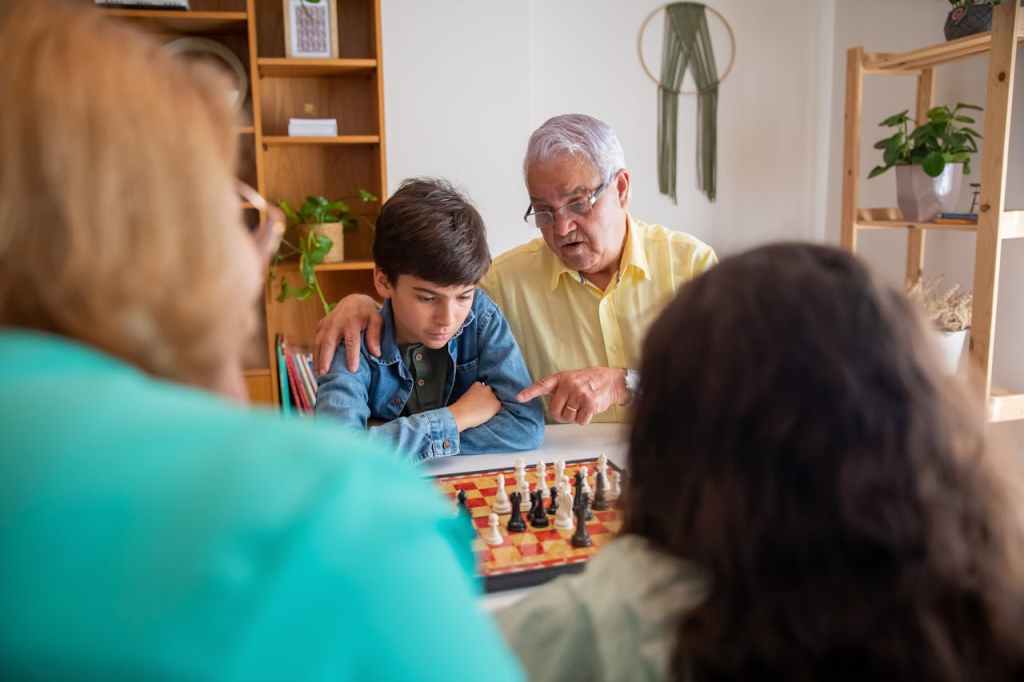
What our mothers, fathers, grandparents, cousins, schoolteachers, nannies, religious and spiritual gurus, priests and others tell us in our childhood about life gets interpreted by us, as children, as truth’.
This is only natural. However, this is what creates this stubborn thing that’s called psychological conditioning’. The movies and songs we consume contribute to it, as do the verbal and non-verbal strategies our families use to deal with life’s many challenges.
All this impacts us first as children at home, then at school, then in college and workplaces and finally in the adult homes we ourselves go on to create. We often carry forward information from one life phase to the next without really stopping and asking how relevant that conditioning, that stored information, is for us.
Inner work practices such as therapy, meditation, journaling, creating art and communal grief-sharing can lead us to a greater sense of agency around this internalized sense of oppression. It can empower us to separate beliefs around sex and sexuality that have been imposed upon us as normative, versus those that are indigenous to us.
Apart from cultural norms and norm-based oppression such as colonial trauma or religious trauma, which might repress what’s natural and true for us as children or adults, it is essential to understand how broad the scope of trauma really is.
When trauma happens (no person escapes the knife of trauma in some way, shape or form)-when we get hurt, ill, violated, abused, pained, shamed, bullied or impacted by a lack of control over the events in our lives-our bodies adapt to that physical and emotional pain to keep us alive. If we were lucky as children, we had at least one secure adult around us who helped calm us and then repaired the hurt before it transformed into something more drastic.
A lot of us urban Indian adults had some form of stable, if not secure, adult to calm physical pain. Most Indian parents of any generation are extremely attentive to physical harm towards children.
However, that same physically secure adult likely did not have the emotional tools to calm us down in the ways children need—at a more tender, heart-centred level.
Most people grow up with a curious mix of knowledge, values, judgements, pains, triggers, attitudes, behaviours, feelings and beliefs that come from the various people, places and events in our past. Without pausing to reflect on these, we may go through life never really understanding that underneath the surface of this carried-forward information lies an individual entity—a unique person with their own heart, mind, sexuality and spirit-who has the power to make their own choices, feel their own feelings, listen to their own mind and attune to their own body, gently and compassionately.
So, when we practise looking below the surface of someone’s life story, we begin to understand more deeply how they’re also uniquely shaped as sexual-emotional beings carrying their own unique mix of decades of stored information. We slowly start to recognize how living a mentally, sexually, emotionally, physically and spiritually well life is less about asking, ‘What is wrong with me?”, Who can fix me?’ or ‘What is the problem with you?’, but more about reflecting on, ‘What is that really happened to me?’, ‘How have I been impacted by it?’ and, most importantly, ‘How can I learn to live with it in a way that makes sense to me and that gives me clarity and power to lead my life as I want to?’
The understanding and insight that can come from truly finding answers to these essential questions over a long period of time can then help us make more empowered choices for the lives that we may really want to live. We then start to access the powerful, healing choice of keeping the harmful stories of our cultural conditioning aside, choosing the stories we want and making more considered choices within a larger society that might be slowly recovering from traumatization and disempowerment.
There are so many common threads of sexual conflicts, familial conflicts around sexual values, sexual myths related to cultural taboos, relational complexities and sexual desires— that we Indians share as a people, even in our staggering diversity. I’ve seen that even simply naming the shared Indian relational cultural realities that have been repressed from social consciousness due to their ‘taboo nature’ can lead to so much emotional freedom and powerful healing for so many of us.
One of the other major factors that keep us stuck in shame both as a society and as individuals is the very strict gaze of intergenerational conflict within our social systems. All of these are legitimate inner and outer realities and complexities that keep Indian families, couples and individuals stuck in layers of secrecy and codependency, which often lead to increased tension and relationship conflicts. It makes sharing space increasingly difficult.
When conflict isn’t managed actively, it often becomes toxic. In popular psychology, when something is defined as toxic, it means it has become poisonous, which indicates it is dangerous to be around.
Over time, this toxicity can cause illness that then leads to more shame, distortion and stagnancy-which in turn leads to more ill-health. A family therapist is trained to help conventional and non-conventional family units to work through years of mismanaged relational conflict, to help members process traumatic family events such as deaths, accidents, illnesses, job losses and more and to help. individuals gain greater awareness of trauma responses and how they impact each other.
Source : Unashamed: Notes From the Diary of a Sex Therapist by Neha Bhat
Goodreads : https://www.goodreads.com/book/show/213289435-unashamed
Read the Previous Article in the Series :




 Thinking Beyond Science
Leave a comment