
For decades, our understanding of health has been dominated by numbers on a weighing scale. But modern nutrition science is gradually breaking free from this narrow lens—and what it reveals might surprise you.
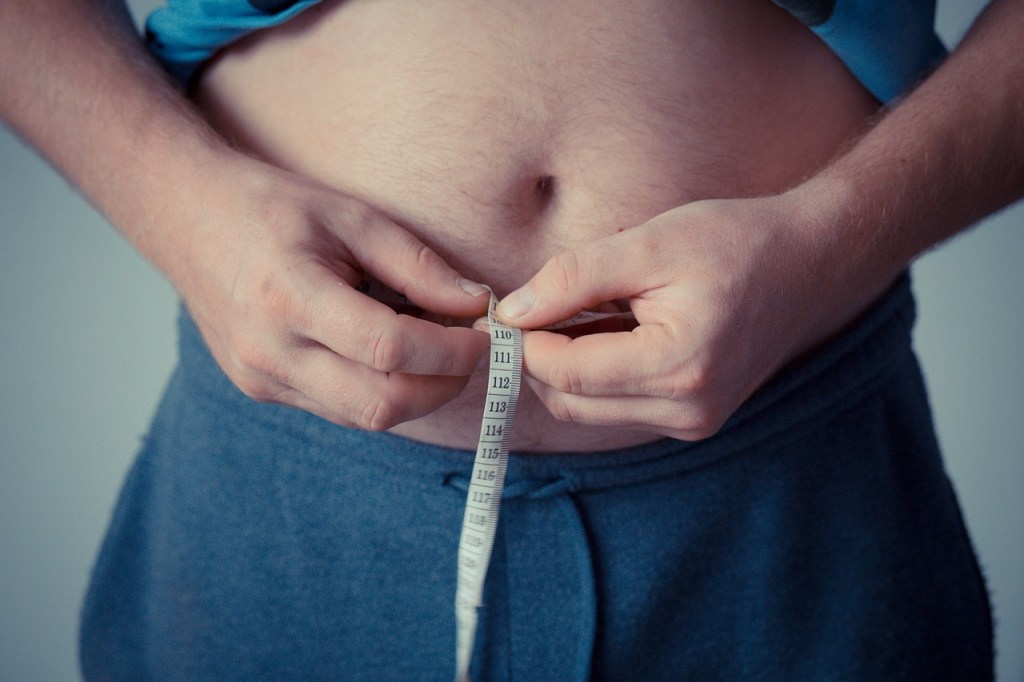
About 25–30% of people with obesity are actually metabolically healthy obese (MHO). This means they have a balanced liver fat percentage, a stable lipid profile, and a low risk of diseases like diabetes, cancer, and heart ailments. In other words, it’s entirely possible to be overweight yet metabolically healthy. The flip side? You can also appear “fit” but harbor invisible metabolic risks.
The Weight-Loss Trap
Despite emerging evidence, the conversation around health remains fixated on weight. The most common advice continues to be simple—“lose some weight.” People dive into quick-fix diets that promise rapid results. But most of these diets rely on restriction—cutting calories, removing food groups, or rigidly controlling meal timings.
These approaches might deliver short-term results, but they’re rarely sustainable. Inevitably, most people abandon the regime and return to their usual habits—only to regain the lost weight, often more rapidly than before. Worse, this yo-yo effect can increase the risk of chronic diseases by a staggering 150%.
A Better Way Forward
True health, science now agrees, lies in sustainable change. Even a gradual weight loss of 5–10% per year is considered safe and effective. The goal is not just to lose weight but to build habits that last.
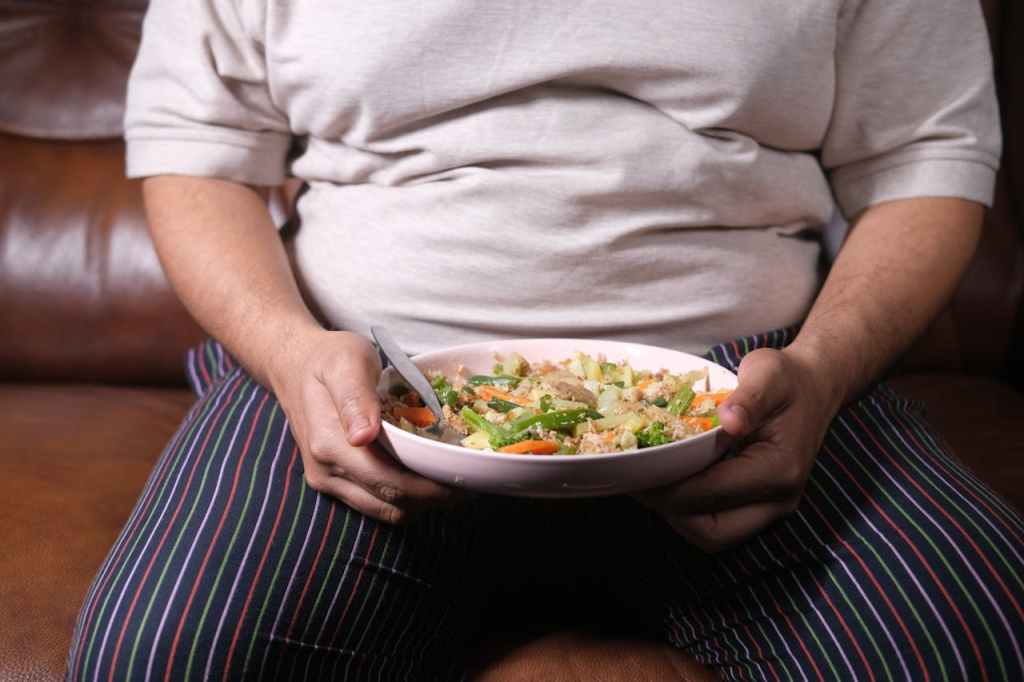
A sustainable diet isn’t about fads or forbidden foods—it’s about balance. It should meet three essential criteria:
- Rich in nutrients
- Culturally resonant
- Ecologically sensitive
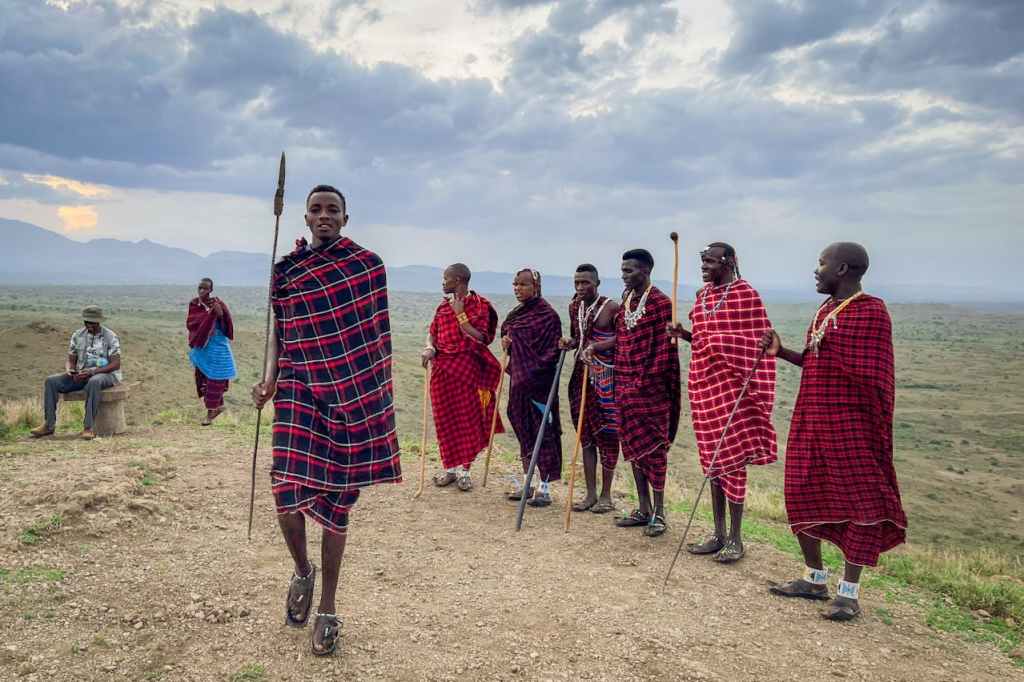
In simple terms: eat local, seasonal, and traditional food. Choose what’s close to the earth and your roots. Grandmothers everywhere have known this instinctively; science is just catching up.
When Diets Come in Disguise
The diet industry never runs out of “new” inventions—just recycled trends in fancier packaging. The Atkins diet resurfaced as Keto. Paleo was reborn as Low-Carb, High-Fat (LCHF). Intermittent fasting and time-restricted eating are simply modern takes on age-old fasting traditions.
As one witty observer put it, the LCHF experience can feel more like being “low on confidence and high on farts.” These trends depend on either calorie restrictions or food eliminations—different labels, same logic. They might appeal to our desire for quick change, but they’re rarely sustainable or healthy in the long run.
The Fitness Project: A Sensible Revolution
Sustainable health needs a guide—steady, dependable, not flashy. Think of it as the person who reminds you to pack your toothbrush for a trip, not the one who dazzles you in a sports car. The fitness project embraces this spirit: a scientific, sensible, and sustainable approach to long-term well-being.
Diet trends come and go, but genuine health grows quietly through consistency. What we need is not another fad but a shift in mindset—away from dramatic transformation and toward mindful living.
Beyond the Kitchen: The Role of Policy
Individual choices matter, but broader systems shape our health too. Pollution, for instance, is now an established risk factor for diseases like diabetes and cancer. Even with perfect habits—clean eating, regular exercise, enough sleep—living in a polluted area raises your risk.
That’s why governments and policymakers play a crucial role in public health. Actions like:
- Regulating junk food advertisements, especially for children
- Taxing ultra-processed foods
- Promoting walkable cities and green spaces
- Supporting rural-urban food linkages
- Reducing plastic and processed packaging
—all contribute to creating healthier communities. As citizens, we must demand such sustainable policies from our representatives.
Coming Full Circle
If nutrition once reduced food to a mix of carbs, proteins, and fats, it’s now learning to see food in full color again—in its cultural, ecological, and emotional contexts. The wisdom that once lived in our kitchens and farms is making a comeback, backed by science.
Health, in the end, doesn’t come from perfection or deprivation. It comes from balance—between tradition and innovation, body and environment, individual choices and collective responsibility. Your grandmother’s kitchen might just hold the science of the future.
Source : The 12-week Fitness Project by Rujuta Diwekar
Goodreads : https://www.goodreads.com/book/show/49854871-the-12-week-fitness-project




 Thinking Beyond Science
Leave a comment