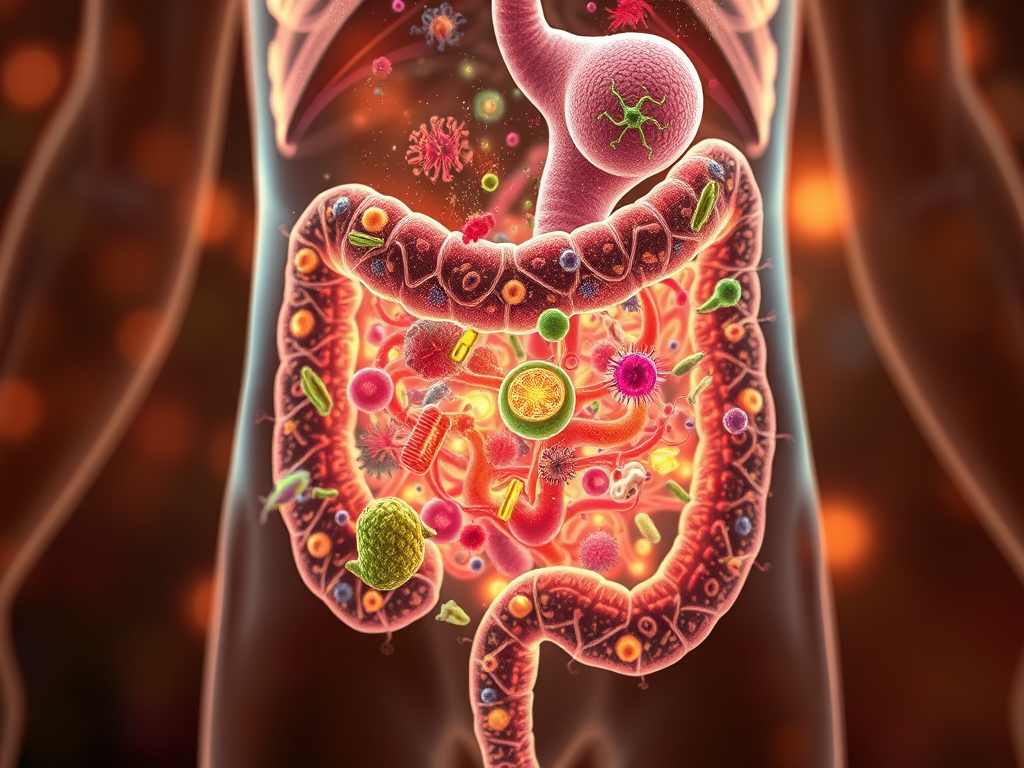
Your intestines host upward of 100 trillion beneficial microbes—a number so vast it’s like one million million bacteria. Picture a trillion dollar bills laid end to end: they’d stretch from Earth to the sun and back, with miles to spare. Multiply that by 100, and you glimpse the scale of your “vast gut garden.” These microbes outnumber your human cells by ten to one, making you a sophisticated host to this microbiome metropolis of bacteria, fungi, viruses, and parasites.
You’ve co-evolved with these microbes over millennia in a symbiotic dance. Your body gives them shelter and food; they digest your meals, shield you from pathogens, and power key processes. Beyond digestion, your gut microbiome influences metabolism, hormones, brain function, and immunity. It’s also your mood’s command center—home to 95% of your serotonin and 50% of your dopamine, the feel-good neurotransmitters.
Gut Bugs and Your Brain: A Direct Line to Emotions
This five-pound microbial powerhouse shapes your mental health in surprising ways. Studies link rises in certain gut bacteria to anxiety and depression, shifts post-trauma to PTSD, and gram-negative bacteria surges at menstrual cycle’s end to premenstrual irritability, anxiety, and cravings.
Emerging research reveals gut bacteria even dictate your food choices. They produce metabolites that signal the brain, urging specific eats. In animals, introducing certain bacteria alters eating behavior entirely. Try quitting sugar? Sugar-loving bacteria, overgrown from your diet, fight back by tweaking taste buds, opioid and cannabinoid receptors, plus dopamine and serotonin. Cue intense cravings, anxiety, crankiness, and fatigue—your microbes rebelling to survive.
Five Common Gut Health Disruptors to Watch For
When balance falters, trouble brews. Here are five frequent issues:
- Bacterial Dysbiosis: Your microbiome thrives on harmony among species. Antibiotics, stress, and junk food tip the scales, letting “bad” bugs crowd out probiotics. The result? An imbalance wreaking subtle havoc.
- Leaky Gut: Tight junctions in your intestinal lining act as bouncers, controlling nutrient absorption into the bloodstream. Damage loosens them, allowing food particles, toxins, and bad bacteria to leak through. This sparks chronic inflammation body-wide.
- Small Intestinal Bacterial Overgrowth (SIBO): Bacteria from the large intestine invade the small one due to a faulty migrating motor complex (MMC), which sweeps them downward during fasting. Symptoms include IBS, bloating, reflux, histamine issues, anxiety, and brain fog.
- Candida Overgrowth: Candida albicans yeast belongs in small amounts within your mycobiome. Antibiotics or sugar-heavy diets crash beneficial bacteria, letting candida explode. This invites other opportunists, harming physical and mental health.
- Food Sensitivities: Immune-driven like allergies but delayed (hours or days later), these stem from and worsen leaky gut. Small amounts might seem fine daily, yet trigger anxiety, rashes, or other surprises over time.
Your gut isn’t just a digestive tube—it’s a bustling ecosystem steering your body and mind. Nurture it wisely to unlock its full potential.
Source : Gut Feelings: Healing the Shame-Fueled Relationship Between What You Eat and How You Feel by Dr. Will Cole
Goodreads : https://www.goodreads.com/book/show/61358636-gut-feelings
Read the Previous Article in the Series :







 Thinking Beyond Science
Leave a comment