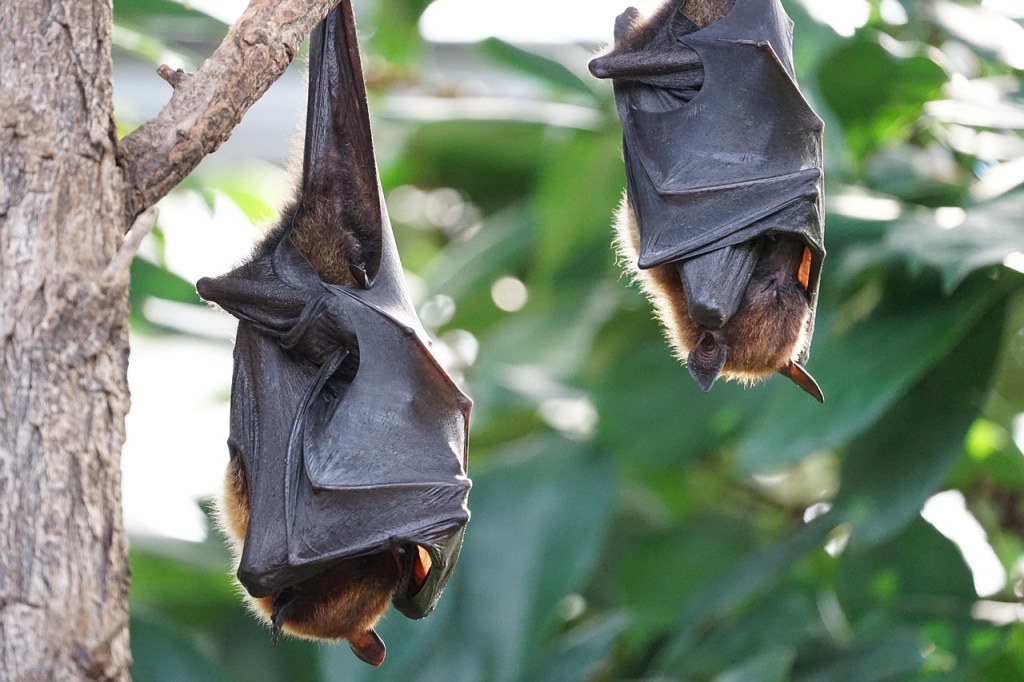
Infectious diseases remain a persistent challenge, but a crucial fact stands out today: over 60% of them come from animals. These pathogens, called zoonoses, jump to humans either directly or via vectors like ticks and mosquitoes. They’ve fueled some of history’s worst epidemics and pandemics, including HIV, Ebola, and swine flu. Experts estimate three out of every four new or emerging diseases in people originate from animals—mostly wildlife—demanding constant vigilance on our interactions with the animal kingdom.
Boundaries between humans and animals are blurring fast, amplifying these risks.
Why Zoonoses Are Surging
Human expansion plays a starring role. Populations grow, pushing people into unknown territories; communities densify and travel more; animal farming scales up with lax oversight; forests fall, forcing encounters with wildlife; and bushmeat reliance rises. Take Ebola: it sparks when people venture into forests, contact infected animals’ bodily fluids, or eat their meat.
The transmission happens in key ways:
- Directly: Through blood or bodily fluids.
- Indirectly: Via germs in soil, coops, or other environments.
- Vectors: Mosquitoes, ticks, and similar carriers.
- Foodborne: Unpasteurized milk or undercooked meat from sick animals.
Yet, understanding zoonotic spread lags. Experts react to outbreaks, leaving prediction under-resourced.
Influenza: A Zoonotic Wild Card
Influenza exemplifies the threat. This airborne respiratory virus has four types—A, B, C, D—with A and B driving seasonal epidemics. Type A subtypes, named for surface proteins haemagglutinin (H) and neuraminidase (N) like A(H1N1), bear the heaviest load. The 2009 swine flu pandemic stemmed from one such strain, which still circulates yearly.
Type C causes mild illness rarely, and D hits cattle but not humans—yet. Viruses evolve via mutations and reassortment, birthing new strains each flu season. Whether from pigs or birds, another pandemic looms; a lucky reassortment could ignite global spread. Prediction and response remain educated guesses.
Fighting Back: Vaccines and Eradication Dreams
Eradicating diseases is the holy grail, achieved only once with smallpox despite efforts against yaws, malaria, polio, and Guinea worm.
Malaria gained a new tool: the RTS,S vaccine. Trials cut infections in young children by 39%; a 2019 pilot in three sub-Saharan African countries confirmed benefits. Now fully developed, it will immunize over 300,000 children yearly for five years. It offers short-term protection, mainly for kids—not a silver bullet.
HIV, another zoonosis from monkeys, transmits via bodily fluids like blood, breast milk, semen, and vaginal secretions. It hijacks cells to replicate, then depletes CD4 white blood cells, leading to AIDS if untreated. Spreads mostly sexually, but also via contaminated needles (e.g., drug use or sloppy healthcare) and mother-to-child.
Humanity’s Endless Battle—and Our Role in It
Infections have always shadowed us; plague and syphilis once decimated communities but persist in pockets with resurgences. We’ve adapted: hygiene, living standards, and antibiotics tamed many. Now, with 8 billion people encroaching on wildlife, constant travel, drug overuse, and internet-fueled misinformation, challenges evolve.
Human nature fuels this. We explore remote areas underserved by health services, crowd dense cities ripe for contagion, and brush against nature’s pathogens. Shortcuts like antibiotic misuse in humans and farms breed resistance. Our questioning psyche amplifies vaccine doubts, supercharged by online echo chambers eroding trust in experts.
We won’t eradicate all threats, but adapting—through prediction, vaccines, and smarter habits—keeps us ahead.
Source – Outbreaks and Epidemics: Battling Infection in the Modern World by Meera Senthilingam, Brian Clegg (Series Editor)
Goodreads –https://www.goodreads.com/book/show/44784435-outbreaks-and-epidemics
Read the Previous Article in the Series :







 Thinking Beyond Science
Leave a comment