When Twitter launched in 2006, its standout feature was the timeline—a relentless stream of 140-character updates you could scroll on your phone. It felt like drinking from a fire hose, an endless gush of real-time info. Later that year, Facebook countered with its News Feed, kicking off a new era of constant content consumption.
Soon, both platforms introduced a game-changer: ranking algorithms. These smart systems predicted your engagement—how likely you’d like, comment, or share—and prioritized content accordingly. Suddenly, the chaotic timeline became a personalized river of stuff you’d actually interact with, making it far more addictive.
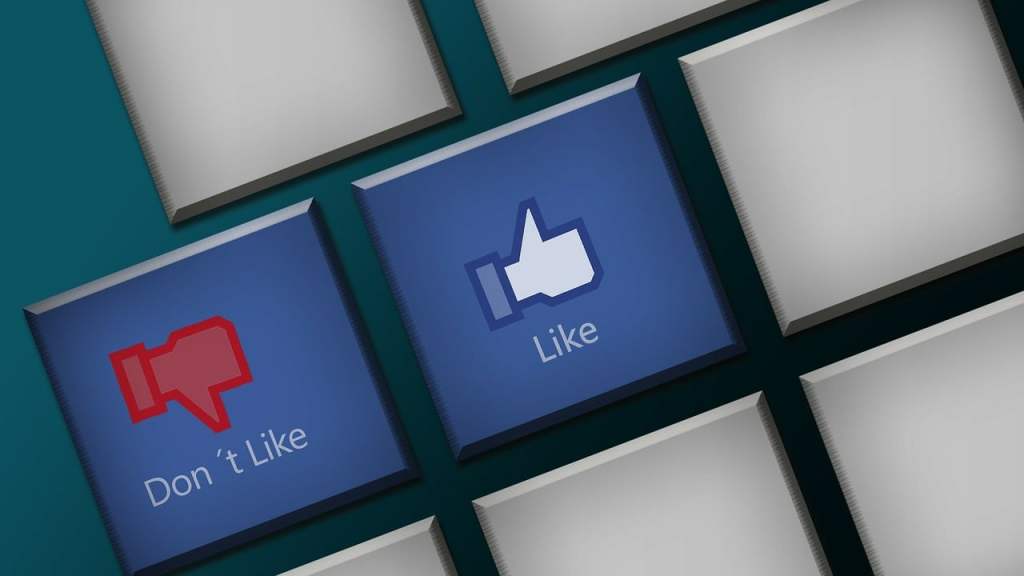
In 2009, Facebook dropped the Like button, birthing a public scoreboard for post popularity. Twitter swiftly copied it, turning likes (and later favorites) into the gold standard for online value. That same year, Twitter added the Retweet button, ditching the old copy-paste hassle. One click, and your followers saw someone else’s tweet—frictionless virality. By 2012, Facebook rolled out its Share button for smartphone users, empowering everyone to amplify content instantly.
These three pillars—algorithmic curation fueled by likes, tailored feeds, and one-click sharing—supercharged each other. Algorithms spotlighted engaging posts based on social metrics; users boosted them further by sharing to their networks. Pocketed in our smartphones, they reshaped our media landscape into the wild, outrageous ecosystem we know today. This rivaled the printing press in speeding up info flow, birthing the viral era.
Back in the 2010s, virality felt like a democratizing miracle. Anyone could snag fame through sheer content merit—no gatekeepers, no elite media brokers. Early hits were hilarious videos, memes, and gems that entertained or informed. Creators blew up overnight, and it seemed egalitarian, letting us glimpse raw humanity like never before.
But here’s the hidden clause: in being seen, we agreed to constant scrutiny. Every post invited judgment from friends and strangers, pulling us into a performance contract. We dove in, chasing the spectacle.
Fast-forward: You glance at your phone for the time. Nineteen minutes vanish into a stranger’s photostream, a wild TikTok dance, or a random YouTube laugh. It’s no accident—it’s engineered. “Free” apps monetize your attention via ads, turning idle scrolls into revenue. You’re the product, your eyeballs the currency.
Tech firms tweak this via analytics and A/B tests, treating you as a predictable data mine. The North Star? Engagement. This single metric warps news, politics, and discourse because it prioritizes what grips emotions—rage, fear, outrage. Platforms, creators, journalists, and politicians all profit.
Our feeds amplify shouting voices and scary stories, flooding us with threats. We crave fixes, sharing “wrongs” to call out enemies everywhere. Dopamine hits from likes fuel righteous posts laced with certainty and judgment. Empathy shrinks; we perceive a world in moral siege, politics poisoned, cooperation crumbling.
These tools aren’t just diverting us—they’re fracturing how we connect, sense-make, and tackle humanity’s biggest woes. The viral gift morphed into a lens distorting society itself.
Source : Source : Outrage Machine: How Tech Is Amplifying Discontent, Undermining Democracy, and Pushing Us Towards Chaos by Tobias Rose-Stockwell
Goodreads : https://www.goodreads.com/book/show/64005201-the-master-builder
Read the Previous Article in the Series :







 Thinking Beyond Science
Leave a comment