In social conventions that are only now being questioned—though far from overcome—a woman’s presence differs fundamentally from a man’s. A man’s presence hinges on the promise of power he embodies, whether moral, physical, temperamental, economic, social, or sexual. If that promise feels large and credible, his presence commands attention; if small or dubious, he fades into the background. This power always points outward—what he can do to you or for you. Even if fabricated, the pretense targets influence over others.
A woman’s presence, by contrast, radiates from her own attitude toward herself. It shapes what can and cannot be done to her, manifesting in every gesture, voice inflection, opinion, facial expression, outfit, chosen surroundings, and taste. Nothing she does escapes contributing to it. Men often perceive this as an almost physical emanation—like heat, smell, or aura—intrinsic to her very being.
This distinction in presence mirrors deeper ways of seeing, especially in art. Oil paintings frequently depict tangible, buyable things, turning the canvas into a surrogate possession. Owning such a painting feels like acquiring the object it represents and placing it in your home. Yet art experts and historians often overlook this link between possession and the oil painting’s mode of vision. Curiously, an anthropologist first came closest to spotting it.
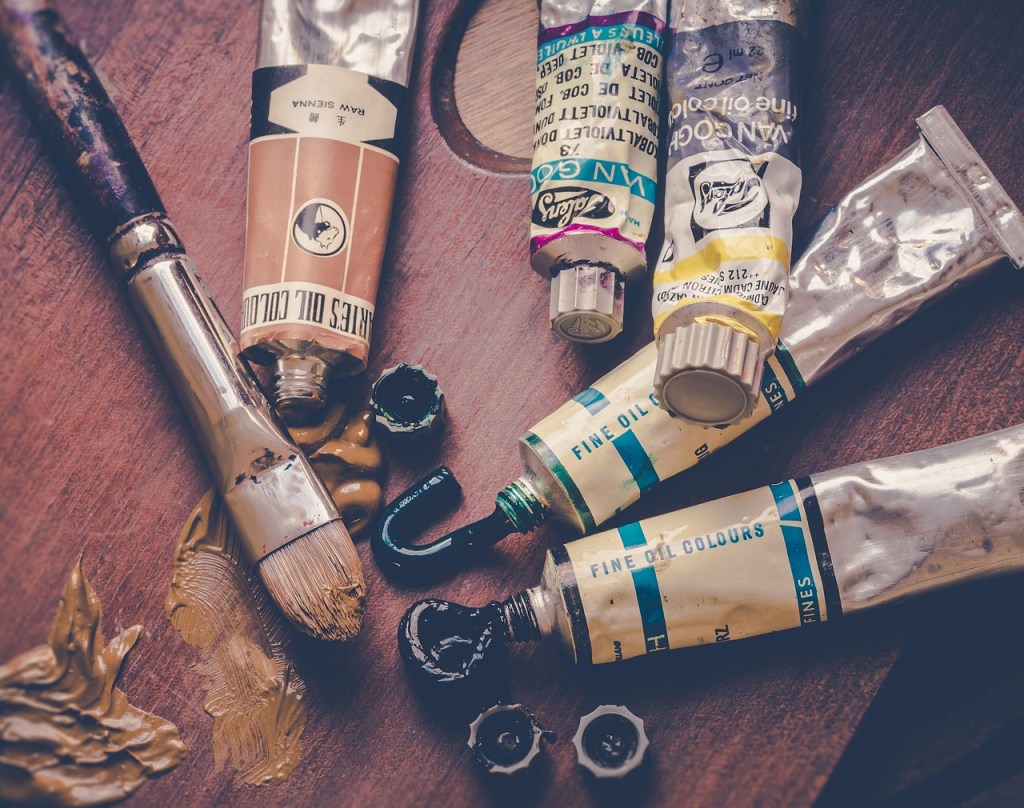
Oil painting transcends mere technique; it defines an art form born from necessity. While mixing pigments with oil dated back to ancient times, the form emerged in early 15th-century Northern Europe to capture a new worldview that tempera or fresco couldn’t handle. It evolved to use canvas over panels, shedding medieval conventions by the 16th century to forge its own norms of seeing.
The tradition’s peak roughly spanned 1500 to 1900. Impressionism eroded its foundations, Cubism toppled them, and photography seized its role as the dominant visual source. Yet its influence lingers in our cultural assumptions—defining pictorial likeness, shaping how we view landscapes, women, food, dignitaries, and mythology. It provides archetypes of “artistic genius” and frames art history as thriving when society loves art enough.
Oil Painting’s Capitalist Mirror
Oil painting transformed appearances much like capital reshaped social relations: reducing everything to the equality of objects, rendering all exchangeable as commodities. Reality became mechanically measurable by materiality alone. The soul, preserved in Cartesian isolation, could only be touched indirectly—through what the painting referenced, never its envisioning. This conveyed a vision of total exteriority.
Exceptions like Rembrandt, El Greco, Giorgione, Vermeer, or Turner challenge this at first glance. But viewed against the tradition’s vast output—hundreds of thousands of canvases across Europe, many lost, few now deemed “fine art,” and fewer still icons of the masters—they stand apart. Museumgoers feel overwhelmed not from personal failing, but because art history ignores the chasm between masterpieces and the average.
Every culture shows talent disparities, but none match oil painting’s extreme gap between “masterpiece” and mundane. It’s not just skill or imagination; it’s morale. Post-17th century, average works grew cynical—the painter valued the commission or sale over the expressed ideals. Hack work arose not from clumsiness or provincialism, but from the market’s insistent demands outpacing art. This era aligned with the open art market’s rise, birthing the antagonism between exceptional vision and commodified output.
These dynamics in oil painting echo the gendered presences we started with: men’s outward power commodified, women’s inward aura objectified. Questioning these conventions invites us to rethink not just social roles, but the very frames through which we see—and possess—the world.
Source : Ways of Seeing by John Berger
Goodreads : https://www.goodreads.com/book/show/2784.Ways_of_Seeing
Read the Previous Article in the Series :






 Thinking Beyond Science
Leave a comment