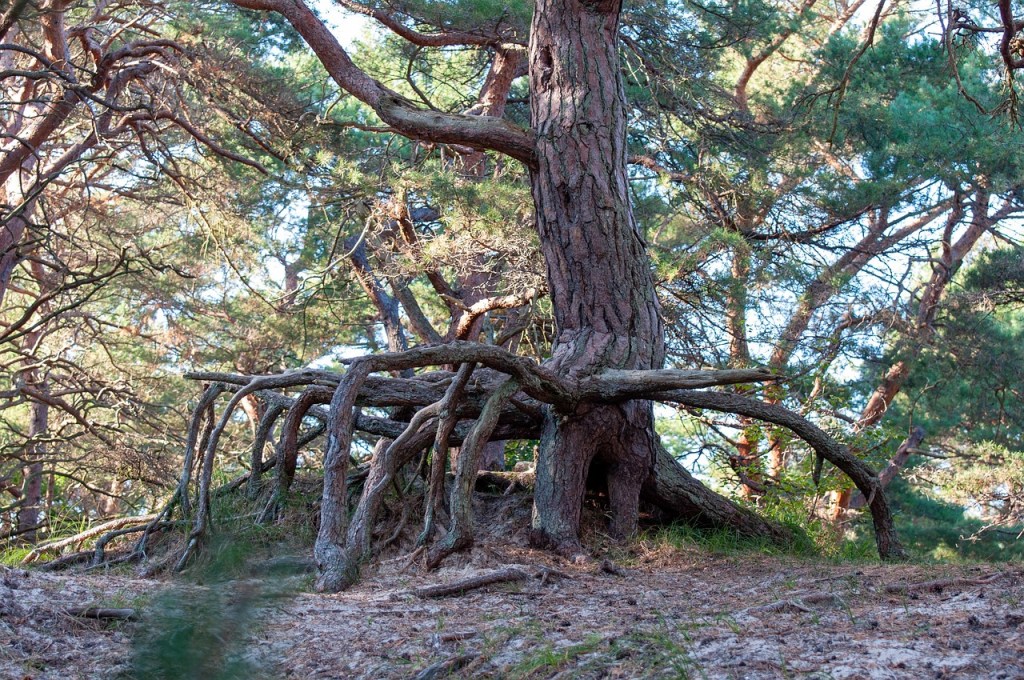
Trees aren’t solitary giants—they’re social beings that help each other thrive in the competitive forest arena. Yet, survival demands more than camaraderie. Each species battles for space, light, and water, stretching roots with fine hairs to suck up every drop from damp soil. Normal conditions suffice, but trees crave an edge, and for millions of years, they’ve teamed up with fungi to get it.
Fungi defy easy classification, straddling the line between plants and animals. Unlike plants, which photosynthesize their own food from thin air, fungi can’t. Their chitin-based cell walls—more insect-like than plant—mean they rely on living connections for sustenance. Trees welcome them literally, allowing fungal threads to invade soft root hairs. No one knows if it hurts, but trees seek this bond, suggesting it feels right.
Once paired, the duo expands the tree’s reach. Fungal webs envelop roots and spread across the forest floor, linking to other trees’ networks. This creates a “forest Internet,” letting trees swap vital nutrients effortlessly. The catch? Fungi demand payment—up to a third of the tree’s sugar and carbohydrates. In return, they manipulate root tips, filter heavy metals (which end up in mushrooms like porcini or boletes, even trapping pre-Chernobyl radioactive caesium), and fend off bacteria or rival fungi.
These partnerships endure centuries if healthy, but pollution can kill fungi fast. Trees adapt quickly, switching partners from their roster of options. Fungi aren’t so flexible—some are host-specific, like those favoring birches or larches, while versatile ones like chanterelles pair with oaks, birches, or spruce. Underground space is prime real estate, and competition rages.
Insects add drama to this underworld. Bark beetles swarm spruce, devouring the cambium layer and killing trees swiftly. A great spotted woodpecker swoops in like an oxpecker on a rhino, pecking out fat larvae and flinging bark chunks. This might save the tree—or at least halt beetle spread to neighbors.
Dry years weaken thirsty trees against woodboring beetles. Enter the black-headed cardinal beetle: adults sip aphid honeydew harmlessly, but larvae devour rival beetle grubs under deciduous bark, sparing oaks. When prey runs low, they even cannibalize their own.
Forests pulse with these alliances and rivalries—trees outsourcing to fungi for supercharged roots, insects playing hero or villain. It’s a reminder that survival hinges on smart partnerships, not solo strength.
Source : The Hidden Life of Trees: What They Feel, How They Communicate: Discoveries from a Secret World by Peter Wohlleben, Tim Flannery (Foreword), Jane Billinghurst (Translator)
Goodreads : https://www.goodreads.com/book/show/28256439-the-hidden-life-of-trees
Read the Previous Article in the Series :






 Thinking Beyond Science
Leave a comment