
Every breath you take delivers oxygen to your cells’ powerhouses—the mitochondria. These tiny factories use oxygen to churn out adenosine triphosphate (ATP), the universal energy currency of life. ATP’s high-energy bonds fuel enzymes, which are specialized proteins that speed up vital reactions. Without them, your body couldn’t build muscle proteins or craft the lipids that form cell membranes. Oxygen metabolism keeps all cellular subsystems humming, supporting everything from growth to repair.
But oxygen is a double-edged sword. It’s a reactive gas that nurtures green wood into mighty trees—yet it also ignites raging forest fires. In our bodies, this reactivity drives aging through “entropic burning.” Normally, mitochondria maintain a proton gradient (H+ ions) across their membranes, blocking out disruptive calcium and sodium ions. When ATP production falters, the gradient collapses. Ions flood in, triggering necrosis—fatal cell damage. Or oxygen misfires in the electron transport chain, spawning superoxide radicals.
Free radicals like superoxide wreak havoc on DNA, accelerating cell damage during aging. That’s where antioxidants shine. Vitamins C and E, plus compounds in green herbs, neutralize these unpaired-electron marauders. Exercise ramps up your body’s own defenses: enzymes like glutathione peroxidase, superoxide dismutase, and catalase, plus lactic acid (that muscle-burning sensation during workouts). Low ATP even drops glutathione levels, crippling antioxidant production when you need it most. Evolution armed us with systems to destroy oxidants, repair DNA, and detoxify byproducts in an endless chemical battle—autocatalysis mirrored back at us.
This ties into the “Matthew effect”: abundance begets more abundance, scarcity spirals into loss. Healthy gradients amplify vitality; breakdowns cascade into decline. As researchers Toussaint et al. (2003) observe, stressors push cells to their limits. Mild, ongoing free radical production builds resilience, like immunization priming the immune system. Moderate stress activates repair without overwhelming it. But chronic assaults—from smoke, toxins, or radiation—flood cells with oxidants, slashing ATP, curbing metabolism, and sparking apoptosis (programmed cell suicide).
Unchecked damage flips molecular switches. Sensors detect harm, signaling genes to shift into “old cell” mode: irreversible changes, suppressed activity, and senescence—the new steady state of aging.
Hacking Longevity: Lessons from Evolution and Science
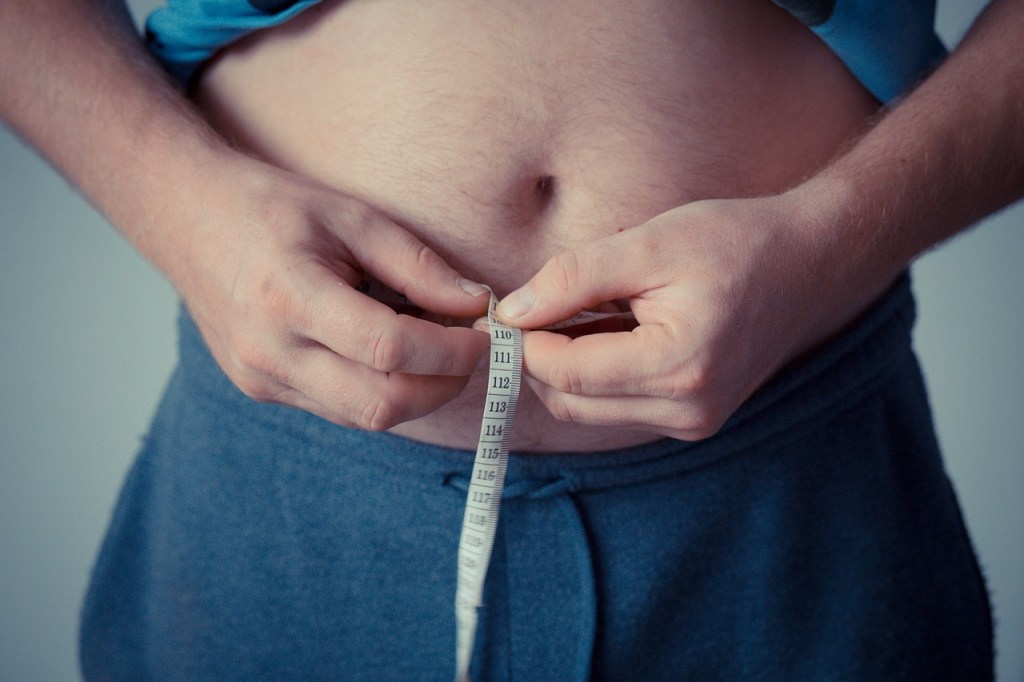
Even with our genetic blueprint, we can boost lifespan 50-100% through calorie restriction, exercise, and disease prevention. The key? Minimize irreversible damage from illness, accidents, overeating, or poor habits—keeping cells active but not abused.
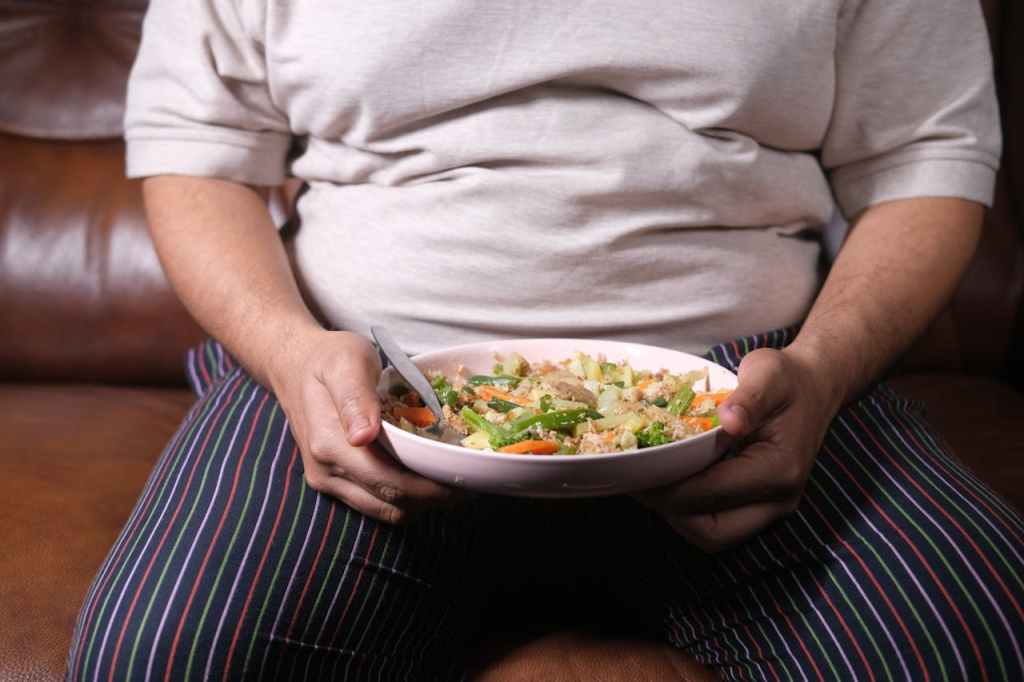
Calorie restriction stands out: cut intake well below free-feeding levels (without malnutrition), and species from rodents to others live longer with less DNA damage. Our hairless ancestors embodied this. Unlike hairy chimps or gorillas, early humans shed fur for endurance running, tracking prey across savannas. Sweating cooled their bodies efficiently, flooding brains with blood to sharpen intelligence. We inherited that drive—now channeled into clothes for cooler climes and workouts for health.
Small choices amplify: exercise circulates scavengers, restriction starves damage. Quality trumps mere years—metabolic vitality soars when we play by these thermodynamic rules.
Source : Into the Cool: Energy Flow, Thermodynamics, and Life by Eric D. Schneider, Dorion Sagan
Goodreads : https://www.goodreads.com/book/show/52737.Into_the_Cool
Read the Previous Article in the Series :



 Thinking Beyond Science
Leave a comment