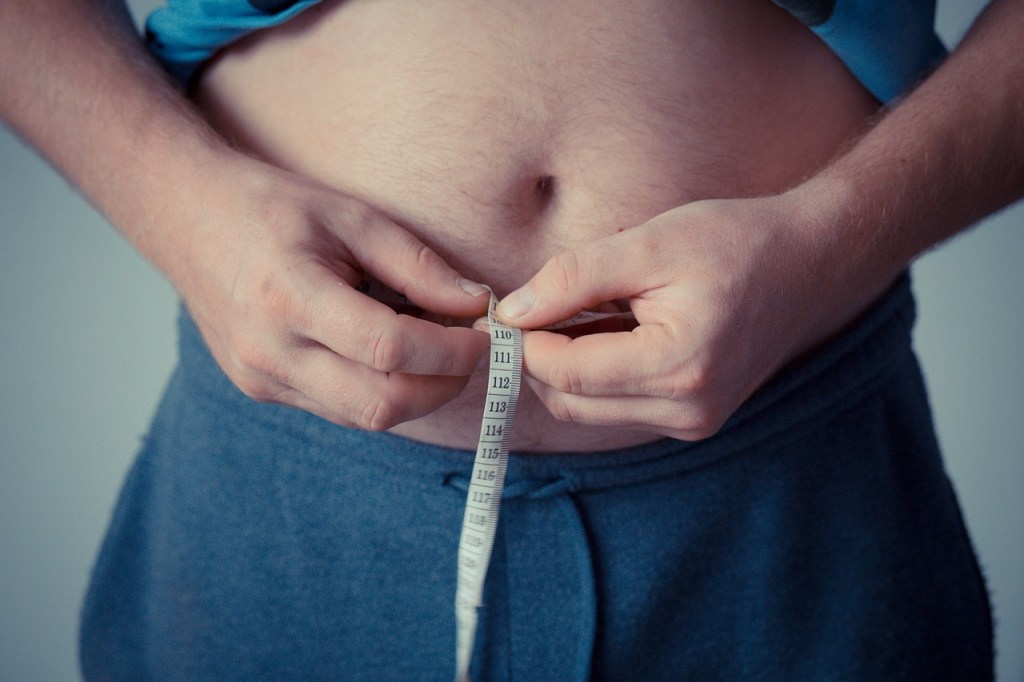
You’ve probably heard that eating too many calories leads to fat gain, but the real story is more insidious. If you keep consuming energy beyond what your body needs—especially without burning it through activity—your subcutaneous fat cells (the ones just under your skin) start filling up like overpacked suitcases. They have a limit, though. Once they’re maxed out, excess calories don’t just vanish; they spill over into dangerous places.
The Bathtub Overflow: Where Excess Fat Ends Up
Picture a bathtub filling from the faucet while the drain is plugged (that’s your sedentary lifestyle). Water runs fine at first, but when the tub overflows, it spills onto the floor, into vents, or down the stairs—places you don’t want it. Your body does the same with fat.
Surplus energy floods into:
- Your blood as excess triglycerides.
- Your liver, fueling non-alcoholic fatty liver disease (NAFLD).
- Muscle tissue, sparking insulin resistance right there.
- Around your heart and pancreas, creating serious risks.
This isn’t harmless padding. Fat sneaks into your abdomen as visceral fat, nestled between organs. Unlike subcutaneous fat, visceral fat pumps out inflammatory signals like TNF-alpha and IL-6, ramping up inflammation near your vital organs. That’s why it’s tied to higher cancer and heart disease risks.
Genetics play a role too—people of Asian descent often have lower subcutaneous storage capacity than Caucasians, which is why some stay “skinny” but metabolically unhealthy (with markers like high blood sugar), while others seem obese yet healthy.
Muscle Invasion: The First Domino Falls
It might take years, but spillover fat first targets your muscles, marbling them like a prime steak. Tiny fat droplets worm between fibers and even invade cells, gunking up insulin’s glucose-transport system. Muscles go “deaf” to insulin signals, especially if you’re inactive—exercise burns energy and prevents this buildup.
This kicks off insulin resistance, starting in muscles (per researcher Shulman) before spreading to the liver and beyond.
What Insulin Resistance Really Means
Insulin resistance sounds technical, but imagine a balloon you’re inflating. It starts easy, but as it swells, you blow harder to add air. Insulin plays that forcing role, shoving glucose into full cells to clear your blood.
At first, your pancreas pumps extra insulin, keeping blood sugar normal. But cells hit capacity—no more “air” fits. Blood tests then show rising fasting glucose: high insulin + high glucose, with cells slamming the gates shut. The pancreas tires out, worsened by fat clogging it. It’s a vicious cycle: spillover fat causes resistance, which traps more fat, locking you into storage-only mode.
Other hormones matter—testosterone, estrogen, cortisol (which swaps safe subQ fat for visceral under stress), and hormone-sensitive lipase—but insulin reigns as the fat-storage boss. It acts like a one-way gate: fat enters cells easily, but lipolysis (fat release) stalls.
Evolution’s Mismatch with Modern Life
Our metabolism evolved for scarcity, not abundance. Ancestors thrived by storing fat during feasts to survive famines, cold, illness, or pregnancy—genes favored energy hoarders. But today’s unlimited calories outpace our slow-to-change genome.
Not all calories are equal. Fructose, from fruits and now everywhere, supercharges the problem. Humans uniquely convert excess fructose straight to fat, driving metabolic chaos in our ultra-modern diets.
The fix? Match intake to needs, move more, and watch those spills before they flood your health.
Source : Outlive: The Science & Art of Longevity by Peter Attia, Bill Gifford
Goodreads : https://www.goodreads.com/book/show/61153739-outlive
Read the Previous Article in the Series :






 Thinking Beyond Science
Leave a comment