Imagine scrolling through social media and spotting your neighbor’s shiny new car. Or hearing about a sagging economy on the news. These are scarcity cues—subtle signals that trigger our ancient “scarcity mindset.” They make us feel like we don’t have enough, fixating us on that one thing we convince ourselves will make us whole. These cues surround us like air: in ads, chats with coworkers, pandemics, or even neighborhood walks.
This reaction isn’t modern—it’s wired into our brains from evolution. For most of human history, survival meant chasing scarce resources like food, information, influence, possessions, and pleasure. Our ancestors who overate, hoarded stuff, and pursued drives to excess passed on their genes. In harsh “worlds of less,” craving more kept us alive.
From Scarcity to Overload
The Industrial Revolution flipped the script. By the 1970s, abundance spread in developed countries—now rippling globally. We drown in salty-sugary food, online purchases cluttering homes, endless internet info, mood-boosting drugs and entertainment, and social media influence.
Yet our three-pound brain still scans for scarcity cues, pushing us to consume as if we’re starving. We overeat, impulse-buy, doomscroll for info, chase likes, and grab fleeting pleasures—ignoring what we already have. Science calls this our scarcity brain, and in abundance, it backfires. It fuels habits sabotaging health, happiness, and potential. Corporations exploit it, especially post-COVID, when tech delivers cravings on demand while tracking our weaknesses.
Enter the scarcity loop: a pattern of rapid, repeating consumption that kills moderation. Even small cues keep us hooked, from pandemics to everyday nudges.
Casinos Crack the Code
Researchers have long accused casinos of sneaky tactics to exploit this. They ditch clocks to blur time, avoid 90-degree angles (which supposedly spark rational thinking and slow gambling), and play slot music in the relaxing key of C to loosen wallets. Media like The Atlantic and New York Times amplified these claims.
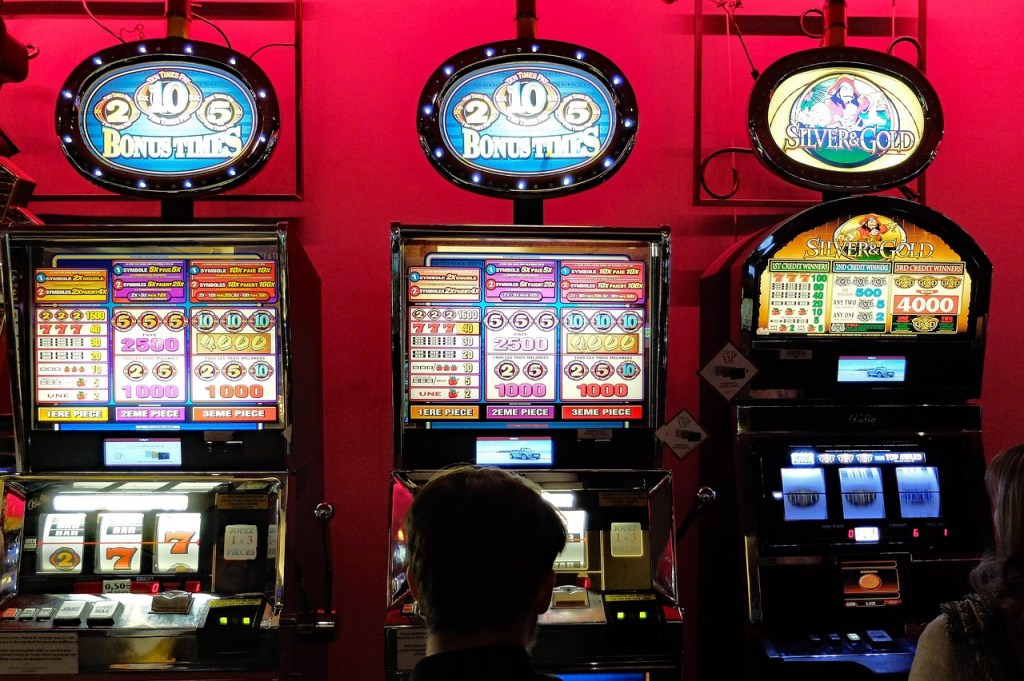
In the 1970s, slots were casino afterthoughts—”toys” for sidelined friends of high-rollers. Table games like cards and dice ruled, earning 10x more. They thrilled with 40-49% win odds per hand, loud and social.
Slots? Boring analog clunkers. Gamblers pulled a lever alone, betting one row of symbols. Wins hit just 3% of plays. Psychology’s “extinction” principle kicked in: unrewarded actions stop fast. (Think turning your car key repeatedly when it won’t start—you quit after a few tries and call a tow.)
The Genius Pivot: Losses Disguised as Wins
Slots evolved into captivating smolders. They added “losses disguised as wins”—near-misses that tease victory, like your finicky car engine cranking briefly before dying. You’d keep turning the key for those flickers of hope, delaying the hood pop or tow truck.
This hooks us longer than dead silence. To outsiders, chasing disguised losses seems irrational. But it’s pure human wiring: intermittent rewards string us along, turning slots from dull to addictive. Players return, sometimes cashing out ahead—fueling the scarcity loop of endless plays.
Escaping the Loop
Our scarcity brain made sense in caves; now it powers corporate profits. Recognizing cues—from ads to slots—helps us pause, enjoy abundance, and break the cycle. Next time a craving hits, ask: Is this survival, or just a cue?
Source : Scarcity Brain: Fix Your Craving Mindset and Rewire Your Habits to Thrive with Enough by Michael Easter
Goodreads : https://www.goodreads.com/book/show/75494984-scarcity-brain






 Thinking Beyond Science
Leave a comment