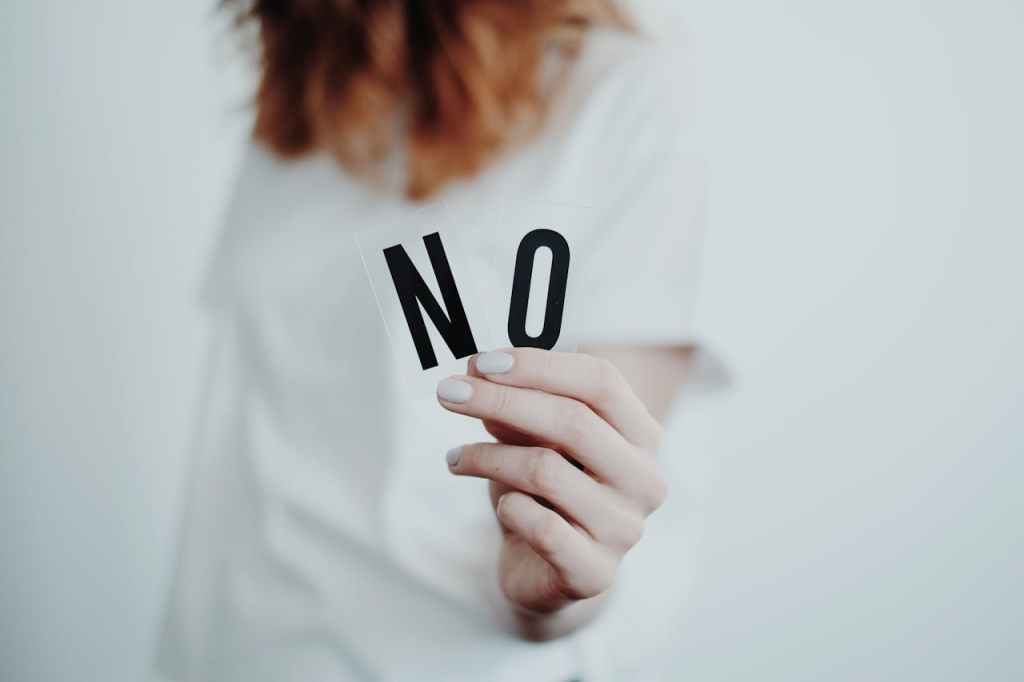
Relationships are an exchange—we give away limited resources like time, energy, and attention, which are tough to defend. If relationships have always topped your priorities and you suddenly need to reprioritize, it can feel like a personal failing or a threat to your social health. But if you’re struggling with social demands, be honest with yourself and others. It’s not about how much you care; it’s about being human with finite resources. Acknowledge you’re stretched thin and get selective about distributing those relationship resources.
Social burnout hits hard for people pleasers who feel guilty saying no, even when they’re empty. It’s common in peacemakers, highly sensitive people, empaths, or those terrified of being disliked. While regular burnout clogs your calendar, social burnout weighs on your spirit.
Our fear of hurting others or being disliked often stems from an overactive imagination and “storytelling.” We predict disasters before they happen: If I skip that gathering, they’ll think I don’t care and stop inviting me. This rehearses stress, making us avoid real conversations out of fear. Take a friend who calls at their convenience, ignores your availability, and gets upset when you’re busy. You know you need to clarify expectations, but you envision defensiveness or hurt, so you dodge it to protect the relationship.
We learn early that accommodating people are liked—and some grow up believing love depends on being a “communal basket of resources.” Over time, prioritizing others drains your daily life and leaves it feeling out of control.
Spotting the Signs of Social Burnout
How do you know if it’s hitting you? Watch for these common indicators:
- Being the “reliable” or “selfless” friend, family member, or colleague.
- Always doing things you wouldn’t if someone hadn’t asked.
- Guilting yourself into yeses before even considering no.
- Justifying yeses with I’d want someone to do this for me, despite rarely asking in return.
- Internal Ugh when invited to things.
- Dreaming of vanishing with zero social obligations.
FOMO fuels this too. Scientists break it into exclusion (feeling ostracized from fun) and compulsion (rushing to join to avoid being left out—like skipping sleep for a concert). Evolution wires us for the “in group” for survival, triggering rejection fears. In our wired world, every scroll amps it up. But remind yourself: you’ve skipped brunches or events before, and nothing bad happened. Don’t let vague FOMO override your need for personal time.
Ideally, know your socializing preferences—one-on-one coffees over big parties? In-person networking over virtual? Family gatherings monthly, not weekly? Tune into those red-flashing internal signals you’ve learned to ignore, then express your availability clearly.
3 Ways to Reduce Social Burnout
Here are practical steps to reclaim your energy:
- Ask: “If this could go my way, how would it?” Imagine ideal relationships—what to prioritize, what to drop. If you grew up putting others first, this takes practice. Get back in the driver’s seat; the right people will give space and celebrate your return.
- Assess your calendar ruthlessly. Highlight energy-drainers: the person, duration, drive, frequency, or topics? Adjust accordingly. Bonus: Highlight what refills you (company, location, activity?) to guide future choices.
- Stop punishing yourself for adaptability. Phrases like “You always have fun once you’re there” guilt you into going. Making the best of it shows resilience, not that you needed to be there.
Reprioritizing isn’t failure—it’s self-preservation. Be selective, honor your limits, and watch your social health thrive.
Source : The Cure for Burnout: How to Find Balance and Reclaim Your Life by Emily Ballesteros
Goodreads : https://www.goodreads.com/book/show/185034564-the-cure-for-burnout
Read the Previous Article in the Series :




 Thinking Beyond Science
Leave a comment