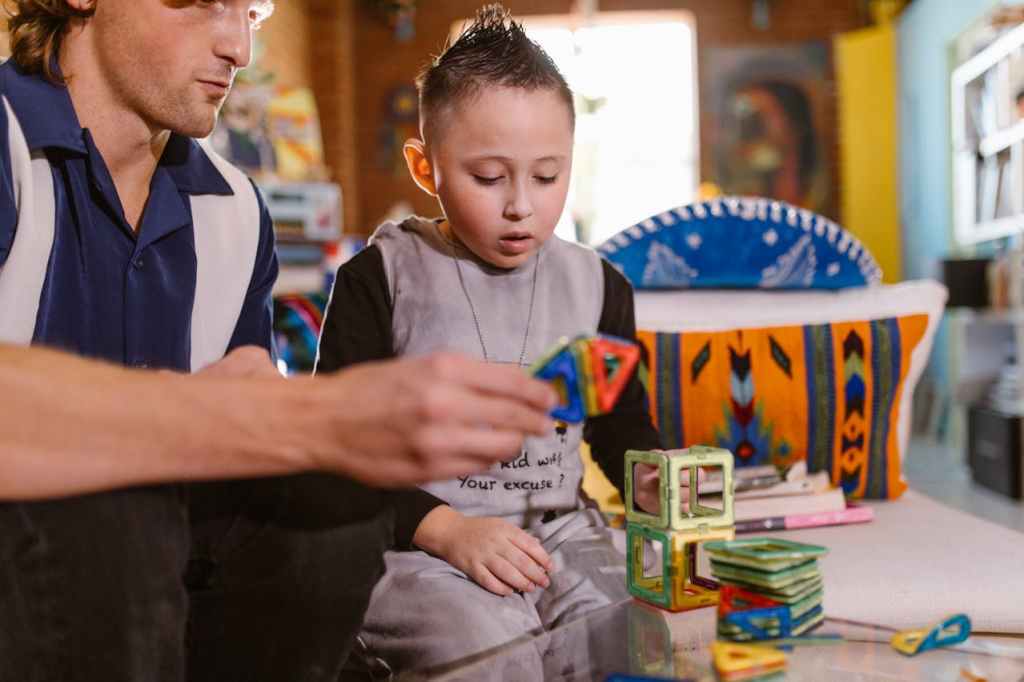
No parent steps into the role fully formed. We’re all shaped by our own experiences, family history, and emotional upbringing. Think about it—every parent had a parent, who had a parent, and so on. Parenting triggers deep emotions, constantly testing our boundaries and draining us physically and emotionally. The good news? By understanding how our past influences our reactions, we can break negative patterns, reframe them, and become the parent we aspire to be. This also builds our emotional literacy, equipping the next generation to navigate their feelings with clarity and confidence.
The Heart-Wrenching Vulnerability of Letting Go
We parents dream of fixing every scraped knee, bumped head, or tearful fight. But as kids grow, challenges like bullying—whether they’re the victim or the aggressor—stir up our own buried childhood memories. One parent described watching their child step onto the playground as “watching their heart walk outside their body.” Our little ones carry our emotions about childhood, parenting, and humanity itself.
This vulnerability peaks when they enter nursery or school, facing social situations we can’t control. Pouring our lives into these beings makes it heartbreaking to release them into the world. A core dilemma emerges: intervene in playground disputes or let them play out? Advice swings from “let them sort it” to full mediation. Stand back for social learning and resilience, or step in to show unwavering support? Every child differs—neurodiverse kids often find interactions painful and anxiety-inducing. There’s no one-size-fits-all; it demands tuning into your child’s unique needs.
How Memories Shape Our Reactions
Our brains filter the world through a complex system. Sensory inputs from eyes and ears hit the prefrontal cortex, then the hippocampus—our memory bank. Meanwhile, the amygdala floods it with adrenaline, joy, or sadness hormones. Memories split into explicit (easy to describe) and implicit (unconscious, hard to articulate). We can’t store everything, so short-term filters decide what’s worth long-term filing.
Emotion supercharges this: births, weddings, or losses stick because intense feelings tag them. The brain efficiently codes these with hormonal data, like a well-organized library. But brains aren’t mature until age 25, making childhood trauma devastating—especially pre-verbal trauma before age three, which glitches the filing system.
MRI scans reveal the toll: traumatized kids show smaller hippocampi, impairing memory; altered prefrontal cortices, weakening impulse control and judgment; and overactive amygdalas from unmanaged adrenaline floods. Adult brains handle threats better, but young ones short-circuit. This adaptation for survival backfires—hypervigilant from home violence, impulsive outbursts or ADHD from neglect.
Polyvagal Theory: Navigating the Body’s Survival States
Enter polyvagal theory, spotlighting the vagus nerve from brainstem to abdomen, regulating heart rate, breathing, and digestion via the parasympathetic system. It frames our states as ventral, sympathetic, or dorsal.
- Ventral state: Ideal—normal heart rate, relaxed breathing, smooth digestion, clear brain signals. This is where connection thrives.
- Sympathetic state (fight/flight/fawn): Danger signals trigger amygdala adrenaline, ramping oxygen to chest and limbs for action. Kids enter it faster and more often—their underdeveloped amygdala and sparse hippocampal data mean less experience to gauge threats rationally. A school struggle or lost pet feels apocalyptic to them, unlike resilient adults.
The fawn response emerges from repeated threats: instead of fighting or fleeing, the child appeases—toxic people-pleasing. They suppress sadness or anger, scan for disapproval, and comply to neutralize danger, turning emotions inward.
Breaking the Cycle for Healthier Futures
Parenting isn’t about perfection; it’s about awareness. Our pasts echo in playground moments, but recognizing memory filters, trauma’s brain impacts, and survival states lets us respond with empathy. We can’t always “fix it,” but we can model emotional navigation, fostering resilience without overprotecting. In doing so, we help kids build ventral-state safety, turning vulnerability into strength.
Source : How to Help Your Child Cope With Anything by Alison McClymont
Goodreads : https://www.goodreads.com/book/show/214055465-how-to-help-your-child-cope-with-anything





 Thinking Beyond Science
Leave a comment