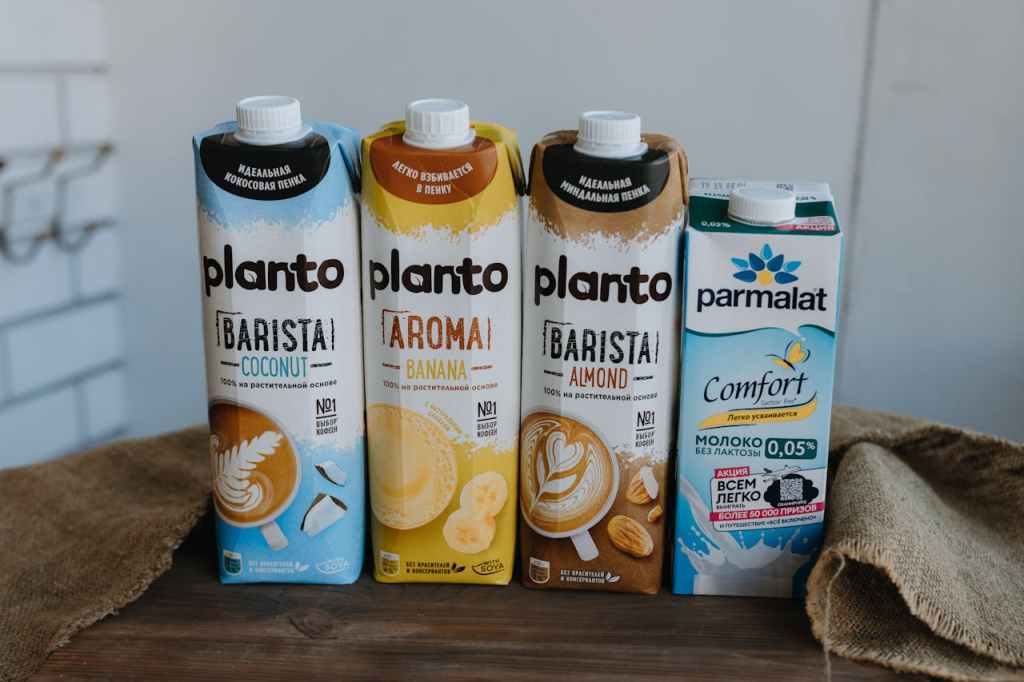
From a distance, the dairy section looks attractive and uncomplicated, stacked with rows of cheery cartons in neat arrays. Step closer to read the labels, and the reality hits: dairy foods are far more complicated than plain milk. Options explode into milk with extra protein, extra calcium, no lactose, no hormones, no antibiotics, organic varieties, ultrapasteurized versions, chocolate-flavored, or low-carb. These come at four fat levels and prices varying more than twofold. Don’t forget the dairy-free and soy “milks” competing right next to them in the same refrigerated cases.
Dairy milk is a complex product, produced by living cows as food for their calves, packed with hundreds of substances ideal for baby animals. This raises two key issues: how its components affect human health, and how production methods impact the cows.
Health Concerns in Every Sip
Cow’s milk shines for its high calcium content, but debate rages over whether high dairy calcium truly protects against osteoporosis or other diseases. It also loads up on fat, saturated fat, and cholesterol—substances best limited. Lactose, its sugar, troubles many over age five who can’t digest it easily. Plus, its proteins spark allergies or sensitivities in some.
The Dark Side of Dairy Production
To squeeze more milk from fewer farms and cows, producers push animals harder. High output risks udder infections, demanding antibiotics. Hormones like genetically engineered bovine somatotropin (bST) boost production, offending some. Farm consolidation packs five times more cows into crowded spaces, concentrating waste, spreading infections, and increasing antibiotic use. These residues may enter milk, potentially affecting health, while crowding raises animal rights alarms. Big companies’ control over the supply adds corporate monopoly fears. Milk’s primal nature fuels strong emotions and critics.
Scientific arguments stay murky. Milk is just one food in diverse diets shaped by genetics, lifestyle, smoking, exercise, and more. Isolating its effects—or those of its nutrients—from other factors proves tough. The dairy industry’s might complicates it further: a united $21 billion powerhouse in all 50 states, wielding campaign cash to secure price supports and marketing payments that defy free-market rules.
The Calcium Myth Unpacked
Dairy delivers most U.S. calcium, vital for dynamic bones where minerals constantly dissolve and reform in “turnover.” To avoid osteoporosis fractures from age-related bone loss, you need enough calcium from childhood onward to offset losses—1,000-1,200 mg daily, per government guidelines. That’s tough from food alone, pushing dairy, fortified items, or supplements.
But is that much dairy calcium essential? Dairy mixes promoters of calcium retention with excreters. True balance hinges on all bone-building nutrients (protein scaffolds plus everything else), activity levels, no smoking, and limited alcohol. Nutrients like magnesium, potassium, vitamin D, and lactose aid retention; protein, phosphorus, and sodium hinder it. Your full diet and lifestyle matter more than calcium intake alone.
Global evidence underscores this: in milk-scarce regions, people thrive on half the recommended calcium with less osteoporosis and fewer fractures. They might eat less junk, meat protein, or sodium, aiding retention. High-dairy nations paradoxically see peak osteoporosis—perhaps tied to inactivity, smoking, soft drinks, or alcohol.
Dairy isn’t a must. Cows wean off milk post-calfhood yet build bones supporting 800+ pounds by grazing grass.
Next time you scan those cartons, look beyond the cheer. Dairy’s allure hides real choices worth questioning.
Source : What to Eat by Marion Nestle
Goodreads : https://www.goodreads.com/book/show/268963.What_to_Eat
Read the Previous Article in the Series :






 Thinking Beyond Science
Leave a comment