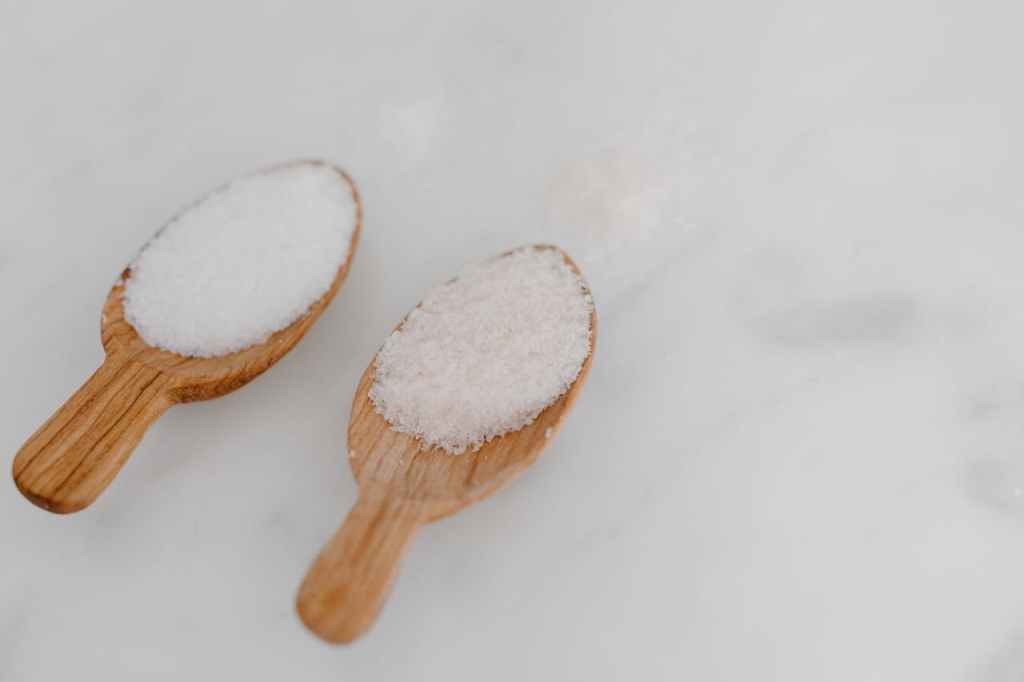
For decades, salt has been public enemy number one in the fight against hypertension and heart disease. Low-salt diets were prescribed far and wide, but emerging evidence flips the script: sugar lurks behind the real culprits, including salt-sensitive hypertension, insulin resistance, and even diabetes-linked complications. Hiding in plain sight, insulin resistance and both type 1 and type 2 diabetes consistently coincide with salt sensitivity and elevated natriuretic hormones like marinobufagenin.
Sugar’s Direct Link to Na-K-ATPase Damage and Hypertension
Marinobufagenin, a natriuretic hormone, spikes in diabetics’ urine and disrupts Na-K-ATPase function—the enzyme critical for sodium balance. This leads to insulin resistance, renal sodium retention, and hypertension. High-sugar diets, not salt, drive diabetes risk, even when calories stay constant. By boosting marinobufagenin, excess sugar impairs kidney function, raises stroke risk, and mimics “salt-sensitive” hypertension.
Cortisol adds another layer. Local cortisol excess, seen in Cushing’s syndrome, chronic renal failure, and essential hypertension, elevates sodium, blood volume, and blood pressure—often mistaken for salt effects. High cortisol also spikes insulin, fueling abdominal obesity, glucose intolerance, hyperglycemia, hyperlipidemia, and atherosclerosis. Salt only worsens this in animals given corticosteroids; lower cortisol, and salt’s hypertensive punch vanishes.
Japan’s Stroke Puzzle: Salt Takes the Fall for Bigger Villains
Japan’s high salt intake (up to 27 grams daily in places like Akita from miso, soy sauce, and pickles) correlates with strokes and hypertension, not heart disease. Yet Akita’s stroke death rate (218.6 per 100,000 for ages 30-59) dwarfs Aomori’s (139.2), despite Aomori’s lower 15.2 grams salt and milder blood pressure (131.4/78.6 mmHg). Blame shifts to unbalanced diets (polished rice gluttony), vitamin C deficiency, life stress, low silicic acid, cadmium in river fish (linked to 17% of strokes), and low saturated fat intake—not salt alone.
Low-Salt Diets Backfire: Cholesterol, Viscosity, and Heart Risks
Salt restriction harms more than it helps. In animals, it accelerates artery hardening and raises cholesterol/triglycerides. Humans with hypertension see spiked LDL, lipoproteins, and inflammation on low salt. The DASH-Sodium trial confirmed: cutting salt boosts triglycerides, LDL, and TC:HDL ratio—even in normal-weight people with healthy blood pressure, it tanks kidney function, HDL, and insulin-sensitizing adiponectin.
Worse, low salt thickens blood (increased viscosity), mimicking obesity’s clot risks, and spikes norepinephrine, accelerating heart rate. Hearts get oxygen during relaxation; faster pumping starves them, hiking heart attack odds and risking cardiac hypertrophy or failure.
Low Salt Mimics Sugar’s Chaos: Insulin Resistance and “Internal Starvation”
Sugar’s reign as Public Health Enemy #1 is no surprise—it wrecks waistlines and health. But low salt triggers a parallel nightmare: insulin resistance, sugar cravings, runaway appetite, and “internal starvation” (hidden cellular semistarvation), driving weight gain despite calories.
Your body fights low salt by ramping up insulin via resistance, impairing glucose uptake and locking away fat/protein stores. Only carbs become viable fuel, craving more refined ones that spike insulin further—perpetuating obesity. Salt-retaining hormones (renin, angiotensin, aldosterone) double fat absorption per gram eaten. Hormones like insulin and leptin turn rogue, hijacking appetite toward junk while blocking fat/protein energy use.
Sugar, not salt, deserves the spotlight. Ditch the low-salt dogma; balance matters.
Source : The Salt Fix: Why the Experts Got It All Wrong–and How Eating More Might Save Your Life by James DiNicolantonio
Goodreads : https://www.goodreads.com/book/show/30555572-the-salt-fix




 Thinking Beyond Science
Leave a comment