Ever wonder why riding a bike feels effortless years after you learned, but you still blank on that one fact from high school history? It’s all about how your brain handles different types of memories. Let’s dive into muscle memory—the unconscious wizard powering your daily skills—and contrast it with the declarative memories you consciously pull up.
The Magic of Muscle Memory: Skills on Autopilot
Creating muscle memory differs wildly from building declarative memories, and retrieving it is even more remarkable. Once ingrained, these procedural memories kick in without a whisper of conscious effort. Picture pedaling a bike: your brain retrieves the neural circuits for balancing, steering, braking, and pedaling, but you’re not micromanaging it. You’re just cruising.
Take learning Schumann’s Fantasie in C Major on piano. Early on, it’s all focused grind—conscious processing, repetition, sheet music glued to your eyes. But after enough practice, it sinks into muscle memory. Fingers hit the keys, and the notes flow unconsciously, no score needed. We tap these memories constantly without noticing: reading this article, driving without replaying teen lessons, swinging a tennis racket mid-serve, or typing an email sans keyboard drills (even if you recall those tedious AAA-SSS-DDD sessions from typing class at 15).
This delegation frees your brain’s “CEO”—the prefrontal cortex—for big-picture tasks like thinking, imagining, or deciding. Walk, chew gum, chat? No problem. I can write this while pondering ideas, not spelling or keystrokes. Our brains hold unlimited capacity for these: tango, knit, throw a spiral, handstand, unicycle, fly a plane, surf, ski, or thumb-text. Repetition rewires your motor cortex, turning “impossible” into “like riding a bike.”
Declarative Memories: The Facts and Stories You Know
Declarative memories store what you know and what happened, salvaged from working memory via attention, then consolidated by the hippocampus into long-term storage.
Semantic memory is your brain’s Wikipedia—timeless facts untethered from personal context. You know the speed of light is about 186,000 miles per second without recalling when you learned it. Boost it with visuals and spatial tricks: Imagine Oprah as an Easter Bunny chomping a carrot on your kitchen counter. Vivid? Memorable? Your brain excels at imagery and location.
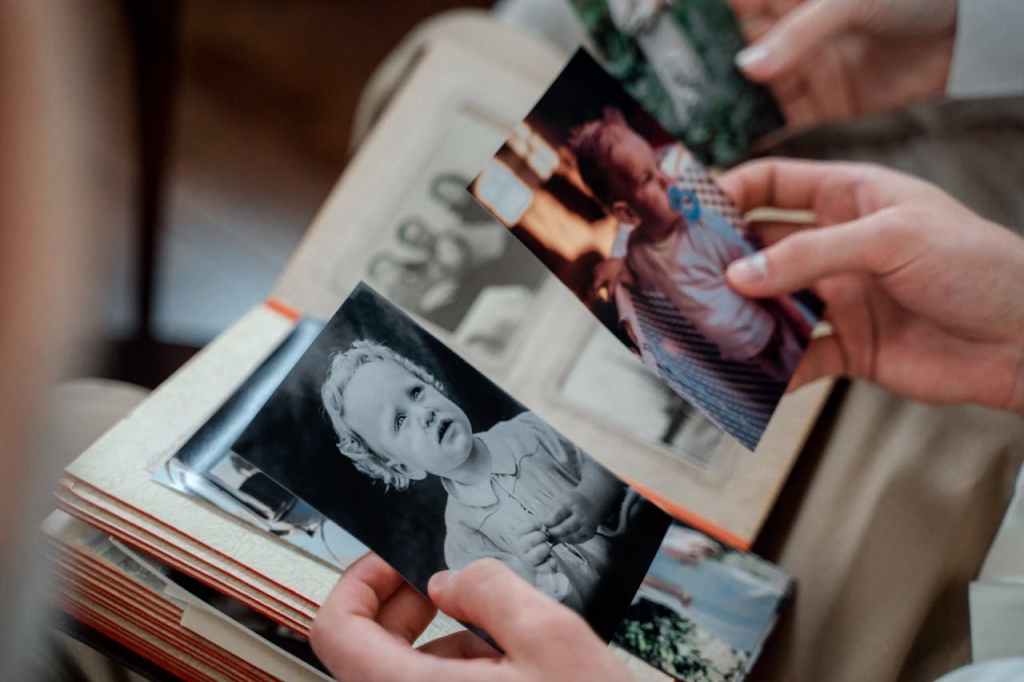
Episodic memories tie facts to when and where—”Remember Budapest?” They’re personal, past-bound. Routine fades fast (what’d you eat April 22, 2019? Blank unless it’s Easter Monday). But emotional, surprising events stick: triumphs, heartbreaks, weddings, losses. Emotion fires the amygdala, signaling the hippocampus: “Consolidate this!” It binds context—who, where, how you felt—like a brass band marching through your neural streets.
You revisit these stories, strengthening them. Neutral Tuesdays? Oblivion. Meaningful moments? Vivid forever.
Why It Matters: Train Your Brain for Anything
Your brain’s built for this duality—automate the how (muscle memory via reps), supercharge the what/when (emotion + imagery). Next time you nail a skill unconsciously or recall a life-defining story, thank the wiring. What’s one muscle memory you’re mastering right now?
Source – Remember: The Science of Memory and the Art of Forgetting by Lisa Genova
Goodreads -https://www.goodreads.com/book/show/54895704-remember
Read the Previous Article in the Series :





 Thinking Beyond Science
Leave a comment