-
 Continue reading →: The Fragile Balance Between Mood and Appetite
Mood significantly influences human experience, impacting energy and thought patterns. Mood disorders often oscillate between depression and mania, affecting relationships and perceptions. Hunger mirrors mood, intertwined with psychological and cultural factors. Both mood and appetite reflect a complex negotiation between biological needs and emotional desires, shaping our identities and experiences.
-
 Continue reading →: Do Humans Have an Innate Urge to Explore?
The text explores the complexity of human exploration, questioning whether it is an innate drive or driven by simpler instincts. It discusses historical motivations, the evolution of behaviorally modern humans, and the distinctiveness of human exploration compared to other animals. Ultimately, it emphasizes the multifaceted nature of exploration influenced by…
-
 Continue reading →: Lessons of Patience and Strength: What the Forest Teaches About Growth
In a forest, young trees aspire to grow tall but face challenges from their elder counterparts, who block sunlight. This slow growth fosters resilience, leading to dense wood that withstands storms. The forest values moderation, patience, and balance, teaching that true growth involves enduring hardships rather than rushing to reach…
-
 Continue reading →: The Social Limits of the Human Mind: Why 150 Matters
Human beings possess a cognitive limit in maintaining meaningful relationships, estimated at 150 connections, as proposed by anthropologist Robin Dunbar. This boundary extends to how we handle information and social behaviors, illustrating the interconnectedness of our social, psychological, and biological dimensions. Ultimately, our limitations shape deep human connections and understanding.
-
 Continue reading →: Understanding Human Development: A Journey from Cells to Features
The development of the human body showcases a remarkable evolutionary journey. Beginning as simple cellular formations, we share traits with ancient animals. Anatomical features like hiccups and gill remnants reflect our aquatic heritage, demonstrating how our bodies adapt and evolve over time while maintaining a delicate internal balance despite environmental…
-
 Continue reading →: Political and Cultural Meaning of Art Reproduction
The transformation of paintings through reproduction alters their original meanings as they become part of the filmmaker’s narrative. This shift highlights the fragmentation of artistic authority and raises questions about who controls meaning. The reproduction process, while influential, can obscure genuine engagement with original artworks, making art a political issue…
-
 Continue reading →: How the Web Became Free, Open, and Social
In 1989, Tim Berners-Lee developed HTML, HTTP, and URLs at CERN, creating the World Wide Web to improve document sharing. This revolutionized publishing, enabling anyone to share content online. Search engines like Google solved the discovery problem, leading to the growth of social media, notably Facebook, which emphasized real connections.
-
 Continue reading →: Ocean Acidification: The Silent Crisis Threatening Coral Reefs
Ocean acidification represents a severe environmental crisis, fundamentally disrupting marine life by altering seawater chemistry and harming essential metabolic functions. It particularly threatens calcifying organisms, like corals, which are vital for ecosystem support. Human activities exacerbate this issue, leading to the potential extinction of coral species and broader ecological collapse.
-
 Continue reading →: Beyond Solitude: How Communities Are Reconnecting in a Changing World
Modern diverse societies are creating new communal spaces for connection, like libraries and Death Cafés, as traditional gatherings decline. Libraries now serve as vital communal hubs offering resources and support. Death Cafés foster open dialogue about mortality. Addressing loneliness requires comprehensive strategies, prioritizing meaningful connections within communities and urban design.
-
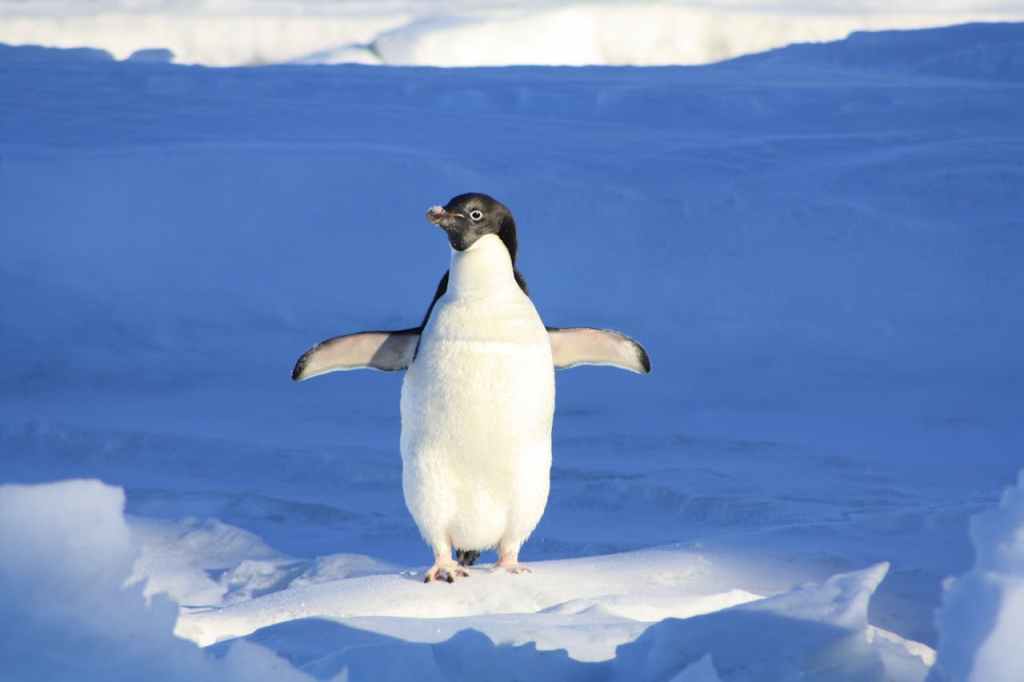 Continue reading →: The Earth’s Changing Climate: A New Age of Ecological Reorganization
Rising air temperatures and increased greenhouse gases, primarily CO₂, are reshaping Earth’s climate, leading to potential mass extinctions and habitat changes for species. Indigenous communities face severe impacts, particularly in the Arctic. Geopolitical tensions rise over Arctic resources as ice melts, transforming maritime dynamics and necessitating adaptation to a changing…
Hello,
I’m Vaibhav

I am a science communicator and avid reader with a focus on Life Sciences. I write for my science blog covering topics like science, psychology, sociology, spirituality, and human experiences. I also share book recommendations on Life Sciences, aiming to inspire others to explore the world of science through literature. My work connects scientific knowledge with the broader themes of life and society.
Let’s connect
Recent posts




Behavior Biology Brain Brain Health Business Consciousness diet Disease DNA Ecology Emotions environment Evolution food Genes Genetics Health Human Anatomy Human Brain life Lifestyle Marketing Medical Medicine Mental Health Mind Mindfulness Nature Neurology Neuropsychology Neuroscience Nutrition Philosophy Psychology Science self-care Self Help Social Social Media Society Sociology Spirituality Stress Technology wellness
 Thinking Beyond Science