-
 Continue reading →: The Body’s Balancing Act: How Our Cells Fight, Fail, and Sometimes Heal
Apoptosis is a vital process for cellular maintenance, eliminating damaged cells. Cancer cells resist this self-destruction, complicating treatment. The immune system, equipped to target abnormal cells, struggles due to cancer’s ability to disguise itself. Discoveries like the CTLA-4 checkpoint have led to immunotherapy breakthroughs, enhancing the immune response, though risks…
-
 Continue reading →: Slow vs Quick Happiness: Finding Balance in a Fast World
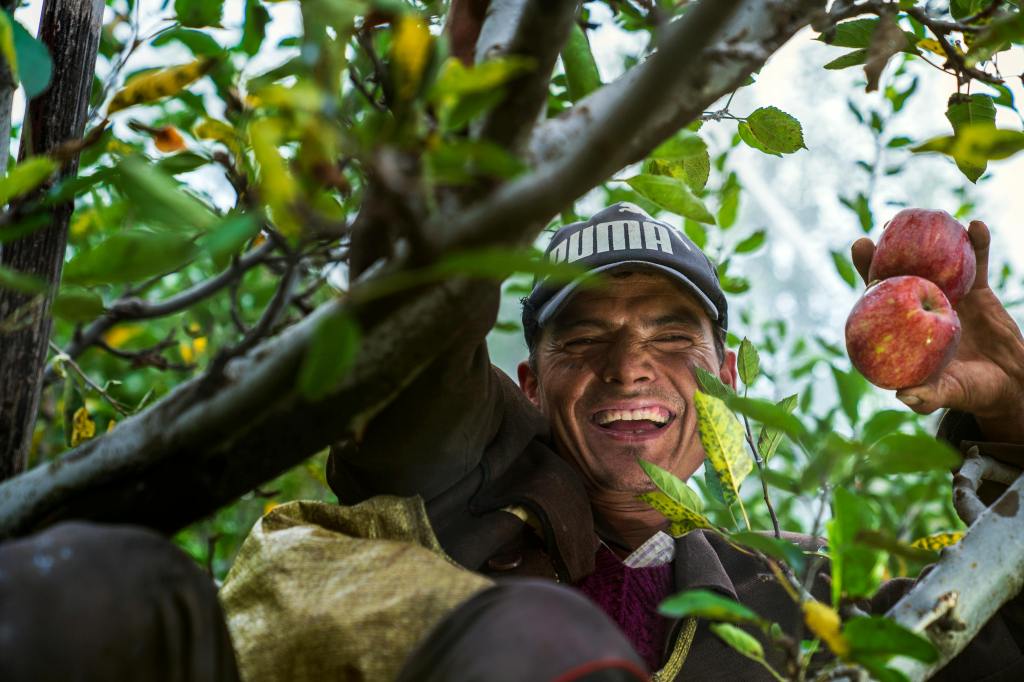
Human lifestyles have drastically changed, with only 7% of our time spent outdoors compared to 85% historically. This shift affects brain chemistry, increasing reliance on instant pleasures like social media and junk food, leading to dopamine spikes and crashes. Rediscovering “slow dopamine” through effortful activities fosters balance and resilience.
-
 Continue reading →: Breaking Down the Barriers of Music Jargon
Classical music criticism often alienates nonmusicians due to jargon, focusing too much on technicalities rather than emotional experiences. While terms like pitch and timbre are crucial, music should primarily be about how it resonates with listeners. The real essence lies in the emotional impact rather than mere theoretical analysis.
-
 Continue reading →: Understanding Psychology: The Science of Mind and Behavior
Psychology is the scientific study of the mind and behavior, blending biology and rigorous methods to explore love, learning, and identity. It encompasses theoretical and applied domains, analyzes the nervous system, and examines brain function. By understanding these connections, psychology aids in treating illnesses and enhancing human experiences.
-
 Continue reading →: Cultivating Happiness: Ancient Wisdom For Modern Life
This content explores how true happiness often emerges in moments of quiet reflection, especially noted during lockdowns. It emphasizes the importance of conscious attention, kindness, and moral virtue over mere pleasure or consumerism. Historical perspectives from ancient wisdom highlight that happiness is rooted in inner goodness and meaningful engagement with…
-
 Continue reading →: Finding Balance: How Past, Present, and Future Shape Our Choices and Happiness
Reflecting on the past can provide important lessons and foster connections, but it may also bring regret and negativity. Conversely, focusing solely on the present encourages engagement but risks impulsivity and neglecting long-term wellbeing. Balancing perspectives of past, present, and future is essential for making informed decisions and achieving overall…
-
 Continue reading →: The Universe Within: How Thoughts Shape Our Lives, Health, and Future
Our thoughts are complex structures influenced by informational, emotional, and physical memories. They evolve from simple seeds into deep-rooted ideas, impacting behavior and even genes. Managing thoughts through self-regulation and mindfulness allows us to shape our mental landscape, improving health and well-being while harnessing the potential of our minds.
-
 Continue reading →: The Living Line of a Sentence
A sentence represents not a final verdict but a living, unfolding line of thought that connects writer and reader. Its vitality emerges from syntax, word choice, and structure, transforming static words into dynamic expression. While judgment sentences close paths, written sentences breathe life, encouraging exploration and creativity through careful arrangement…
-
 Continue reading →: From Cravings to Control: Winning the War on Processed Food Addiction
The ongoing battle for health is influenced by processed foods and media manipulation, contributing to chronic diseases and cognitive decline. These harmful products are engineered to be addictive, exploiting psychological triggers. To reclaim our health, we must choose whole foods, practice mindful eating, and resist negative influences, fostering a healthier…
-
 Continue reading →: The Whole-Brain Approach: Balancing Logic and Emotion in Parenting
The human brain has two hemispheres—left and right—that function distinctly but must work together for optimal development. Understanding their roles aids in parenting, fostering emotional richness and logical clarity. A whole-brain approach integrates experiences, encouraging resilience and creativity in children, ensuring balanced growth and meaningful relationships.
Hello,
I’m Vaibhav

I am a science communicator and avid reader with a focus on Life Sciences. I write for my science blog covering topics like science, psychology, sociology, spirituality, and human experiences. I also share book recommendations on Life Sciences, aiming to inspire others to explore the world of science through literature. My work connects scientific knowledge with the broader themes of life and society.
Let’s connect
Recent posts






Behavior Biology Brain Brain Health Business Consciousness diet Disease DNA Ecology Emotions environment Evolution food Genes Genetics Health Human Anatomy Human Brain life Lifestyle Marketing Medical Medicine Mental Health Mind Mindfulness Nature Neurology Neuropsychology Neuroscience Nutrition Philosophy Psychology Science self-care Self Help Social Social Media Society Sociology Spirituality Stress Technology wellness
 Thinking Beyond Science