-
 Continue reading →: The Link Between Stress and Cancer: Insights from Psychoneuroimmunology
The content discusses the impact of ALS and chronic stress on physical and emotional health. It highlights how emotional deprivation in childhood affects coping mechanisms and susceptibility to diseases like cancer. The interconnectedness of hormones, emotions, and the immune system is emphasized, showcasing the importance of understanding this relationship in…
-
 Continue reading →: Exploring Different Types of Biases in Psychology
The content discusses various psychological biases that influence perceptions and decision-making in social interactions, particularly in sales. It elaborates on biases like physical attraction, similarity, warmth, touch, and various cognitive biases related to decision-making, such as action, consistency, rationale, anchor, bandwagon, single option aversion, and scarcity biases, highlighting their impact…
-
 Continue reading →: The Transmission Routes of Infectious Diseases Explained
Epidemics are quantified using prevalence (total cases in a population) and incidence (new cases). Control involves isolation, quarantine, contact tracing, and hygiene. Mass vaccination aims for herd immunity to halt spread. Infectious diseases transmit through direct contact, air, water, and vectors, with airborne diseases being highly contagious.
-
 Continue reading →: Out of Sight, Out of Mind: Organizing Your Digital Space
The text discusses the challenges of managing digital clutter compared to physical items, highlighting that while digital storage is virtually limitless, it can drain mental energy. It emphasizes the importance of using archives for safekeeping unneeded files, freeing attention, and suggests that improving search technologies will reduce the need for…
-
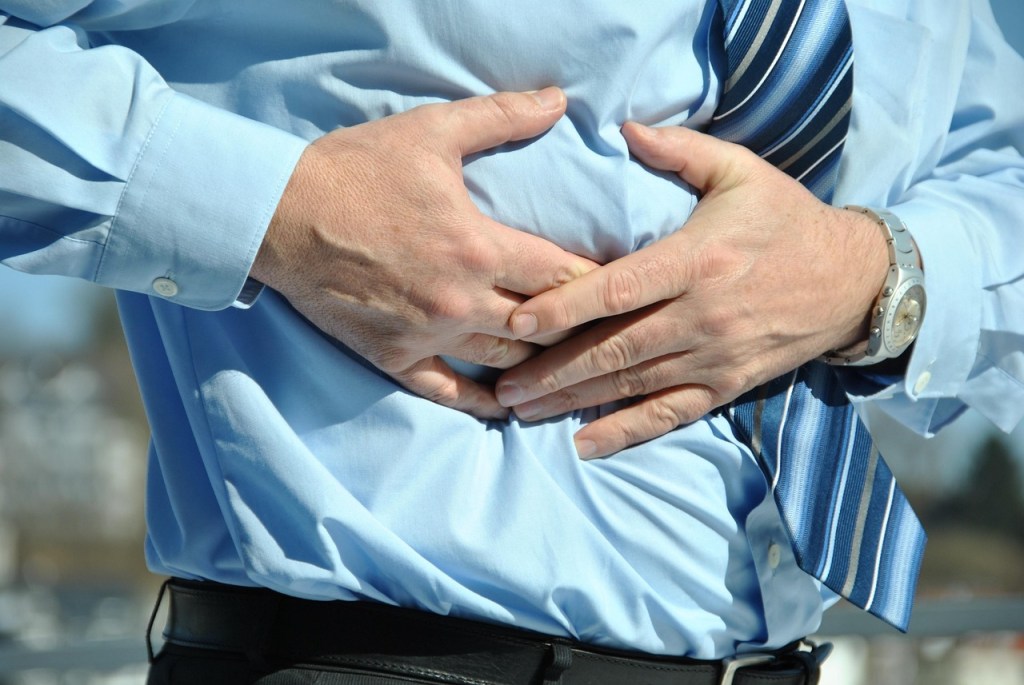 Continue reading →: How Stomach Structure Impacts Digestion
Before age seven, tonsils play a crucial role in developing a healthy immune system, which influences heart health and weight management. Tonsillectomies in young children can increase obesity risk. Additionally, the esophagus’s lateral connection to the stomach minimizes pressure, aiding digestion, while a misperception of stomach pain can arise from…
-
 Continue reading →: Healing Through the Gut: Addressing Shame and Health
Gut feelings serve as vital intuitive guides, shaping our emotional and physical health through a complex brain-gut connection. While they can inspire healing, they may also harbor negative emotions, contributing to various health issues. Mental health intertwines intimately with physical health, emphasizing the necessity of addressing both for overall well-being.
-
 Continue reading →: The Challenges of Food Production in a Growing Population
Human activity is causing significant environmental damage, with the focus often wrongly placed on population control in developing countries. In reality, higher per capita resource consumption in developed nations contributes more to ecological decline. Addressing food logistics and waste, reducing meat consumption, and changing attitudes toward food are essential for…
-
 Continue reading →: Activating Your Brain: The Role of Exercise and Growth
The body and brain are interconnected, where physical movement stimulates learning and memory. Engaging in activities like yoga and dance enhances brain plasticity. Stress, a response to challenges, influences both mental and physical health. Exercise serves as beneficial stress, fostering resilience and adaptability, crucial for brain and body health.
-
 Continue reading →: The Role of Hormones in Body Regulation
Hormones are produced by specialized cells in the endocrine system and other organs, influencing numerous bodily functions. They are secreted via hormonal, humoral, or neural stimuli and can act as primary or secondary messengers. Transport proteins aid their movement through the bloodstream, while evolution has provided direct transport routes for…
-
 Continue reading →: The Importance of Discussing Death
The conversation around dying has become taboo, leading to euphemistic language that obscures reality. Open discussions about death can alleviate fear and foster support for the dying and their families. Recognizing the nature of dying and addressing it directly can restore wisdom and connection during a time of loss, enriching…
Hello,
I’m Vaibhav

I am a science communicator and avid reader with a focus on Life Sciences. I write for my science blog covering topics like science, psychology, sociology, spirituality, and human experiences. I also share book recommendations on Life Sciences, aiming to inspire others to explore the world of science through literature. My work connects scientific knowledge with the broader themes of life and society.
Let’s connect
Recent posts





Behavior Biology Brain Brain Health Business Consciousness diet Disease DNA Ecology Emotions environment Evolution food Genes Genetics Health Human Anatomy Human Brain life Lifestyle Marketing Medical Medicine Mental Health Mind Mindfulness Nature Neurology Neuropsychology Neuroscience Nutrition Philosophy Psychology Science self-care Self Help Social Social Media Society Sociology Spirituality Stress Technology wellness
 Thinking Beyond Science