-
 Continue reading →: The Role of Neurotransmitters in Consumer Behavior
The brain seeks pleasure and security through neurotransmitters linked to environmental stimuli. Brands serve as shortcuts that facilitate decision-making and conserve cognitive energy. Successful brands penetrate the unconscious mind, becoming automatic choices. Habits formed through repeated behavior heighten comfort and confidence, making brand loyalty essential for consumer satisfaction and brand…
-
 Continue reading →: Unleashing Human Creativity: The Power of Imagination
Humans engage in imaginative speculation about their lives, illustrating a deep-seated drive for creativity that shapes societies and cultures. This creative process relies on connecting experiences, with innovation occurring through bending, breaking, and blending ideas. Our ever-evolving language reflects these shifts, enabling the continuous transmission of new concepts and ideas.
-
 Continue reading →: The Role of Dopamine in Love and Addiction
The hippocampus and spinal cord exhibit plasticity, enabling recovery after injuries. Conditions like drug use, mania, and love lower the threshold for pleasure center activation, creating euphoric states. This plastic change fosters optimism but can lead to withdrawal symptoms when separated. Novelty in relationships can stimulate pleasure, emphasizing the importance…
-
 Continue reading →: Understanding Memory: How We Recall Information
Memory isn’t a bank; it’s a network of neural activity linked to our experiences. Recalling a memory involves reactivating the interconnected neurons associated with that event. Attention is key to forming lasting memories, as we only remember what we focus on, while unimportant details often fade away.
-
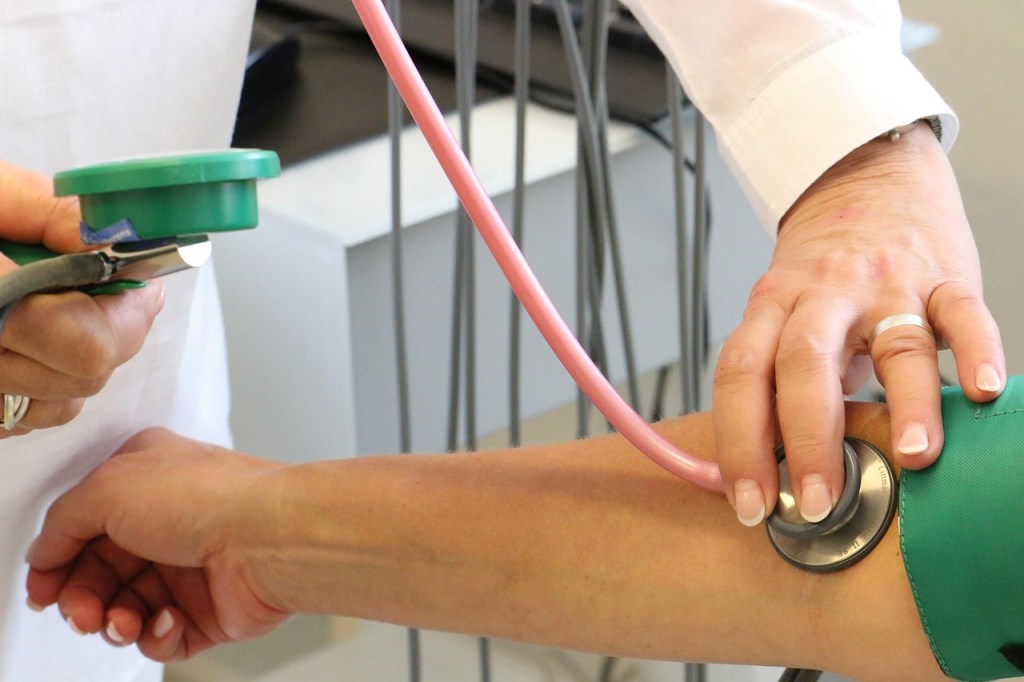 Continue reading →: Understanding Metabolic Health: Key Factors and Risks
Metabolic health reflects the body’s balance between fat storage and burning, measured through markers like glucose levels and waist circumference. Poor metabolic health increases risks for diseases such as type 2 diabetes, heart disease, and cancer. Insulin resistance and chronic inflammation are key contributors. Lifestyle changes can significantly improve metabolic…
-
 Continue reading →: The Power of Mindfulness: Transforming Negative Emotions
The pursuit of bliss often leads to suffering, as we tend to cling to negative emotions and fail to recognize thoughts as transient. Mindfulness can alleviate this by enhancing mental well-being and regulating emotions. Psychedelics, affecting brain chemistry, offer insights into consciousness but are not addictive. Understanding mental states is…
-
 Continue reading →: The Role of Kidneys in Salt Balance Across Species
The regulation of salt in our bodies has remained largely consistent since the origin of life, highlighting its evolutionary importance. This adaptation enables vertebrates, including humans, to survive various environments by balancing sodium and water. Kidneys evolved to manage salt levels, reflecting our marine ancestry and informing our dietary needs…
-
 Continue reading →: The Role of Biological Value in Consciousness Evolution
The brain constructs consciousness through interconnected circuits that create representational patterns of external objects and internal processes. Consciousness emerges from complex interactions of various brain regions, allowing for an autobiographical self and sociocultural homeostasis. This interplay shapes human societies, culture, and well-being, highlighting the evolution of complex minds.
-
 Continue reading →: How Genes Influence Aging and Reproductive Success
The majority of animal reproduction occurs at younger ages due to early mortality, diminishing the impact of traits beneficial at older ages. Huntington’s disease exemplifies how harmful mutations can persist in populations if they develop after reproductive years, highlighting the role of multi-functional genes and antagonistic pleiotropy in evolution and…
-
 Continue reading →: The Role of Fiber and Sugar in Our Diets
The text explains the differences between glucose, sucrose, fructose, and fiber, highlighting their roles in digestion and energy supply. While glucose fuels body systems, fructose is less essential. Fiber, although undigested, is vital for digestion. The modern diet often lacks fiber due to processed foods, which favor sugar and starch…
Hello,
I’m Vaibhav

I am a science communicator and avid reader with a focus on Life Sciences. I write for my science blog covering topics like science, psychology, sociology, spirituality, and human experiences. I also share book recommendations on Life Sciences, aiming to inspire others to explore the world of science through literature. My work connects scientific knowledge with the broader themes of life and society.
Let’s connect
Recent posts






Behavior Biology Brain Brain Health Business Consciousness diet Disease DNA Ecology Emotions environment Evolution food Genes Genetics Health Human Anatomy Human Brain life Lifestyle Marketing Medical Medicine Mental Health Mind Mindfulness Nature Neurology Neuropsychology Neuroscience Nutrition Philosophy Psychology Science self-care Self Help Social Social Media Society Sociology Spirituality Stress Technology wellness
 Thinking Beyond Science