-
 Continue reading →: Understanding Glucose: The Body’s Energy Source
Marketing significantly influences our dietary choices, promoting processed foods and sugar under misleading narratives. Scientific evidence reveals these foods are harmful, impacting energy levels, mood, and overall health. Glucose is crucial for bodily functions, and plants utilize it to produce various forms, including starch and sucrose, essential for energy storage…
-
 Continue reading →: Understanding Cancer: The Evolution of Cells
Living healthily involves recognizing habits that impact well-being, as demonstrated by the paradox of cancer’s origin in our own cells. Unlike infectious diseases, cancer arises from cellular changes and adaptability, leading to uncontrolled growth and resistance. Ultimately, it symbolizes a complex interaction between genetic evolution and environmental factors rather than…
-
 Continue reading →: The Cycle of Closeness: Navigating Relationship Stages
Relationship changes are natural and can be navigated by understanding intimacy’s evolving dimensions. As individuals grow, they alternate between needing closeness and seeking autonomy. Acceptance of these patterns can foster deeper connections and a more genuine commitment to one another, ultimately enriching the relationship despite diminishing passion.
-
 Continue reading →: Exploring Belief: Theism, Deism, and Modern Perspectives
The content contrasts the beliefs of theists, deists, and pantheists regarding the existence and nature of God. Theists perceive a God actively involved in human affairs, while deists view God as a non-intervening creator. Pantheists equate God with Nature. Additionally, the text discusses the limitations of proving or disproving God’s…
-
 Continue reading →: Understanding the Complex Web of Life on Earth
The exploration of biodiversity began with early human ancestors in Africa, driven by basic needs. As they migrated, they adapted to various environments, leading to species evolution. Knowledge of plants and animals grew, but the lack of standardized naming created confusion. Estimates suggest millions of species exist, highlighting the extensive…
-
 Continue reading →: Understanding Musical Imagery and Its Neurological Effects
Listening to music engages not only our emotions but also our physicality, with involuntary responses indicating deep neurological connections. Music therapy shows potential benefits for patients with various neurological conditions, highlighting the unique resilience of musical memory. Our brains respond to music differently than to other sensory perceptions, preserving musical…
-
 Continue reading →: The Power of Non-Thinking for Personal Fulfillment
The content explores how thoughts affect emotions, emphasizing that negative feelings arise from excessive thinking rather than specific thoughts. It argues for the importance of reducing overthinking to achieve fulfillment and creativity. By practicing presence and awareness, individuals can experience a state of non-thinking, leading to unconditional creation and a…
-
 Continue reading →: Understanding Change: Universal Truths for a Better Future
Change captivates us, but enduring human behaviors offer profound lessons about the future. While life’s trajectories are unpredictable, universal truths emerge that aren’t influenced by luck. Observing the patterns of birth and death aids understanding, as does the importance of communication during life’s challenging moments. Bereavement involves complicated emotions requiring…
-
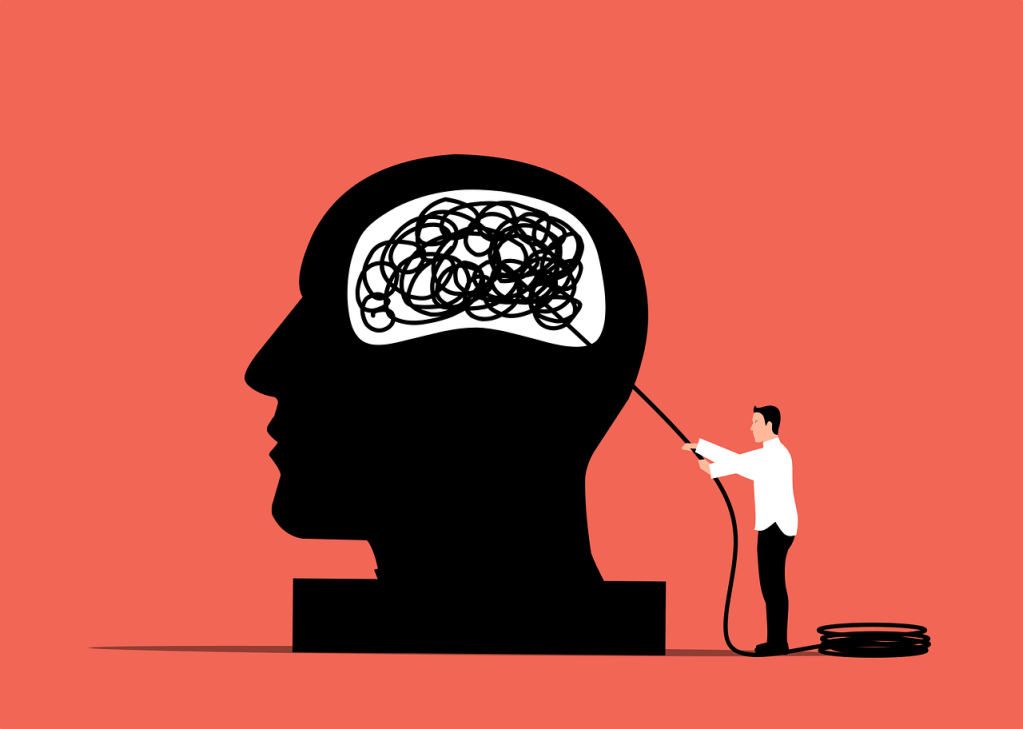 Continue reading →: The Dichotomy of Conscious and Unconscious Minds
The mind consists of conscious and unconscious layers, shaped by conditioning and traditions that influence our thoughts and perceptions. To enact meaningful change, one must understand this conditioning and self-discovery within relationships. True happiness transcends the self and is fleeting, while sorrow remains a constant human companion. Intellect differs from…
-
 Continue reading →: The Brain’s Role in Shaping Our Identity
The concept of self is often mistaken as a singular entity, tied to our physical bodies and shaped by our brains. This “self illusion” is multifaceted, comprising different roles influenced by external situations. It evolves throughout life, reflecting societal interactions, beliefs, and experiences, emphasizing that identity emerges from relationships rather…
Hello,
I’m Vaibhav

I am a science communicator and avid reader with a focus on Life Sciences. I write for my science blog covering topics like science, psychology, sociology, spirituality, and human experiences. I also share book recommendations on Life Sciences, aiming to inspire others to explore the world of science through literature. My work connects scientific knowledge with the broader themes of life and society.
Let’s connect
Recent posts





Behavior Biology Brain Brain Health Business Consciousness diet Disease DNA Ecology Emotions environment Evolution food Genes Genetics Health Human Anatomy Human Brain life Lifestyle Marketing Medical Medicine Mental Health Mind Mindfulness Nature Neurology Neuropsychology Neuroscience Nutrition Philosophy Psychology Science self-care Self Help Social Social Media Society Sociology Spirituality Stress Technology wellness
 Thinking Beyond Science