-
 Continue reading →: The Crucial Role of Insects in Our Ecosystem
Insects are vital to Earth’s ecosystem, aiding in pollination, decomposition, and food chains. Their decline risks catastrophic consequences for humanity and ecological balance. With a significant loss of invertebrate species, the intricate interdependencies of life, including soil health and food production, are threatened. Insects’ roles are essential yet often overlooked.
-
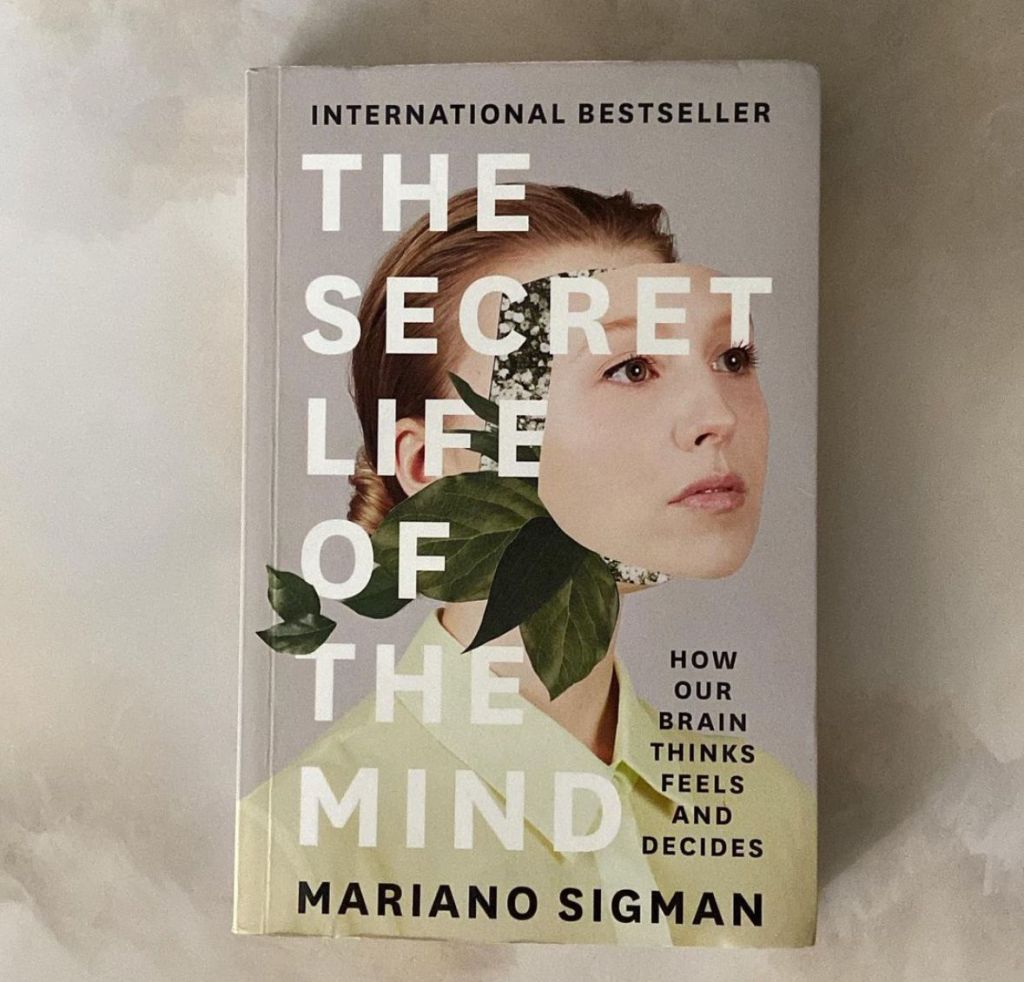 Continue reading →: The Secret Life of the Mind: How Your Brain Thinks, Feels, and Decides by Mariano Sigman
In “The Secret Life of the Mind,” neuroscientist Mariano Sigman explores the intricacies of the human mind, revealing insights from infancy to adulthood about mathematics, language, and morality. The book offers an accessible overview of neuroscience, illuminating how education shapes our experiences and identities, making it a captivating read for…
-
 Continue reading →: What If? Serious Scientific Answers to Absurd Hypothetical Questions by Randall Munroe
Randall Munroe’s “What If?” explores bizarre scientific questions posed by xkcd fans, utilizing simulations and research to provide humorous yet insightful answers. In its 10th anniversary edition, the book includes new illustrations and annotations, making scientific concepts accessible and enjoyable for a broad audience while showcasing Munroe’s wit.
-
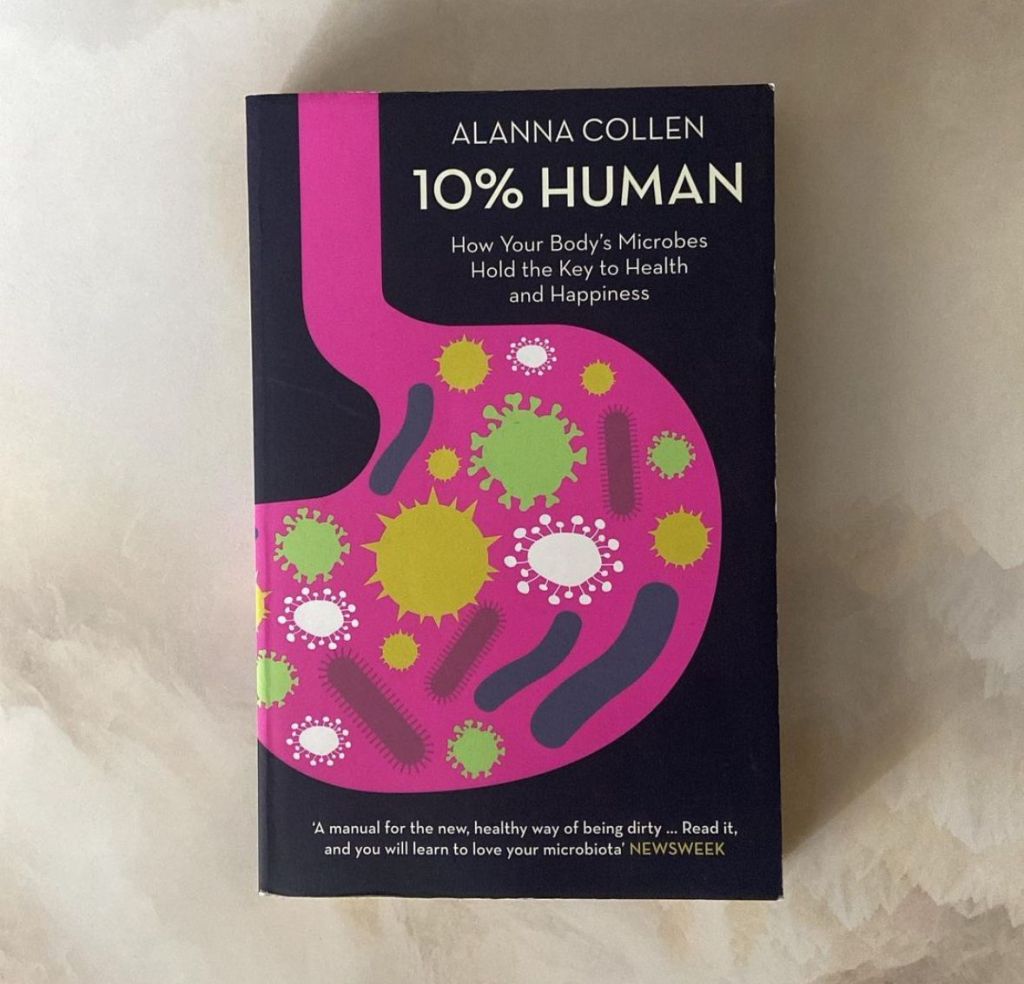 Continue reading →: 10% Human: How Your Body’s Microbes Hold the Key to Health and Happiness by Alanna Collen
The book, published in 2015 by Alanna Collen, reveals that humans are comprised of only 10% human cells, with the rest being microbes. These microbes significantly influence various aspects of health, such as weight, immunity, and mental well-being. Collen argues that modern diseases often stem from our neglect of these…
-
 Continue reading →: Transform Negative Thoughts for a Happier Life
Life’s pursuit of peace, love, and happiness often results in emotional fluctuations. Our thoughts shape our feelings and reactions; thus, mastering our thoughts enhances emotional well-being. By consciously choosing responses over automated reactions, we break negative cycles. Self-reflection and attitude, formed by our thoughts and feelings, play essential roles in…
-
 Continue reading →: Understanding Conscious vs. Unconscious Behavior
Humans often believe their behaviors are consciously motivated, but many actions are automatic and unconscious, stemming from the brain’s complex physiology. This intertwining of conscious and unconscious processes influences our decisions and behaviors significantly. Even though we may feel in control, much of our mental activity is dominated by the…
-
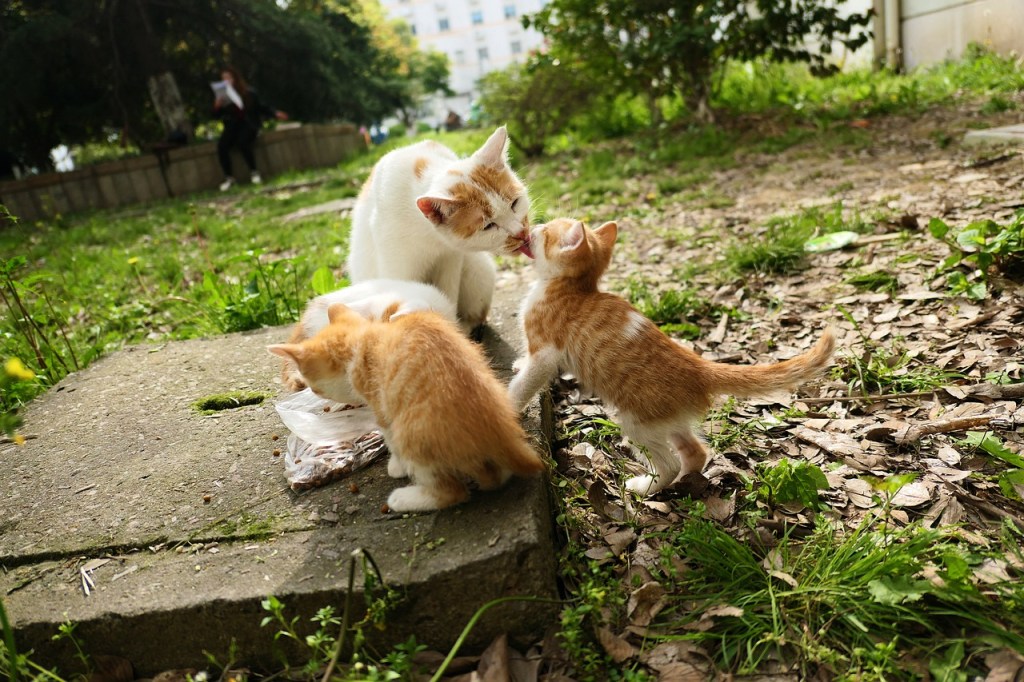 Continue reading →: The Science of Maternal Bonding in Animals and Humans
The text explores the hormonal and emotional bonds formed between mothers and their offspring, highlighting oxytocin’s role in both humans and animals, such as goats. It discusses how maternal love can develop instinctively or through conscious activation, particularly in adoption scenarios. The text also addresses the emotional responses shared across…
-
 Continue reading →: The Intricacies of Human Birth: A Natural Phenomenon
Polio primarily affects children under five, causing paralysis by attacking specific nerve cells, particularly in the spinal cord. The delivery process in humans involves significant physiological changes and risks, leading to potential complications during childbirth. These risks include hemorrhage and obstruction, making childbirth historically perilous for mothers and infants.
-
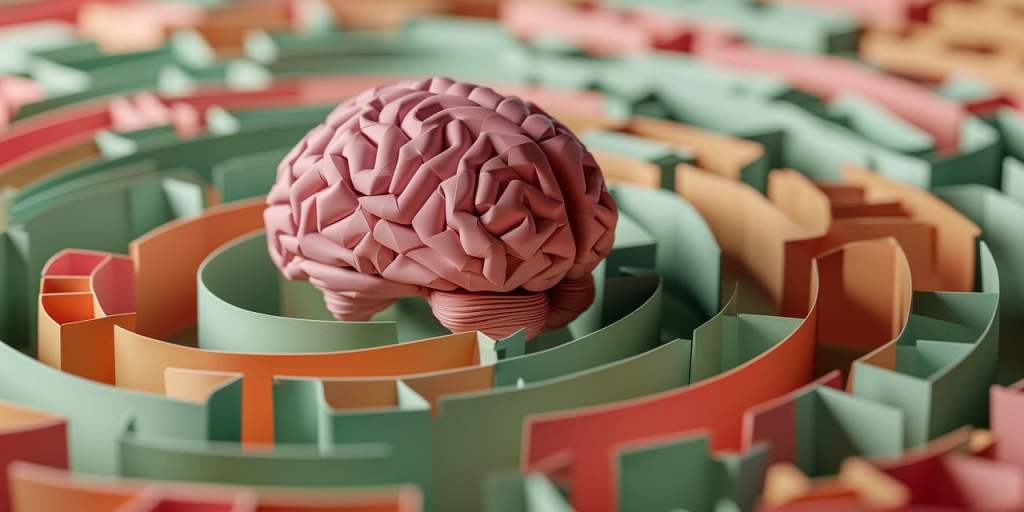 Continue reading →: The Power and Pitfalls of Rapid Cognition
The adaptive unconscious, a key aspect of modern psychology, facilitates rapid decision-making by processing information quickly, contrasting Freud’s murky unconscious. While this allows for effective snap judgments, it can also lead to errors and biases, such as prejudice. Understanding these mechanisms reveals the dual nature of instinctive responses in human…
-
 Continue reading →: Phantoms in the Brain: Probing the Mysteries of the Human Mind by V.S. Ramachandran, Sandra Blakeslee
Neuroscientist V.S. Ramachandran explores complex questions about human nature in “Phantoms in the Brain,” using simple experiments to investigate bizarre neurological disorders. His findings offer insights into consciousness, body image, and the nature of belief. Ramachandran’s work re-humanizes neuroscience, emphasizing the personal dimensions of understanding the human mind.
Hello,
I’m Vaibhav

I am a science communicator and avid reader with a focus on Life Sciences. I write for my science blog covering topics like science, psychology, sociology, spirituality, and human experiences. I also share book recommendations on Life Sciences, aiming to inspire others to explore the world of science through literature. My work connects scientific knowledge with the broader themes of life and society.
Let’s connect
Recent posts




Behavior Biology Brain Brain Health Business Consciousness diet Disease DNA Ecology Emotions environment Evolution food Genes Genetics Health Human Anatomy Human Brain life Lifestyle Marketing Medical Medicine Mental Health Mind Mindfulness Nature Neurology Neuropsychology Neuroscience Nutrition Philosophy Psychology Science self-care Self Help Social Social Media Society Sociology Spirituality Stress Technology wellness
 Thinking Beyond Science