-
 Continue reading →: Socrates and Descartes on Virtue: A Rationalistic Approach
Socrates and Plato advocate for a rationalistic moral philosophy, emphasizing that knowledge equates to virtue. Plato critiques democracy, fearing the masses’ ignorance could lead to disaster. He promotes governance by the knowledgeable elite. Meanwhile, Descartes values leisure for intellectual growth and avoids societal commitments to focus on advancing knowledge.
-
 Continue reading →: The Upside of Irrationality by Dan Ariely
First published January 1, 2010 Behavioral economist and New York Times bestselling author of Predictably Irrational Dan Ariely returns to offer a much-needed take on the irrational decisions that influence our dating lives, our workplace experiences, and our general behaviour, up close and personal. In The Upside of Irrationality, behavioral…
-
 Continue reading →: Gene Machine: The Race to Decipher the Secrets of the Ribosome by Venki Ramakrishnan
“Gene Machine” chronicles the pivotal race to decipher the ribosome’s structure, revealing its critical role in translating DNA into life-sustaining proteins. Ramakrishnan’s personal journey from novice to competitor highlights the human element in scientific discovery, while the findings promise advancements in understanding life and combating severe diseases.
-
 Continue reading →: Finding Inner Peace Amid Life’s Challenges
The text emphasizes that true peace and happiness arise from our responses to challenges rather than avoiding them. It stresses the importance of gratitude, listening, and self-reflection to enhance well-being and relationships. The author encourages inner exploration and recognizing external sources of goodness to foster a fulfilling life amid modern…
-
 Continue reading →: Freakonomics: A Rogue Economist Explores the Hidden Side of Everything by Steven D. Levitt, Stephen J. Dubner
“Freakonomics,” published in 2005, explores the intersection of data, human behavior, and psychology, presenting counter-intuitive insights that challenge common beliefs. Steven Levitt’s methods emphasize critical thinking and understanding motivations behind actions, contrasting morality with economic realities. The book encourages readers to reassess their perceptions and question conventional wisdom.
-
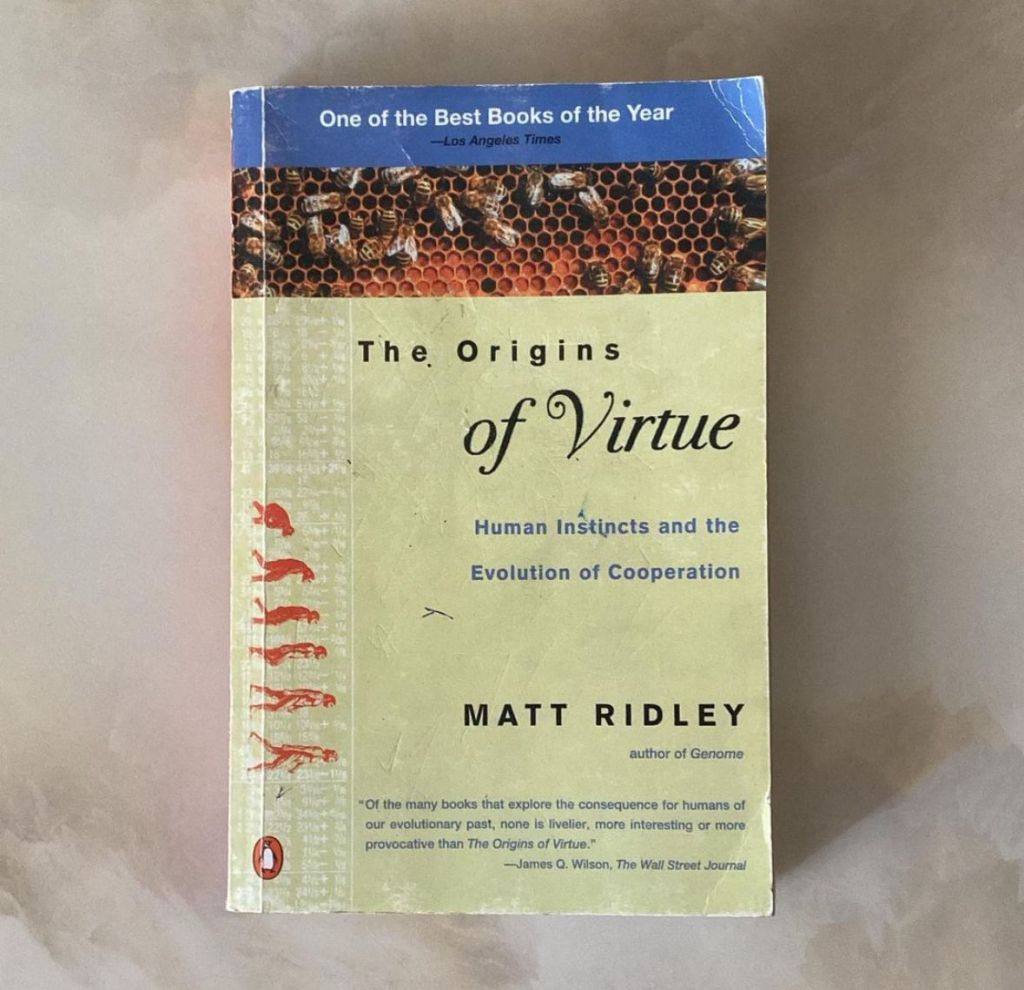 Continue reading →: The Origins of Virtue: Human Instincts and the Evolution of Cooperation by Matt Ridley
The Origins of Virtue, published in 1997, explores the evolution of human cooperation alongside self-interest. Zoologist Matt Ridley synthesizes findings from various fields, arguing our cooperative instincts may stem from natural selfish behavior. This work challenges assumptions about our social interactions, providing insights into human relationships and societal structures.
-
 Continue reading →: Amphibians: Survivors of Earth’s Extinction Events
The text discusses significant mass extinction events throughout Earth’s history, including the late Ordovician, end of the Permian, and Cretaceous periods. It highlights the resilience of amphibians, their diverse reproduction methods, and their current endangered status. The extinction rates of various animal groups and fossil discoveries are also mentioned, revealing…
-
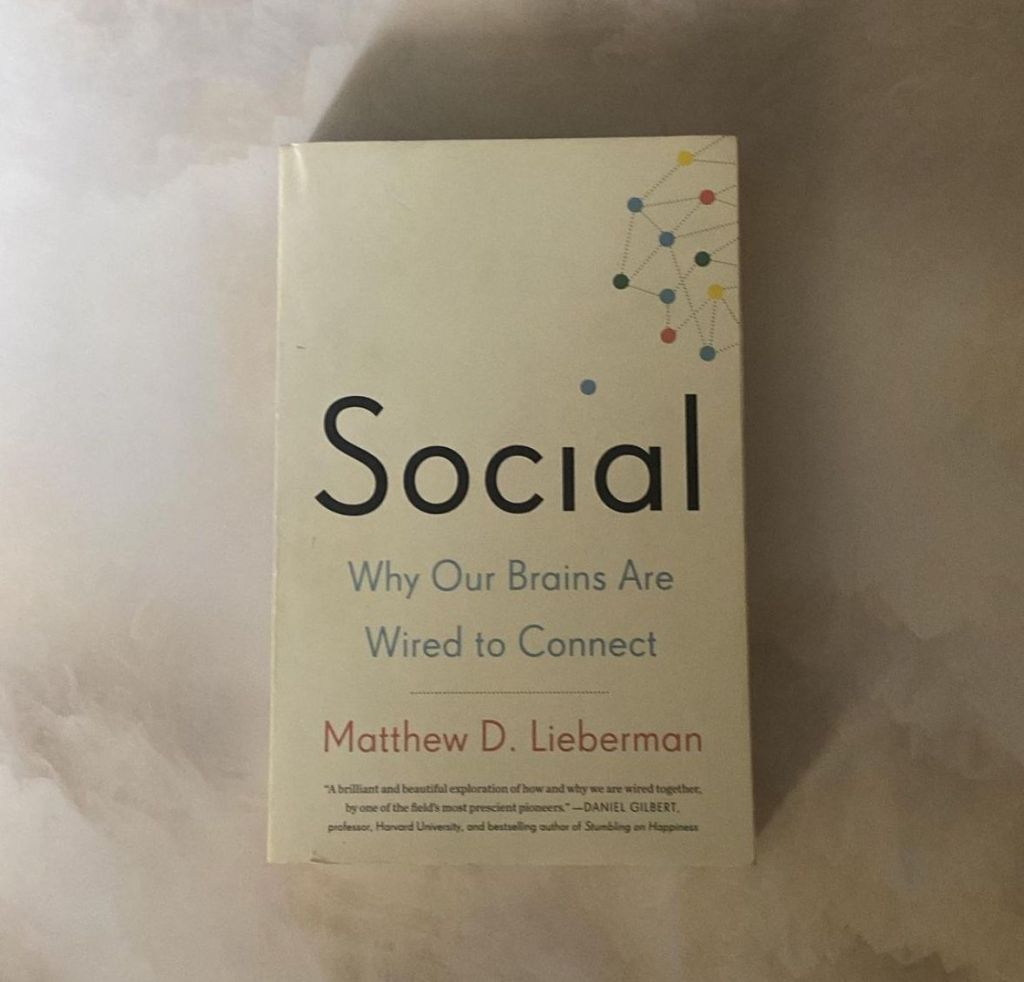 Continue reading →: Social: Why Our Brains Are Wired to Connect by Matthew D. Lieberman
“Social cognitive neuroscience explores the connection between brain function and social behavior, asserting that our innate drive to connect with others significantly influences our actions. It highlights that social pain parallels physical pain in the brain. While some sections may be overly technical, the insights into social connectivity are compelling.”
-
 Continue reading →: Algorithms to Live By: The Computer Science of Human Decisions by Brian Christian and Tom Griffiths
The book “Algorithms to Live By” by Brian Christian and Tom Griffiths explores how computer algorithms can address everyday human decision-making challenges. It highlights parallels between human constraints and computer problems, offering insights on improving intuition, managing choices, and enhancing relationships by applying algorithmic principles to real-life scenarios.
-
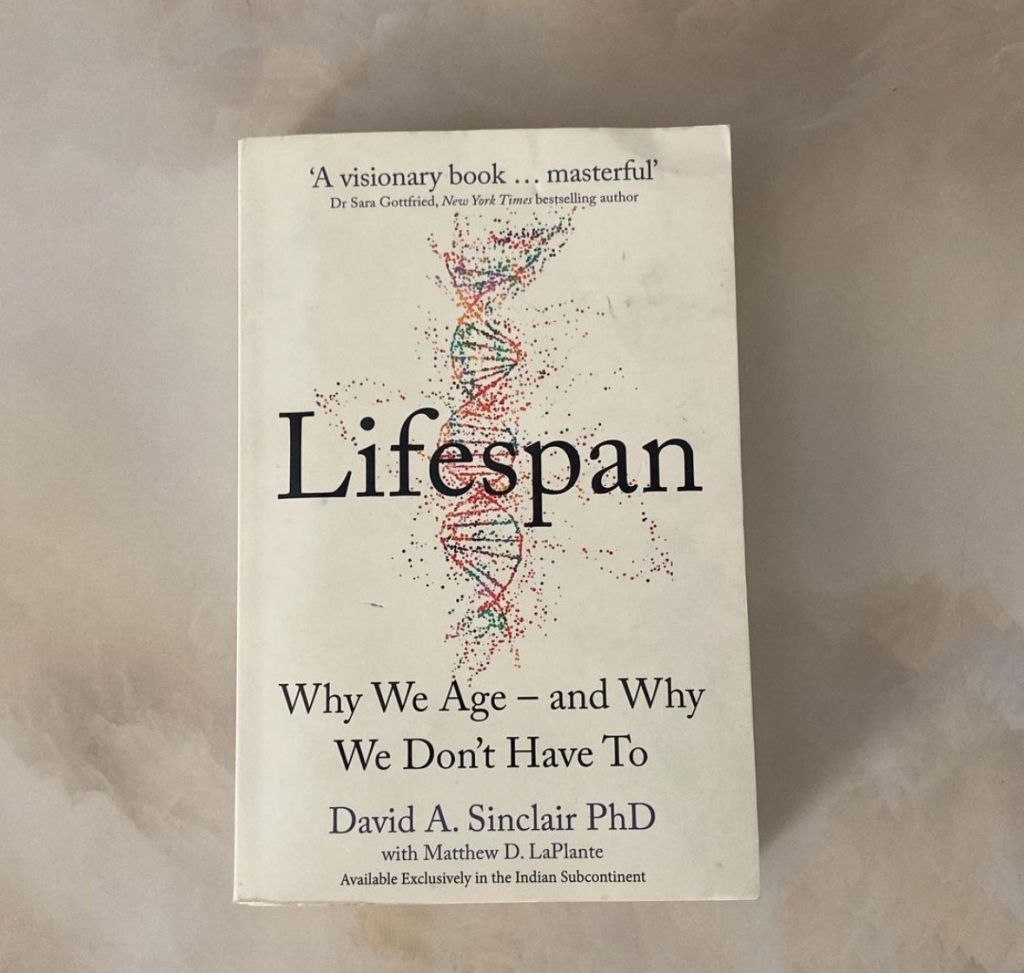 Continue reading →: Lifespan: Why We Age—and Why We Don’t Have To by David A. Sinclair
In “Lifespan,” Dr. David Sinclair challenges conventional beliefs about aging, arguing that it is a treatable disease. Drawing from his research at Harvard, he presents evidence on how activating specific vitality genes can slow down or even reverse aging, offering a revolutionary perspective on lifespan extension.
Hello,
I’m Vaibhav

I am a science communicator and avid reader with a focus on Life Sciences. I write for my science blog covering topics like science, psychology, sociology, spirituality, and human experiences. I also share book recommendations on Life Sciences, aiming to inspire others to explore the world of science through literature. My work connects scientific knowledge with the broader themes of life and society.
Let’s connect
Recent posts






Behavior Biology Brain Brain Health Business Consciousness diet Disease DNA Ecology Emotions environment Evolution food Genes Genetics Health Human Anatomy Human Brain life Lifestyle Marketing Medical Medicine Mental Health Mind Mindfulness Nature Neurology Neuropsychology Neuroscience Nutrition Philosophy Psychology Science self-care Self Help Social Social Media Society Sociology Spirituality Stress Technology wellness
 Thinking Beyond Science