-
 Continue reading →: The Two Sides of the Brain: Why Balance Matters for You and Your Child
The brain’s left and right hemispheres exhibit distinct functions, influencing logic and emotion. The left brain thrives on structure and reason, while the right emphasizes feelings and experiences. True wellness lies in integrating both sides, fostering emotional understanding and logical reasoning, especially valuable in parenting to ensure balanced communication and…
-
 Continue reading →: The Simple Habit That Keeps You Inspired
Inspiration is vital yet elusive, often ignited by collecting quotes, stories, and reflections that resonate with you. To enhance creativity, save surprising ideas and challenging perspectives. Building a “Second Brain” through effective note-taking transforms fleeting inspirations into lasting knowledge, fostering understanding and the potential for creation.
-
 Continue reading →: Growing Up With Silent Rules
The concept of culture is multifaceted, influencing our identities, relationships, and the conditioning we experience throughout life. Various cultural norms contribute to our psychological development, often shaping perceptions of sexuality. Engaging in therapeutic practices can empower individuals to understand and reshape these inherited beliefs, fostering emotional healing and healthier relationships.
-
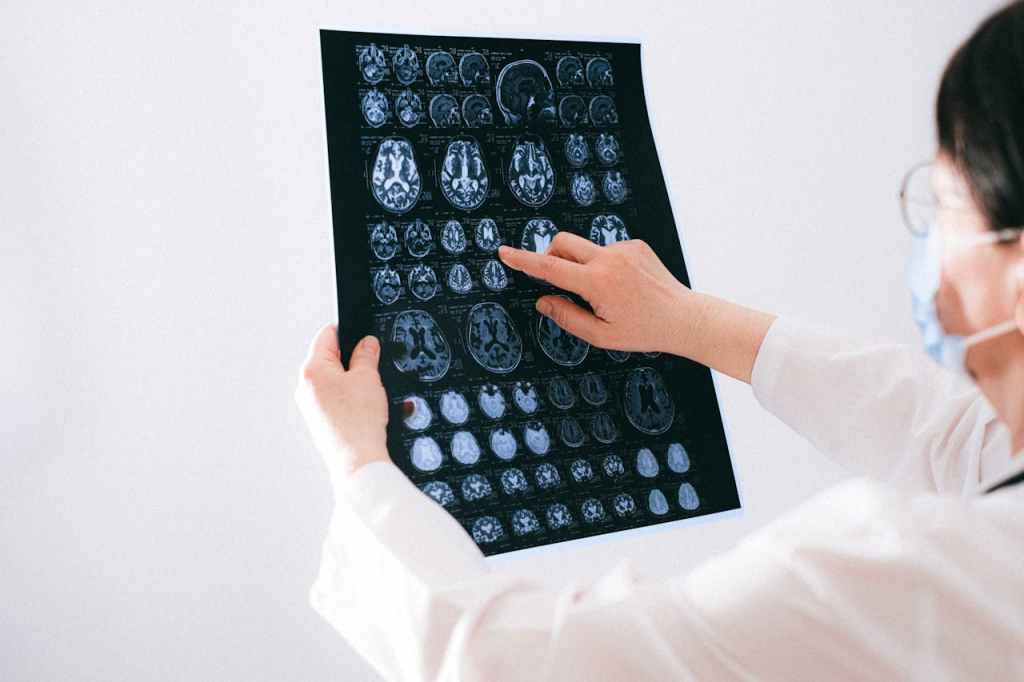 Continue reading →: The Electric Symphony Within: Understanding the Brain as a Living Universe
The brain operates as a complex, electric ecosystem, akin to an orchestra, where neurons produce waves of thought and creativity. Moments of flow allow for heightened awareness and clarity, while internal dialogues inform our sense of self. The spine connects bodily sensations to thoughts, embodying vulnerability and resilience in our…
-
 Continue reading →: How Word Gaps Transformed Reading and Writing
The introduction of spaces between words revolutionized reading and writing, transforming how individuals engage with texts and think. This innovation facilitated silent reading, deep reflection, and personal expression in writing. It reshaped the human brain, fostering complex thought and literary consciousness, ultimately enhancing both comprehension and creativity in communication.
-
 Continue reading →: Why Some People Recover Quickly from Setbacks
The text discusses resilience, highlighting the differences between individuals who quickly recover from setbacks and those who take longer. It explains how emotional recovery is measured, the advantages and disadvantages of varying resilience levels, and the importance of maintaining a positive outlook. Ultimately, finding balance in emotional recovery is emphasized.
-
 Continue reading →: How the Mind Makes Its Own Truths
The content explores the evolutionary origins of self-deception, highlighting how lying and bias influence human behavior. It discusses how cognitive dissonance and emotional biases affect decision-making in both personal and economic contexts. Ultimately, it suggests that honesty serves as a crucial counterbalance to our inherent tendency to deceive, fostering trust…
-
 Continue reading →: The Hidden Workings of Decision-Making: How the Brain Shapes Our Choices
Decision-making is driven by a complex interplay of stimuli and emotions, often occurring before conscious awareness. When exposed to stimuli, our brains begin forming decisions up to ten seconds prior. Both conscious and unconscious processes, along with emotional influences, shape our choices, making decision-making a blend of logic, memory, and…
-
 Continue reading →: The Necessity of Creative Thinking: Lessons from Nature, Minds, and Machines
Creative thinking is essential for innovation, paralleling nature’s evolutionary strategies. Embracing a mix of safe and daring ideas fosters progress, as illustrated by historical innovators like Einstein and Da Vinci. Successful organizations value experimentation and learning from failures, leading to transformative advancements. Ultimately, creativity thrives on curiosity and the willingness…
-
 Continue reading →: The Relentless Loop: Understanding the Mind of Obsessive-Compulsive Disorder
Obsessive-compulsive disorder (OCD) often starts with an emotional trigger, leading to spiraling thoughts and a cycle of fear and compulsion. Individuals experience persistent doubts despite logical resolutions. Neuroscience shows hyperactivity in key brain areas, creating a “brain lock.” Treatment includes exposure and response prevention and refocusing techniques to regain control.
Hello,
I’m Vaibhav

I am a science communicator and avid reader with a focus on Life Sciences. I write for my science blog covering topics like science, psychology, sociology, spirituality, and human experiences. I also share book recommendations on Life Sciences, aiming to inspire others to explore the world of science through literature. My work connects scientific knowledge with the broader themes of life and society.
Let’s connect
Recent posts






Behavior Biology Brain Brain Health Business Consciousness diet Disease DNA Ecology Emotions environment Evolution food Genes Genetics Health Human Anatomy Human Brain life Lifestyle Marketing Medical Medicine Mental Health Mind Mindfulness Nature Neurology Neuropsychology Neuroscience Nutrition Philosophy Psychology Science self-care Self Help Social Social Media Society Sociology Spirituality Stress Technology wellness
 Thinking Beyond Science