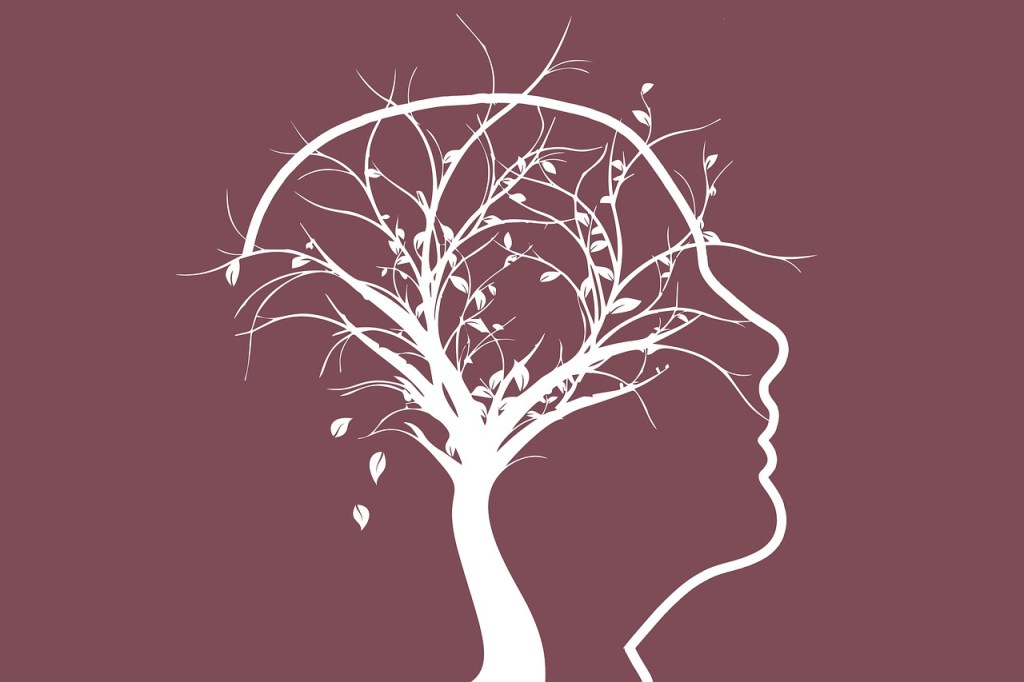
As our species has evolved, our physical skills have developed into abstract abilities to predict, sequence, estimate, plan, rehearse. observe ourselves, judge, correct mistakes, shift tactics, and then remember everything we did in order to survive. The brain circuits that our ancient ancestors used to start a fire are the same ones we use today to learn French.
Cerebellum, which coordinates motor movements and allows us to do everything from returning a tennis serve to resisting the pull of gravity. Starting with evidence that the trunk of nerve cells connecting the cerebellum to the prefrontal cortex are proportionally thicker in humans than in monkeys, it now appears that this motor center also coordinates thoughts, atten-tion, emotions, and even social skills.
When we learn something, a wide array of connected brain areas are called into action. The hippocampus doesn’t do much without oversight from the prefrontal cortex. Broadly speaking, the prefrontal cortex organizes activity, both mental and physical, receiving input and issuing instructions through the brain’s most extensive network of connections. The prefrontal cortex is the boss. As such, it is responsible for, among other things, keeping tabs on our current situation through so-called working memory, inhibiting stimuli and initiating action, judging, planning, predicting -all executive functions. As the CEO of the brain, the prefrontal cortex has to stay in close contact with the COO- the motor cortex – as well as many other areas.
The hippocampus is something like the cartographer, receiving new input from working memory, cross-referencing that information with existing memories for the sake of comparison and to form new associations, and reporting back to the boss. A memory, scientists believe, is a collection of information fragments dispersed throughout the brain. The hippocampus serves as a way station, receiving the fragments from the cortex, and then bundling them together and sending them back up as a map of a unique new pattern of connections.
Brain scans show that when we learn a new word, for example, the prefrontal cortex lights up with activity (as does the hippocampus and other pertinent areas, such as the auditory cortex). Once the circuit has been established by the firing of glutamate, and the word is learned, the prefrontal cortex goes dark. It has overseen the initial stages of the project, and now it can leave the responsibility to a team of capable employees while it moves on to new challenges.
How we come to know things and how activities like riding a bike become second nature. Patterns of thinking and movement that are automatic get stored in the basal ganglia, cer-ebellum, and brain stem -primitive areas that until recently scientists thought related only to movement. Delegating fundamental knowledge and skills to these subconscious areas frees up the rest of the brain to continue adapting, a crucial arrangement. Imagine if we had to stop and think to process every thought and to remember how to perform every action. We’d collapse in a heap of exhaustion before we could pour our first cup of morning coffee. Which is why a morning run is so important.
BDNF gathers in reserve pools. near the synapses and is unleashed when we get our blood pumping. In the process, a number of hormones from the body are called into action to help, which brings us to a new list of initialisms: IGF-1 (insulin-like growth fac-tor), VEGF (vascular endothelial growth factor), and FGF-2 (fibro-blast growth factor). During exercise, these factors push through the blood-brain barrier, a web of capillaries with tightly packed cells that screen out bulky intruders such as bacteria. Scientists have just recently learned that once inside the brain, these factors work with BDNF to crank up the molecular machinery of learning. They are also produced within the brain and promote stem-cell division, especially during exercise. The broader importance is that these factors trace a direct link from the body to the brain.
Take IGF-1, a hormone released by the muscles when they sense the need for more fuel during activity. Glucose is the major energy source for the muscles and the sole energy source for the brain, and IGF-1 works with insulin to deliver it to your cells. What’s interest ing is that the role of IGF-1 in the brain isn’t related to fuel management, but to learning – presumably so we can remember where to locate food in the environment. During exercise, BDNF helps the brain increase the uptake of IGF-1, and it activates neurons to produce the signaling neurotransmitters, serotonin and glutamate. It then spurs the production of more BDNF receptors, beefing up connections to solidify memories. In particular, BDNF seems to be important for long-term memories.
If we strip everything else away, the reason we need an ability to learn is to help us find and obtain and store food. We need fuel to learn, and we need learning to find a source of fuel -and all these messengers from the body keep this process going and keep us adapting and surviving.
To pipe fuel to new cells, we need new blood vessels. When our body’s cells run short of oxygen, as they can when our muscles contract during exercise, VEG gets to work building more capillaries in the body and the brain. Researchers suspect that one way VEGF is vital to neurogenesis is its role in changing the permeability of the blood-brain barrier, prying back the fence to let other factors through during exercise.
Another important element from the body that makes its way to the brain is FGF-2, which, like IGF-1 and VEGF, is increased during exercise and is necessary for neurogenesis. In the body, FGF2 helps tissue grow, and in the brain it’s important to the process of LTP.
As we age, production of all three of these factors and BDNF naturally tails off, bringing down neurogenesis with it. Even before we get old, however, a drop in these factors and in neurogenesis can show up in stress and depression, as we’ll see later. To me, this is actually encouraging news, because if moving the body increases BDNE, IGF-1, VEGF, and FGF-2, it means we have some control over the situation.
Source : Spark: The Revolutionary New Science of Exercise and the Brain by John J. Ratey, Eric Hagerman
Goodreads : https://www.goodreads.com/book/show/721609.Spark
Read Previous Article : https://thinkingbeyondscience.in/2024/11/19/the-mind-body-connection-how-exercise-shapes-brain-plasticity-and-function/








 Thinking Beyond Science
Leave a reply to The Mind-Body Connection: How Exercise Shapes Brain Plasticity and Function – Thinking Beyond Science Cancel reply