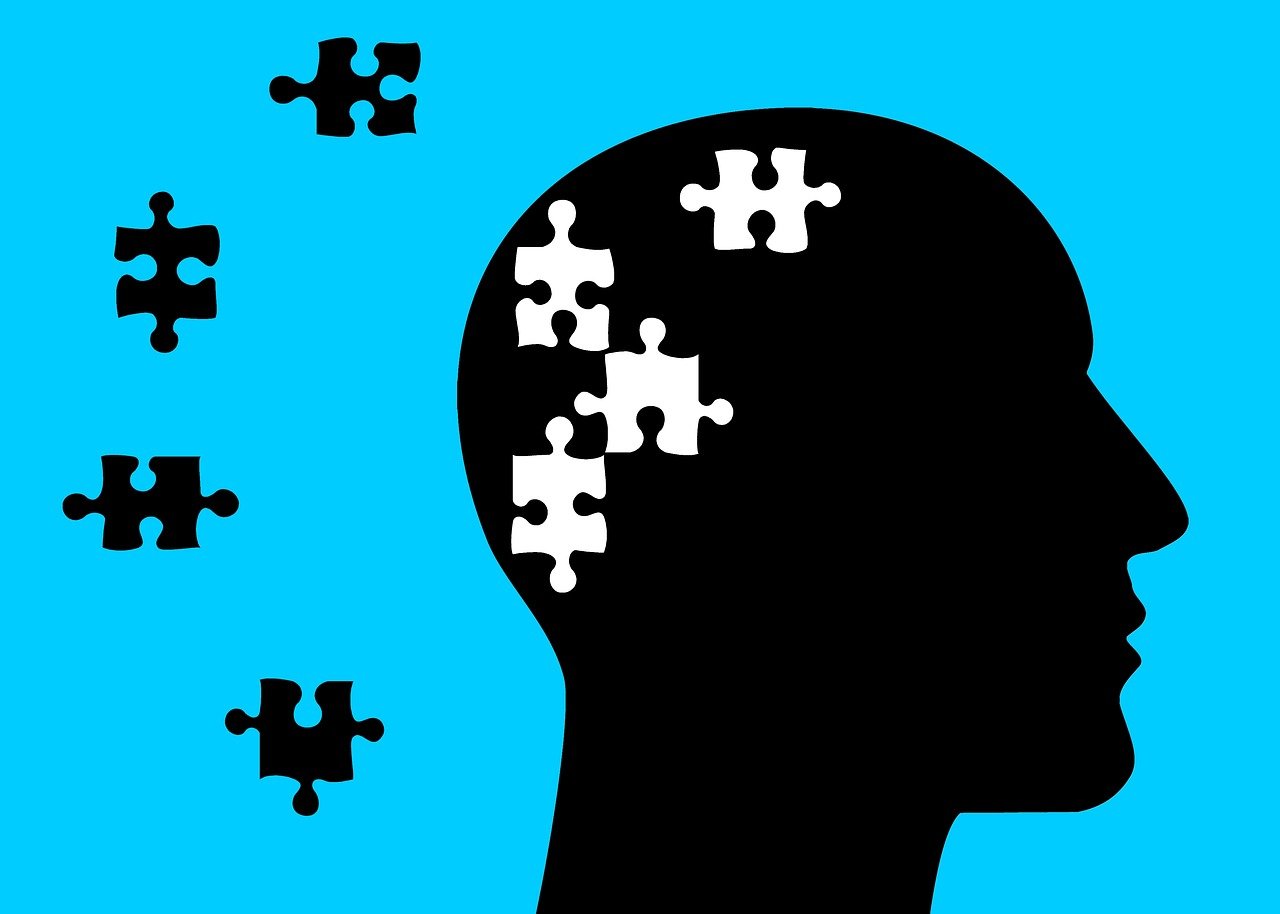
Memories are initially fragile, like sculptures made of soft clay that have yet to set. We can pick up new information – a wifi password, say – right away, but to commit something to memory requires time. Our brains need to consolidate the information in the far-reaching assembly of neurons that make memory meaningful enough to really hold on to. Emotion is the shortcut to consolidation, taking away the usually requisite time and repetition to imprint a memory deeply. Memories aren’t saved in a single spot like a file on a hard drive. A memory is more of a web, and it is stored in different regions of the brain.
Emotional memories are consolidated in the brain within hours. Once memories are set, once that brief window has closed, those memories are much more resistant to change. That means what you do during that time immediately after a traumatic event is crucial. It seems that what we’re doing just after we experience trauma, before the memory is consoli-dated, has a profound impact on how the trauma affects us – and whether it can continue to reach into our present to traumatize us anew. During the French Revolution, les tricoteuses famously sat by the guillotine, knitting; apparently, they suffered no post-traumatic stress. Somehow, the task of knitting seems to have protected them.
British psychologist Emily Holmes believes visual spatial tasks such as knitting may prevent traumatic memories from sticking in the mind. She found that playing the game Tetris before memories consolidated helps block flashbacks of traumatic events. Likewise, participants who tapped out a specific pattern on a hidden keyboard while they watched videos showing the bloody aftermath of real car accidents suffered fewer intrusive memories than those who didn’t perform the task. Those performing a verbal task while they watched the gruesome videos – counting by threes – had more intrusive memories.
Darwin suggested that inappropriately prolonged escape or avoidance behaviour would put an animal at a disadvantage. Avoidance also puts us at a disadvantage when it comes to traumatic memories. Under the right conditions, recalling traumatic events may heal the emotional injury of a trauma and lead to ‘fear extinction’ through a process called reconsolidation. Creating a memory is not a one-time procedure, forever unchanging, like a sculpture chiselled in granite. A memory is malleable. If a memory is retrieved, it needs to be reconsolidated, re-remembered. This is a biological process: protein synthesis makes the memory vulnerable to change and provides an oppor-tunity. New information and new context can be added to the original memory.
Remarkably, some trauma turns to growth – a reverse PTSD. Post-traumatic growth is positive psychological change resulting from struggle. It might mean a new appreciation of life, an openness to possibilities, a reordering of priorities. Despite the trauma, personal growth is possible in its aftermath, but only for those willing to put in work to make sense of the world turned upside down, to reframe the event and reconsolidate the memory.
Some patients diagnosed with cancer who feel stressed and anxious soon after the diagnosis are able to achieve post-traumatic growth over time. The initial struggle is instrumental in the ultimate growth. Stroke patients and adolescent tornado survivors who reflect on what happened and worked to make sense of it, positively reconstructing the event in their minds, were more likely to achieve post-traumatic growth. This act of positive reflection is called deliberate rumination.
Strangely, those who experience more psychological disruption have the potential to experience more growth than those who are armed with greater resilience. This transformational coping doesn’t mean a reduction in pain or an increase in feelings of wellbeing but instead a level of functioning that is higher than before the trauma. Those who are better at dealing with adversity may not achieve the same post-traumatic growth because their perception of the event does not reach the critical level of seismicity They aren’t rattled enough for the event to trigger growth in them.
Difficult times hold the deepest reservoir from which to draw post-traumatic growth. This counter-intuitive, trauma-induced flourishing can come about in a number of ways, all of them leading back to the subjective experience of the trauma itself. Those able to thrive after trauma demonstrate an ability to reframe or recast the trauma. In interviews with survivors of major trauma, an acceptance of the turn of events was a recurring observation, regardless of the nature of the event. ‘You don’t choose the issues that you’ve got, but you can – you can – make a choice to change,’ one person said. Another told the researchers something I’ve heard many times: ‘I am who I am because of what happened.
When we pull on the web of our memories, our mind unspools sights, smells and emotions connected to that web.
In the moment the trauma arrives, step one is to survive – simply survive. And for that there is no script; in that crisis, whatever one can draw upon is of value. But the ripples of trauma endured are incessant, and we must revisit the trauma on our own terms and on our own timeline, never letting it sit seemingly idle. Unless we tend to it, it will become psychologically corrosive. Struggling with trauma is not a sign of failure but the necessary groundwork for personal growth.
Traumatic energy won’t just pass through us; it must be metabolized. It is a catalyst for an aftermath you didn’t want but now are responsible for directing.
Source : Life on a Knife’s Edge: A Brain Surgeon’s Reflections on Life, Loss and Survival by Rahul Jandial
Goodreads : https://www.goodreads.com/book/show/58248108-life-on-a-knife-s-edge
Read Previous Article : https://thinkingbeyondscience.in/2025/02/07/how-trauma-shapes-our-memories-and-lives/
Read the Next Article in the Series :





Leave a Reply