-
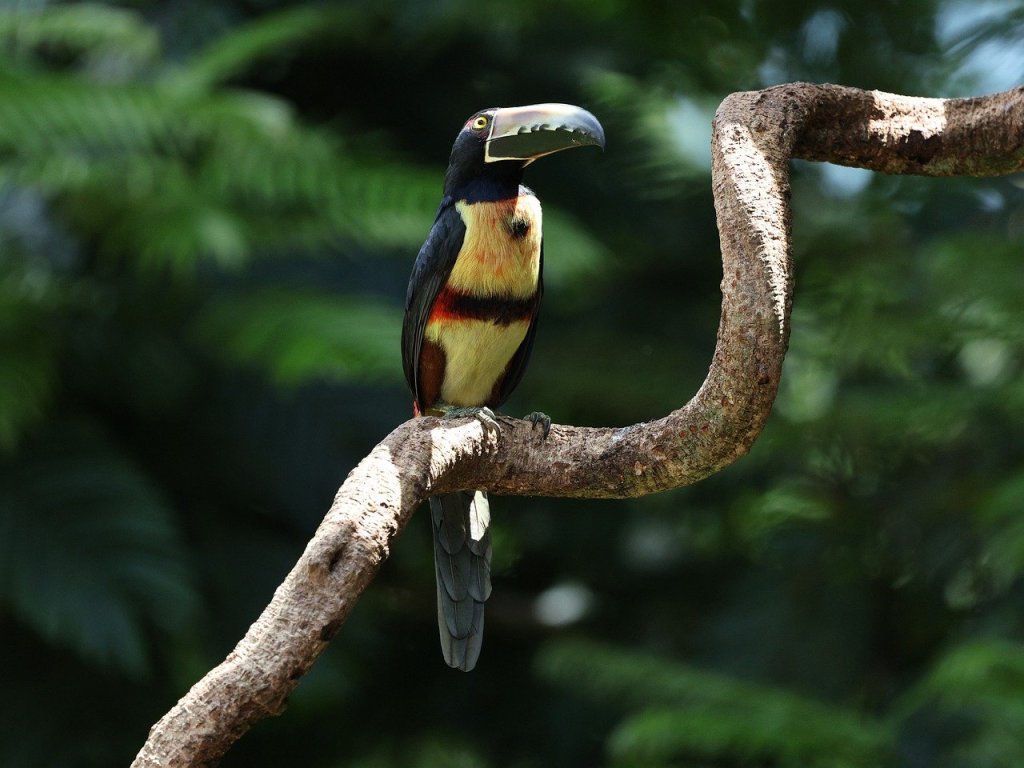 Continue reading →: Global Warming’s Hidden Winners: The Tropical Survivors
Global warming threatens cold-dependent species like polar bears as Arctic ice diminishes. However, tropical species may prove more resilient due to rapid evolution and specialized tolerances. The historical context of biodiversity highlights that while cold-adapted species face challenges with warming, many may cope better than those reliant on stable, icy…
-
 Continue reading →: Pioneers of the Frozen Frontier: Who First Touched the Arctic Ocean?
The Arctic region has a rich history of human settlement, beginning with Mongolic peoples arriving in Russia around 30,000 years ago and spreading across North America. WWII significantly impacted Arctic infrastructure, while the Soviet Gulag system industrialized Siberia. Today, West Siberia is vital for Russia’s energy sector, contrasting with nearby…
-
 Continue reading →: Beyond Mutations: Why Cancer’s Real Story Isn’t in Your DNA
The text highlights the misconception that genetic mutations solely cause cancer, arguing that understanding root causes is essential for effective treatment. It emphasizes the significance of epigenetics and environmental factors over mere genetic focus. True medical advances require a comprehensive view of disease origins rather than merely addressing symptoms or…
-
 Continue reading →: Why We’re Bad at Reading People—and Why That’s a Good Thing
The content discusses the challenges of accurately interpreting others’ thoughts, highlighting how biases, especially confirmation bias, hinder our understanding. While we struggle with lie detection, social relationships like friendship, often overlooked, offer significant emotional benefits. The complexity of friendships lies in their lack of formal structures, making them both fragile…
-
 Continue reading →: Unlocking the Magic of Hearing: How Our Ears and Brain Turn Sound into Sense
Hearing is vital for communication and connection. It involves detecting sound waves, which travel through the ears to the brain, transforming vibrations into nerve impulses. The auditory cortex processes these signals, enabling recognition of sounds and speech. This intricate mechanism illustrates how critical sound is for interaction and awareness in…
-
 Continue reading →: Stress, Aging, and the Hidden Biology of Depression
Stress accelerates aging through a complex neurochemical system. It disrupts mental well-being, contributing to conditions like chronic depression, which can lead to severe dysfunction and high suicide rates. Social support, predictability, and control are crucial for managing stress and resilience. Treatments target neurotransmitters but require understanding of individual factors.
-
 Continue reading →: Unmasking Diet Culture: The Life Thief That’s Consuming Us
Western culture, dominated by diet culture, often equates health with restrictive eating and weight loss, resulting in disordered eating, missed life events, and mental strain. Historically, fatness signified prosperity, contrasting modern ideals that demonize it. Understanding this history is crucial to reclaiming agency over our bodies and lives.
-
 Continue reading →: The Pencil Within: Facing Criticism and Grief with Inner Strength
The piece explores the dual nature of humans, highlighting the contrast between our outer appearances and inner essence. It addresses how criticism and grief test our emotional resilience. By reflecting on feedback, seeking support, and employing healthy coping mechanisms, we can navigate life’s challenges and maintain our inner strength.
-
 Continue reading →: The Brain’s Prediction Game: Why We’re Wired for Optimism (and Risk)
Human learning is fundamentally based on prediction error, which influences our responses and perceptions. Optimism drives positive actions, while pessimism often leads to inaction. Cognitive biases, like the halo effect and confirmation bias, shape our worldview, illustrating how our brains prioritize optimism and flawed perceptions in navigating reality.
-
 Continue reading →: The ADHD Brain: Wired for Chaos, Creativity, and a Rebellion Against the Grind
Children with ADHD experience extreme fluctuations in dopamine levels, affecting focus and impulse control. This brain wiring, though challenging in structured environments, can foster exceptional creativity. Stimulants like amphetamines help normalize dopamine, but risks of dependence and depression persist. Embracing brain diversity and the need for rest may offer valuable…
Hello,
I’m Vaibhav

I am a science communicator and avid reader with a focus on Life Sciences. I write for my science blog covering topics like science, psychology, sociology, spirituality, and human experiences. I also share book recommendations on Life Sciences, aiming to inspire others to explore the world of science through literature. My work connects scientific knowledge with the broader themes of life and society.
Let’s connect
Recent posts






Behavior Biology Brain Brain Health Business Consciousness diet Disease DNA Ecology Emotions environment Evolution food Genes Genetics Health Human Anatomy Human Brain life Lifestyle Marketing Medical Medicine Mental Health Mind Mindfulness Nature Neurology Neuropsychology Neuroscience Nutrition Philosophy Psychology Science self-care Self Help Social Social Media Society Sociology Spirituality Stress Technology wellness
 Thinking Beyond Science