-
 Continue reading →: The Art of Living Well: How Flow, Memory, and Curiosity Shape a Meaningful Life
Discover how flow, physical activity, memory, and curiosity shape a truly meaningful life — and why quality of experience has always been humanity’s greatest pursuit.
-
 Continue reading →: Your Brain Has an Immune System — And Modern Life Is Overwhelming It
Your brain has its own immune system — and chronic stress, environmental toxins, and social media may be triggering it into overdrive. The science explained.
-
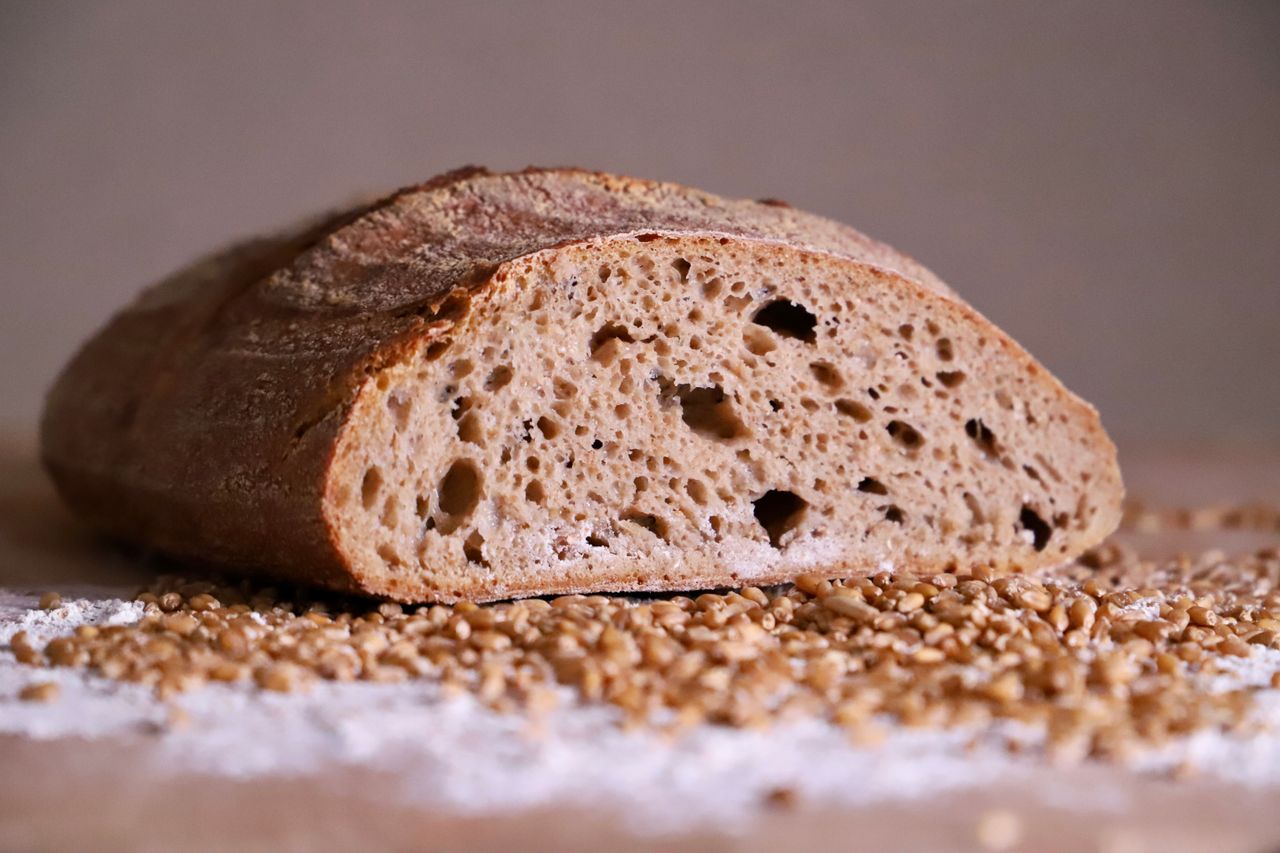 Continue reading →: The Silent Fire: How Gluten, Sugar, and Cholesterol Myths Are Damaging Your Brain
Gluten harms the brain without obvious symptoms, sugar hides under sixty names, and cholesterol was never the villain. The real story of inflammation.
-
 Continue reading →: What Your Blood Tests Are Not Telling You About Your Brain
Your standard blood panel misses the most important markers for brain health. The tests that actually predict cognitive decline and what the numbers mean.
-
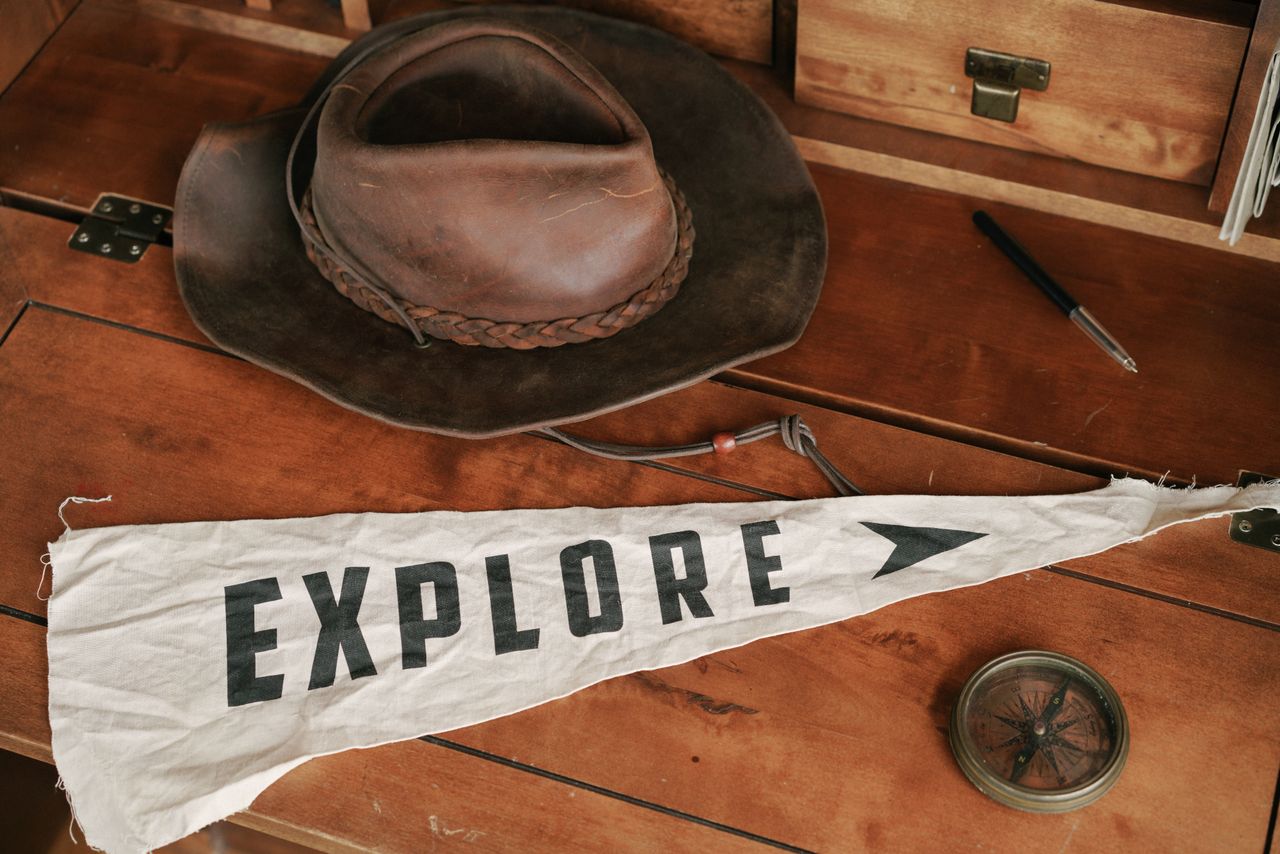 Continue reading →: Born to Wander: The Science Behind the Urge to Explore
Is the urge to explore written in your DNA? The explorer gene, the DRD4 variant, and what ancient bones reveal about why humans never stopped moving.
-
 Continue reading →: Trees’ Quiet Work: How Water, Bark and Time Shape a Living Giant
Discover how capillary action, transpiration and tiny bubbles move water through trees, how bark protects them, and why trees stop growing taller as they age — a clear, engaging look at the quiet mechanics and life cycle of giants.
-
 Continue reading →: You Were Built Three Times: The Unlikely Story of How You Became You
From sex determination to kidneys built three times in the wrong place — the strange, surprising biology of how a human body assembles itself in the womb.
-
 Continue reading →: The Language of Longing: What Advertising Borrowed from Art
Advertising doesn’t sell products — it sells envy. A look at how publicity borrowed the language of oil painting to manufacture glamour and keep us always wanting more.
-
 Continue reading →: Enrage to Engage: How the Attention Economy Broke Our Sense of Reality
From Facebook’s split testing to ISIS’s media strategy — how algorithms built for engagement quietly rewired our perception of threat, politics, and truth.
-
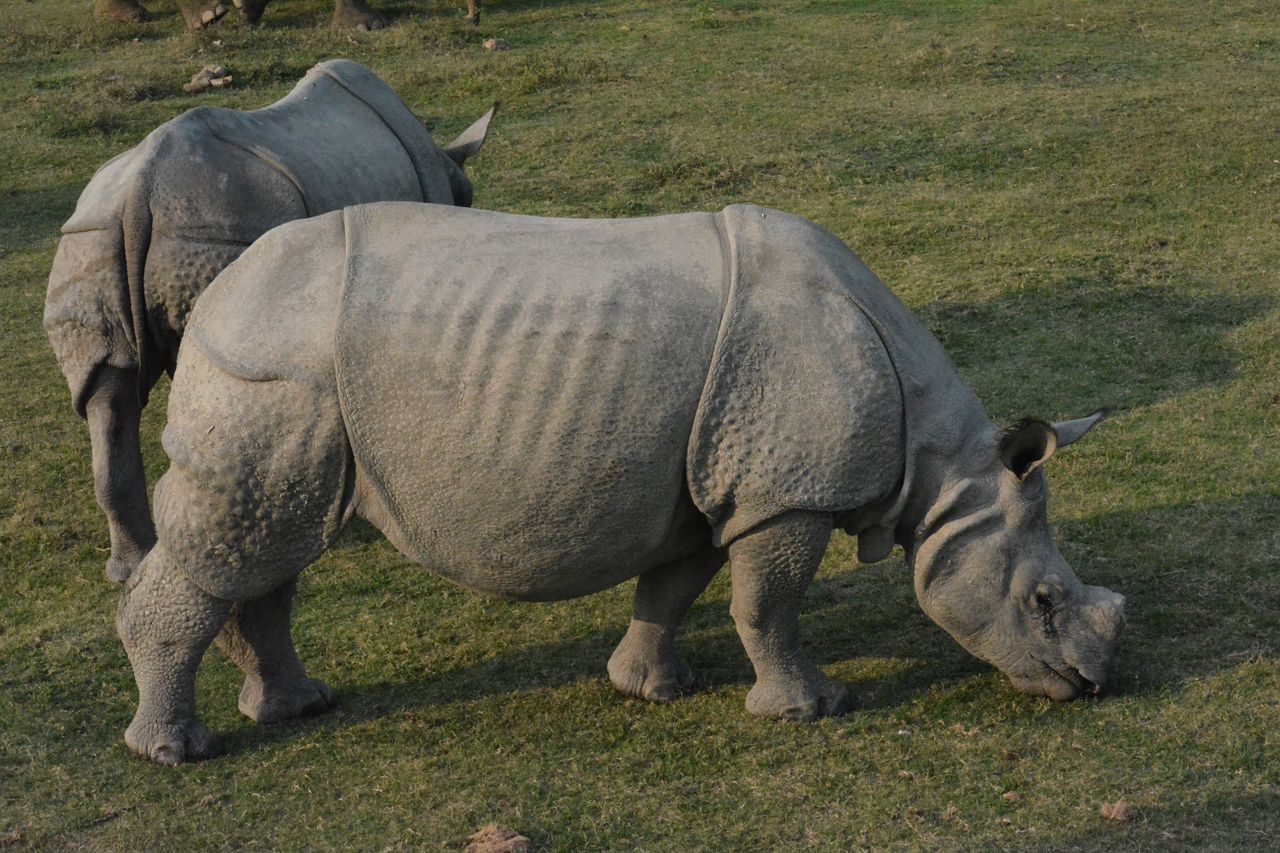 Continue reading →: The Sixth Extinction: How One Species Changed Everything
From invasive species to vanishing rhinos and the fall of the Neanderthals — a look at how human arrival has always meant disappearance for everything else.
Hello,
I’m Vaibhav

I am a science communicator and avid reader with a focus on Life Sciences. I write for my science blog covering topics like science, psychology, sociology, spirituality, and human experiences. I also share book recommendations on Life Sciences, aiming to inspire others to explore the world of science through literature. My work connects scientific knowledge with the broader themes of life and society.
Let’s connect
Recent posts






Biology Brain Brain Health Business Cancer Consciousness diet Disease DNA Ecology Economics Emotions environment Evolution food Genes Genetics Health Human Human Anatomy human body Human Brain life Lifestyle Medical Medicine Mental Health Mind Mindfulness Nature Neurology Neuropsychology Neuroscience Nutrition Philosophy Psychology Science Self Care Self Help Social Social Media Society Sociology Stress Wellness