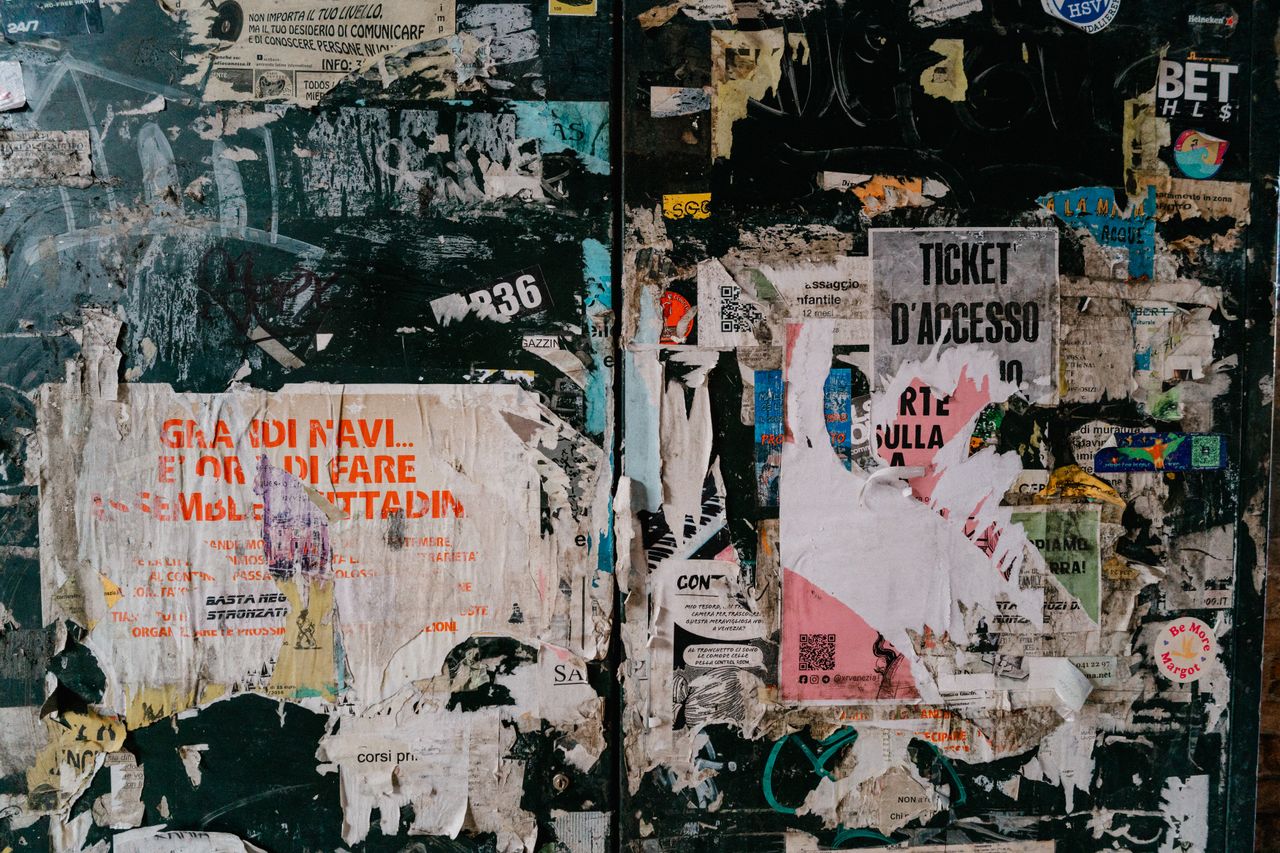
Walk through any city and count the images. Billboards, screens, storefronts, the backs of buses, the sides of buildings. Hundreds of publicity images pass through your field of vision every single day. No other society in history has concentrated visual messages at this density. We absorb them constantly, and yet — precisely because they are so constant — we have almost entirely stopped noticing them.
That invisibility is worth examining. Because these images are not neutral. They speak a specific language, make a specific promise, and borrowed the grammar for both from somewhere surprising: the oil painting.
What Oil Paint Could Do
Oil painting possesses a quality no other visual medium quite matches: the ability to render the tangibility of things. Their texture, their lustre, their weight, the specific way light falls on skin or silk or polished wood. It defines the real as that which you can put your hands on.
Though its images are two-dimensional, oil painting’s capacity for illusionism exceeds even sculpture. It can suggest objects with colour, temperature, and texture — objects that seem to occupy real space and, by extension, imply an entire world beyond the frame. This is an extraordinary technical achievement, and for centuries it was the primary means by which the wealthy recorded, displayed, and celebrated what they possessed.
That history matters. Because the relationship oil painting established between image and viewer — between the depicted world of objects and the person looking at it — turned out to be exactly the relationship that advertising required.
Images That Belong to the Moment, But Speak of the Future
Publicity images are creatures of the present tense in their form but the future tense in their meaning. We encounter them in passing — turning a page, rounding a corner, waiting for a commercial break to end. They are designed to be absorbed in a glance. They are continually updated, refreshed, replaced.
And yet they never speak of now. They speak of what might be. They address not who you are, but who you could become.
There is a strange perceptual effect that follows from this, one so familiar we rarely notice it. Normally, it is we who pass images — walking, turning pages, changing channels. We are the active agents. And yet, with publicity, the impression reverses. It feels as though the images are the ones moving — passing us like express trains on their way somewhere we have not yet arrived. We stand still. They are dynamic. The poster will be pasted over. The programme continues. The newspaper is thrown away. The images go on without us.
The Single Proposal
Publicity presents itself as a system of competition and choice. This brand against that brand. This car against that car. This cream against the other. And it is true that individual products compete within the system.
But the system itself makes only one proposal. Always the same proposal, regardless of what is being sold.
It proposes that you transform yourself — or your life — by buying something more. And this more, it promises, will make you richer in some way that matters, even as it makes you poorer in the most literal sense.
Publicity achieves this by showing us people who have apparently already undergone the transformation — and who are, as a result, enviable. This is the mechanism of glamour. Glamour is not beauty, not talent, not achievement. Glamour is the state of being envied. And publicity is the industrial process of manufacturing it.
It is important to be clear about what this means. Publicity is not really about the products it advertises. Clothes, food, cars, sunshine — these are real things that offer real pleasures. Publicity begins by attaching itself to those genuine appetites. But it cannot deliver the actual pleasure. The more vividly an advertisement conveys the sensation of bathing in a warm, distant sea, the more acutely the viewer becomes aware that they are nowhere near that sea, and the more remote the possibility seems.
This is why publicity cannot afford to be about the product itself — about pleasure as it actually exists, in its own terms. Instead, it offers the viewer an image of themselves made glamorous by the product. It makes you envious of yourself as you might be. And what makes that possible future self enviable? The envy of others.
Publicity, then, is not fundamentally about objects. It is about social relations. Its promise is not pleasure but happiness — happiness as judged from the outside, by other people. The happiness of being envied is glamour, and glamour is what is always, ultimately, for sale.
What Advertising Took from the Oil Painting
When publicity borrows a work of art — places a Vermeer in a watch advertisement, hangs a Renaissance portrait behind a luxury product — it is doing two things simultaneously.
First, it signals wealth. Art belongs to the good life. It is part of the furnishing the world gives to the rich. To associate a product with fine art is to associate it with affluence.
Second, it borrows cultural authority. A great painting implies wisdom, dignity, a connection to something that transcends mere commercial interest. It suggests that the purchase being proposed is not vulgar consumption but participation in a civilised inheritance. The quoted artwork says, simultaneously: this is luxurious and this is cultured. It proposes that buying the thing is both an act of desire and an act of refinement.
Advertising has understood the tradition of oil painting, in this sense, more thoroughly than most art historians. It grasped the nature of the relationship the oil painting established between the depicted world of desirable objects and the viewer who stands apart from them — longing, aspiring, imagining ownership. And it has reproduced that relationship at industrial scale.
But the connection goes deeper than borrowed images. Publicity speaks the same language as oil painting — addresses the viewer in the same voice, about the same desires. The visual correspondences are sometimes so precise that placing an advertisement beside a seventeenth-century still life feels less like comparison and more like recognition. The same textures. The same light. The same promise: that the world of beautiful, tangible things could be yours.
The Mirror We Cannot Stop Looking Into
We accept the total system of publicity images the way we accept the weather. It is simply the atmosphere of modern life — something we move through rather than something we scrutinize. But the weather shapes us. So does this.
These images pass us like express trains, continually, heading somewhere we are always just short of arriving. They tell us, thousands of times a day, that we are not yet complete. That the self we are is less than the self we might be. That the gap between the two can be closed by purchase.
Oil painting once served the wealthy as a mirror of their possessions — proof of what they had, what they were. Publicity serves an entire consumer society as a mirror of its aspirations — proof of what it does not yet have, what it is not yet. The form changed. The logic did not.
The language is ancient. Only the audience is new.
Source : Ways of Seeing by John Berger
Goodreads : https://www.goodreads.com/book/show/2784.Ways_of_Seeing
Buy on Amazon Com : https://amzn.to/44JxmKn
Buy on Amazon IN : https://link.amazon/B0hPgIDWR
Read the Previous Article in the Series :





Leave a Reply