-
 Continue reading →: Why Idleness is Essential for Child Development
The default mode network of the brain activates during idle states, facilitating unconscious connections that can lead to creativity and self-awareness. However, a culture of overachievement suppresses idleness, resulting in increased anxiety and depression in children. Idleness is essential for brain development, emotional processing, and fostering social interactions.
-
 Continue reading →: How Media Creates Perception of Risk
Unusual events like botulism receive excessive attention, skewing public perception of their rarity. Availability cascades arise from media amplification, prompting unnecessary panic. Stereotypes, though seen negatively, shape our understanding of categories. Predictions of rare events require high-quality information. Misuse of “know” obscures our true understanding of past events and future…
-
 Continue reading →: The Genetic Basis of Intelligence: Insights from Research
Cognitive function and psychiatric disorders are influenced by complex interactions between genetic, neurochemical, and environmental factors. Key systems include dopamine and CRF pathways, genes like DISC1 and NRG1, and brain regions such as the prefrontal cortex and parietal lobule. Intelligence is shaped increasingly by genetics as children develop.
-
 Continue reading →: Navigating the Ocean of Online Knowledge
The digital age offers vast access to knowledge, but it’s shaped by powerful private platforms like Google and Wikipedia. While enabling discovery, they also influence what we find, raising concerns about transparency, bias, and control. Knowledge remains a public good, yet increasingly governed by profit-driven, centralized gatekeepers.
-
 Continue reading →: Free Will and Evolution: Rethinking Human Behavior
The Default Mode Network supports non-conscious processes that can enhance conscious tasks. The concept of free will has negatively influenced civilization, masking empathy and limiting human potential. Consciousness evolved to help reduce entropy in survival, while dopamine pathways determine reward sensitivity, playing a crucial role in emotional behavior and cognition.
-
 Continue reading →: Navigating Complexity in Modern Family Relationships
Rituals, activities, and pastimes serve as structured methods to manage social interactions and time. While rituals provide a predictable, non-committal environment, activities focus on productivity. Pastimes allow social probing and potential friendships. However, true intimacy and emotional connections require trust and the ability to engage with one’s own and others’…
-
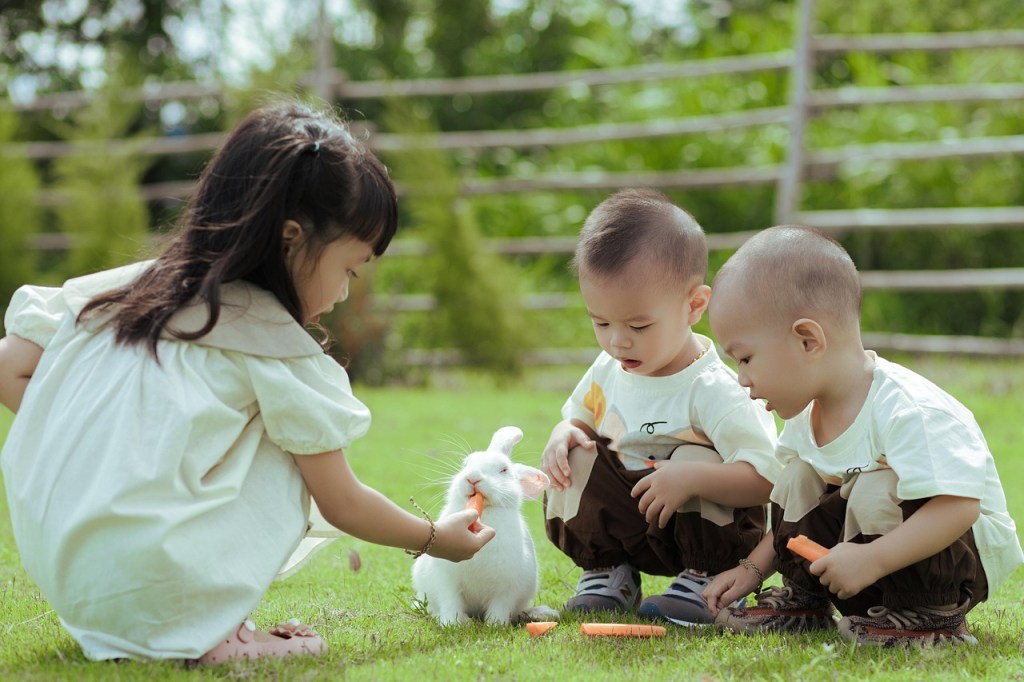 Continue reading →: The Stages of Language Development in Early Childhood
Children acquire language through imitation, social interaction, and cognitive development rather than innate ability. Theories emphasize environmental influence, with language evolving through feedback in social contexts. Language development stages reveal increasing complexity in communication, supported by cognitive skills that interact with experiences, ultimately shaping moral understanding as children grow.
-
 Continue reading →: Maximizing Life Satisfaction Through Adaptation
Adaptation influences our happiness and choices at various levels, yet much remains unknown. Strategies to manage hedonic adaptation include spacing out new purchases and favoring fleeting experiences over enduring possessions. Additionally, social comparisons impact our emotional satisfaction, revealing the importance of our environment and the closer connections we maintain in…
-
 Continue reading →: The Importance of Cognitive Diversity in Decision Making
Diversity enhances group decision-making by introducing varied perspectives and countering biases, especially in small teams. Unlike larger markets, where diversity is naturally present, smaller groups need to actively cultivate cognitive diversity to avoid pitfalls like groupthink. Homogeneous groups risk poor decisions due to conformity pressures and lack of dissenting viewpoints.
-
 Continue reading →: Coping with Grief: Learning to Live After Loss
Grief involves a profound transformation as we learn to navigate life after losing a loved one. It challenges our mental maps, previously guiding us through relationships. Our brains depend on these maps to locate our loved ones, causing confusion when they become absent. Understanding grief as a learning process may…
Hello,
I’m Vaibhav

I am a science communicator and avid reader with a focus on Life Sciences. I write for my science blog covering topics like science, psychology, sociology, spirituality, and human experiences. I also share book recommendations on Life Sciences, aiming to inspire others to explore the world of science through literature. My work connects scientific knowledge with the broader themes of life and society.
Let’s connect
Recent posts






Behavior Biology Brain Brain Health Business Consciousness diet Disease DNA Ecology Emotions environment Evolution food Genes Genetics Health Human Anatomy Human Brain life Lifestyle Marketing Medical Medicine Mental Health Mind Mindfulness Nature Neurology Neuropsychology Neuroscience Nutrition Philosophy Psychology Science self-care Self Help Social Social Media Society Sociology Spirituality Stress Technology wellness
 Thinking Beyond Science