-
 Continue reading →: Why Fast Music Makes Us Hurry—and Other Brain Secrets
The brain orchestrates our decision-making through rhythms influenced by time, emotion, and bodily signals. Decisions may feel instinctive but often rely on subconscious cues and biases. Harmony between physiological responses and cognitive processes shapes choices, emphasizing the interplay of mind and body in navigating life’s complexities and enhancing our understanding…
-
 Continue reading →: The Science of Doing Nothing: How Rest Boosts Your Mind
In today’s fast-paced world, constant busyness is glorified, leading to exhaustion and emotional distress. Neuroscience highlights the brain’s need for rest and variability, essential for creativity and stability. Redefining productivity to embrace idleness can help reclaim our natural rhythms and improve overall well-being amidst continual digital distractions.
-
 Continue reading →: When Leaders Fail: Understanding the True Measures of Leadership Success
Leadership success transcends financial metrics, embracing emotional intelligence, accountability, and adaptability. Effective leaders balance metrics and behavior, fostering client loyalty and employee engagement. Failure manifests through interpersonal and intrapersonal shortcomings. Ultimately, true leadership is assessed by values, resilience, humility, and the willingness to adapt amid scrutiny and global challenges.
-
 Continue reading →: The Comforting Illusions of Understanding: How Our Minds Rewrite the Past
The human mind tends to create coherent narratives from unexpected events, leading to hindsight and outcome biases. These cognitive distortions warp our perception, resulting in unfair judgments of decision-makers like CEOs and doctors based on outcomes rather than the quality of their decisions. Embracing uncertainty is essential for clear understanding.
-
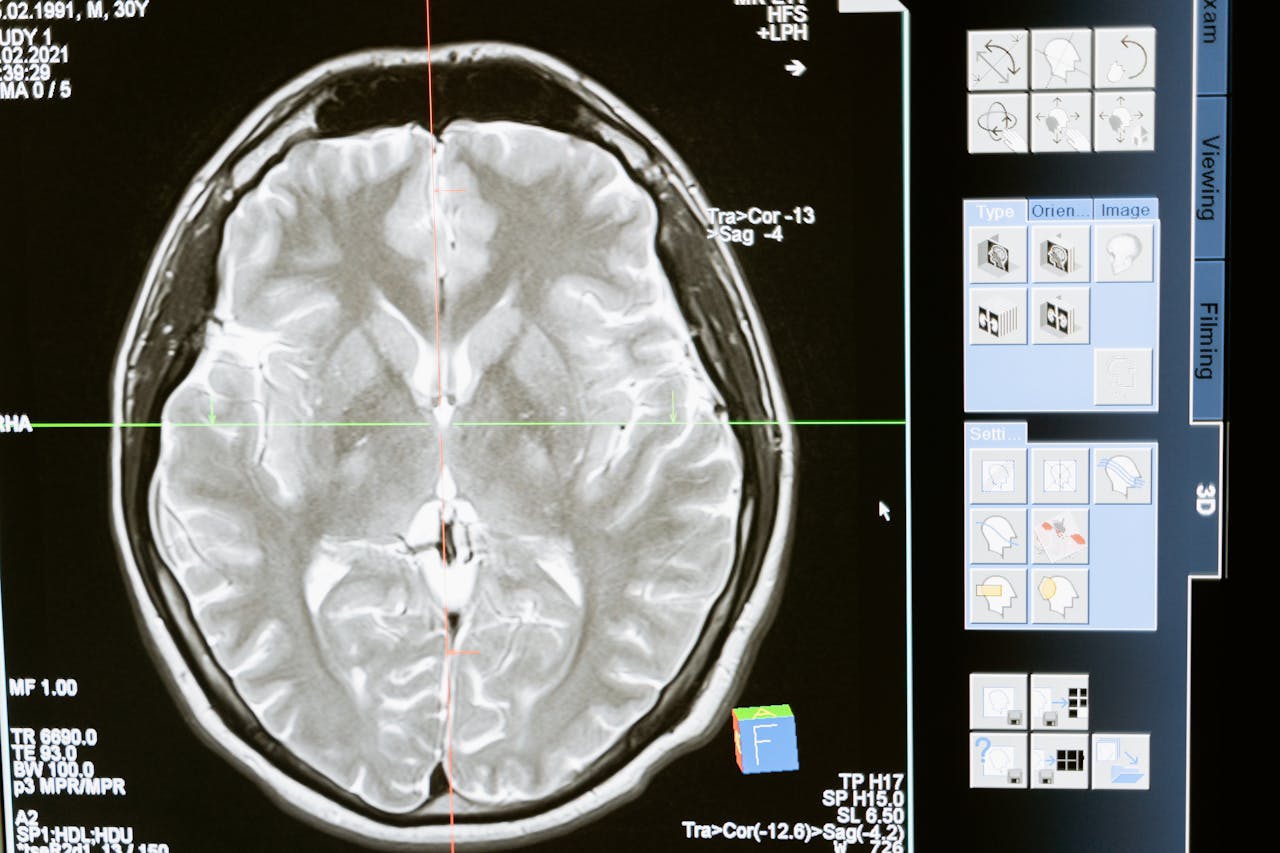 Continue reading →: Genes, Brains, and Behavior: Understanding the Genetic Blueprint of the Mind
The human brain, a complex neural network influenced by genetics and environment, is studied through neuroimaging technologies like fMRI. Research links genetic variations to emotions and disorders, revealing neurotransmitter roles in mood regulation. Understanding these can improve cognitive health interventions, personalize treatments, and enhance resilience against cognitive decline and mental…
-
 Continue reading →: Consciousness Unmade: Lessons from the Anesthetized Mind
Anesthesia exemplifies the profound relationship between consciousness and experience. It highlights a shift from awareness to unconsciousness, challenging our understanding of being. Philosophical frameworks like functionalism, panpsychism, and mysterianism explore consciousness, while neuroscience seeks to elucidate its neural correlates. Ultimately, anesthesia serves as a gateway to the essence of existence.
-
 Continue reading →: Liberty, Civility, and the Digital Age: Balancing Speech and Freedom
The content discusses the intricate relationship between diversity, freedom, and the challenges posed by language in the digital age. It emphasizes the importance of balancing openness and civility while addressing the impacts of the internet on expression, privacy, and justice. The interplay of words and actions remains vital in shaping…
-
 Continue reading →: Rediscovering Grace: Healing the Inner Child and Adult Within
Adolescence brings rebellion and confusion, hiding a deep desire for parental love. In adulthood, childhood patterns resurface, leading to inner conflict for some, necessitating therapy. True healing emerges through understanding reality, grace, and authentic connections, allowing individuals to reconcile their inner Child and Adult, fostering acceptance and renewal.
-
 Continue reading →: The Journey of Human Development: From Cognitive Growth to Creative Expression
Human development intricately combines cognitive, emotional, and spiritual dimensions. Influential thinkers like Piaget, Chomsky, and Cattell provide insights into growth, learning, and intelligence. As children progress through various developmental stages, they enhance their reasoning, language acquisition, and emotional skills. Supportive environments and spiritual nourishment are essential for overall well-being and…
-
 Continue reading →: Meeting the Dark Within: How to Heal What You Hide
The journey of self-awareness reveals uncomfortable qualities and emotions within us, termed the “shadow” by Carl Jung. Shadow work involves recognizing, integrating, and accepting these hidden aspects without judgment. Techniques like emotional awareness, feedback, and responsibility aid in transforming repressed traits into sources of strength, fostering personal growth and authenticity.
Hello,
I’m Vaibhav

I am a science communicator and avid reader with a focus on Life Sciences. I write for my science blog covering topics like science, psychology, sociology, spirituality, and human experiences. I also share book recommendations on Life Sciences, aiming to inspire others to explore the world of science through literature. My work connects scientific knowledge with the broader themes of life and society.
Let’s connect
Recent posts






Biology Brain Brain Health Business Cancer Consciousness diet Disease DNA Ecology Economics Emotions environment Evolution food Genes Genetics Health Human Human Anatomy human body Human Brain life Lifestyle Medical Medicine Mental Health Mind Mindfulness Nature Neurology Neuropsychology Neuroscience Nutrition Philosophy Psychology Science Self Care Self Help Social Social Media Society Sociology Stress Wellness