-
 Continue reading →: The Brain on Stress: How the Amygdala, Hormones, and Memories Interact
Stress triggers a primal response governed by the amygdala, activating a fight-or-flight mechanism that increases heart rate and alertness. While the immediate effects of adrenaline can enhance focus and memory, prolonged cortisol exposure can harm cognitive functions and memory retrieval. Balance is essential to mitigate stress’s detrimental effects on health…
-
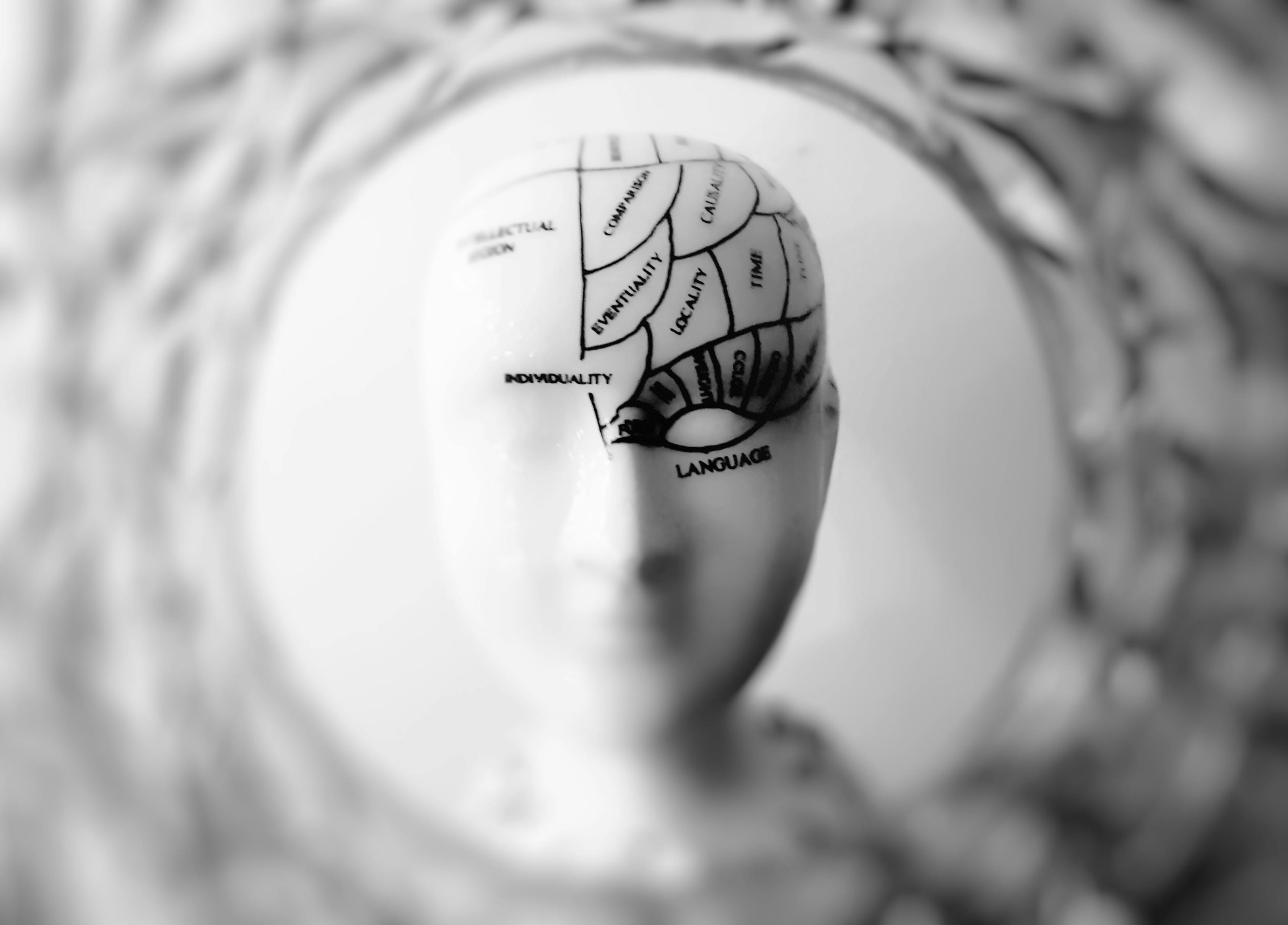 Continue reading →: Mysteries of the Mind: How the Brain Shapes Reality
The human brain is incredibly complex, shaping our perception of reality through various pathways and phenomena. It experiences phantom sensations post-amputation and can produce altered realities in brain-damaged patients. Neuroscience explores these intricacies, combining modular and holistic views, hinting at an expansive understanding of the mind yet to come.
-
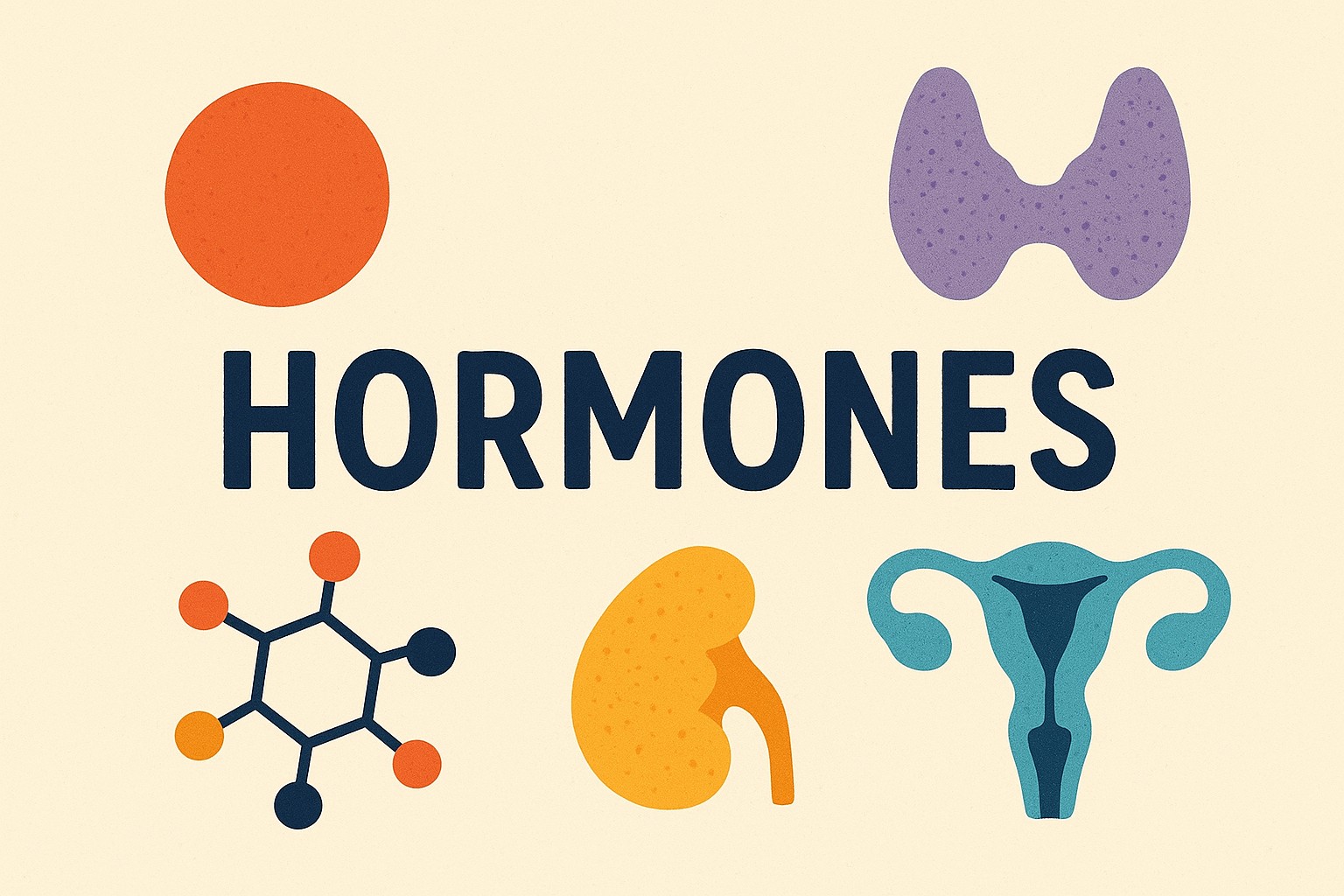 Continue reading →: The Science of Hormones: How Your Body’s Chemical Messengers Work
Hormones are critical messengers in the body, influencing metabolism, growth, and responses to stress. They work by binding to cell receptors, triggering complex reactions that modify gene expression. Hormones are regulated through feedback loops and linked with the nervous system, ensuring balance and optimal functioning in essential bodily processes.
-
 Continue reading →: Team Habits: Moving Mountains One Stone at a Time
Team habits shape organizational dynamics, influencing collaborative effectiveness. Small, intentional changes through habit sprints based on urgency and shared ownership foster progress and collective energy. By addressing pain points gradually, rather than pursuing sweeping alterations, teams build resilience. Focus on manageable improvements yields lasting results, enhancing belonging and productivity over…
-
 Continue reading →: The Meaning of Choice: Reflections on End-of-Life Care
The inevitability of death invokes fear, primarily due to concerns about suffering and loss of dignity. Conversations about end-of-life care, including advance planning and the ethics of euthanasia, are vital for easing this anxiety. Ultimately, the focus should be on quality of life, compassion, and living fully until the end.
-
 Continue reading →: The Body’s Balancing Act: How Our Cells Fight, Fail, and Sometimes Heal
Apoptosis is a vital process for cellular maintenance, eliminating damaged cells. Cancer cells resist this self-destruction, complicating treatment. The immune system, equipped to target abnormal cells, struggles due to cancer’s ability to disguise itself. Discoveries like the CTLA-4 checkpoint have led to immunotherapy breakthroughs, enhancing the immune response, though risks…
-
 Continue reading →: Slow vs Quick Happiness: Finding Balance in a Fast World
Human lifestyles have drastically changed, with only 7% of our time spent outdoors compared to 85% historically. This shift affects brain chemistry, increasing reliance on instant pleasures like social media and junk food, leading to dopamine spikes and crashes. Rediscovering “slow dopamine” through effortful activities fosters balance and resilience.
-
 Continue reading →: Breaking Down the Barriers of Music Jargon
Classical music criticism often alienates nonmusicians due to jargon, focusing too much on technicalities rather than emotional experiences. While terms like pitch and timbre are crucial, music should primarily be about how it resonates with listeners. The real essence lies in the emotional impact rather than mere theoretical analysis.
-
 Continue reading →: Understanding Psychology: The Science of Mind and Behavior
Psychology is the scientific study of the mind and behavior, blending biology and rigorous methods to explore love, learning, and identity. It encompasses theoretical and applied domains, analyzes the nervous system, and examines brain function. By understanding these connections, psychology aids in treating illnesses and enhancing human experiences.
-
 Continue reading →: Cultivating Happiness: Ancient Wisdom For Modern Life
This content explores how true happiness often emerges in moments of quiet reflection, especially noted during lockdowns. It emphasizes the importance of conscious attention, kindness, and moral virtue over mere pleasure or consumerism. Historical perspectives from ancient wisdom highlight that happiness is rooted in inner goodness and meaningful engagement with…
Hello,
I’m Vaibhav

I am a science communicator and avid reader with a focus on Life Sciences. I write for my science blog covering topics like science, psychology, sociology, spirituality, and human experiences. I also share book recommendations on Life Sciences, aiming to inspire others to explore the world of science through literature. My work connects scientific knowledge with the broader themes of life and society.
Let’s connect
Recent posts






Biology Brain Brain Health Business Cancer Consciousness diet Disease DNA Ecology Economics Emotions environment Evolution food Genes Genetics Health Human Human Anatomy human body Human Brain life Lifestyle Medical Medicine Mental Health Mind Mindfulness Nature Neurology Neuropsychology Neuroscience Nutrition Philosophy Psychology Science Self Care Self Help Social Social Media Society Sociology Stress Wellness