-
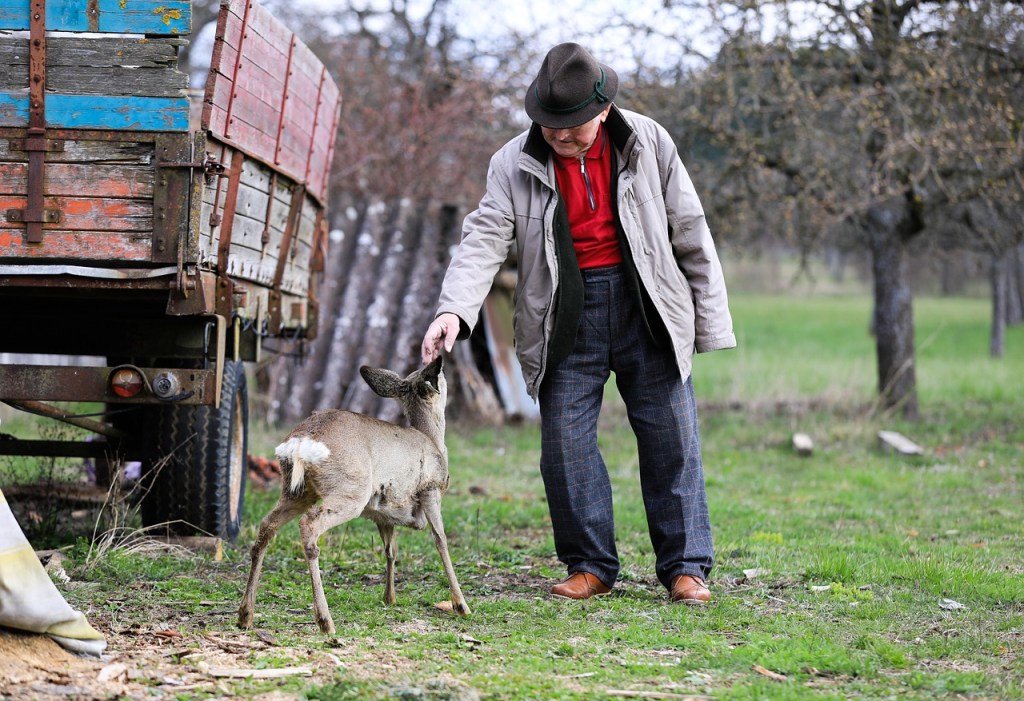 Continue reading →: The Role of Context in Human Behavior
The passage discusses the complexity of human personality, challenging the notion of fixed traits by emphasizing the impact of situational factors on behavior. It highlights how context influences actions, perceptions, and social dynamics, suggesting that character is a flexible bundle of tendencies rather than a stable set of traits, shaped…
-
 Continue reading →: Mindfulness Techniques for Clarity and Happiness
Our thinking processes play a crucial role in survival and problem-solving. Critical and creative thinking enhance our lives, while negative thoughts can hinder our well-being. Embracing core values provides clarity, reduces anxiety, and fosters fulfilling relationships. Mindfulness and focused actions help mitigate distractions, promoting happiness and mental wellness in daily…
-
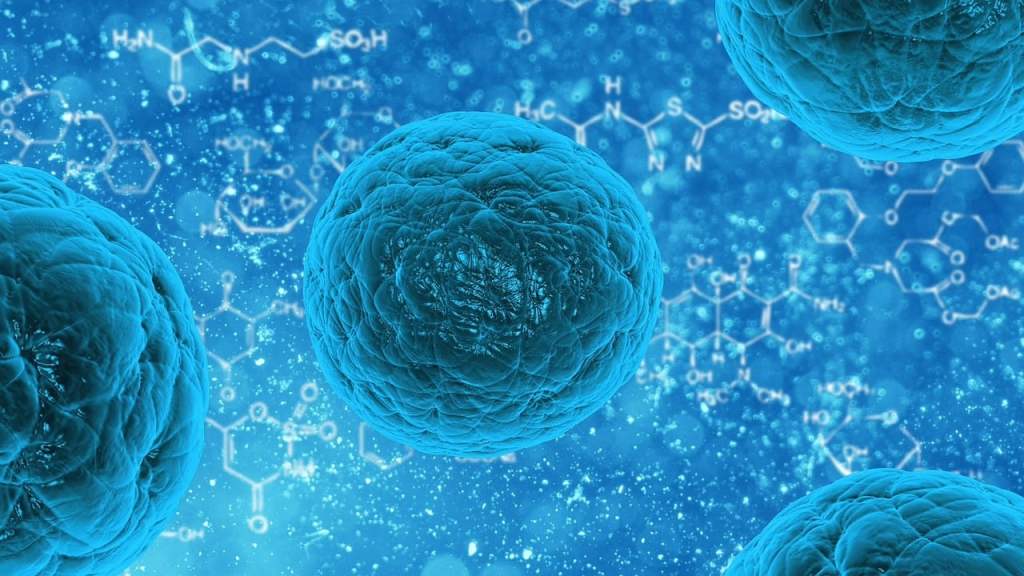 Continue reading →: Understanding Life Before Animals: Insights on Single-Celled Organisms
Around 600 million years ago, simple, worm-like animals without detailed physical characteristics evolved into the last common ancestors of various species, including mammals and cephalopods. Before animals, single-celled life dominated, displaying behaviors and cooperation, eventually pioneering social behavior like quorum sensing, facilitating complex interactions among organisms.
-
 Continue reading →: How Your Unique DNA Begins: A Journey from Conception
One week after conception, stem cells can become various body parts. Identical twins arise from these cells, sharing DNA, yet they may have differences. Non-identical twins result from separate fertilized eggs. The text explains chimeras and developmental stages, highlighting the specialization of cells that leads to distinct bodily functions as…
-
 Continue reading →: The Role of Vision in Understanding Our Reality
The text discusses the relationship between seeing and knowing, emphasizing how our perception is shaped by knowledge, belief, and context. It highlights that vision involves choice and is reciprocal, connecting us to a visible world. Images capture unique perspectives, serving as historical records that offer insight into past experiences and…
-
 Continue reading →: Understanding Empiricism: Laws of Idea Association
Empiricism, emerging in the seventeenth century, values sensory observation as knowledge. Hume outlines three laws of idea association: resemblance, contiguity, and cause-effect. He contrasts knowledge types and critiques the connection to moral conduct. In Germany, a lack of a bourgeois revolution differs from England and France. Hegel’s dialectic presents conflict…
-
 Continue reading →: Extinction Events and Evolutionary Adaptation
The content explores the theories of Lamarck and Cuvier regarding evolution and extinction, highlighting Lamarck’s notion of organisms adapting to their environments and passing down modifications. It also discusses Darwin’s insights on coral reefs and tortoise species extinction, emphasizing the significant impacts of catastrophic events on biodiversity throughout history.
-
 Continue reading →: The Importance of Compassion in Human Connections
Pity involves acknowledging someone’s suffering without emotional involvement, whereas empathy requires emotional connection and vulnerability. Co-working fosters collaboration through mutual consent. Self-reflection is essential for personal growth, enabling an understanding of one’s complexities. Caring for oneself is vital when supporting others, emphasizing the importance of maintaining personal well-being alongside care…
-
 Continue reading →: Global Economic Transformation: Embracing New Market Dynamics
The world is undergoing an economic transformation marked by new markets and partnerships, accelerated urbanization, and significant climate change. As societies age, countries attracting skilled workers will thrive, while demographic shifts create challenges like increasing elderly dependency ratios globally.
-
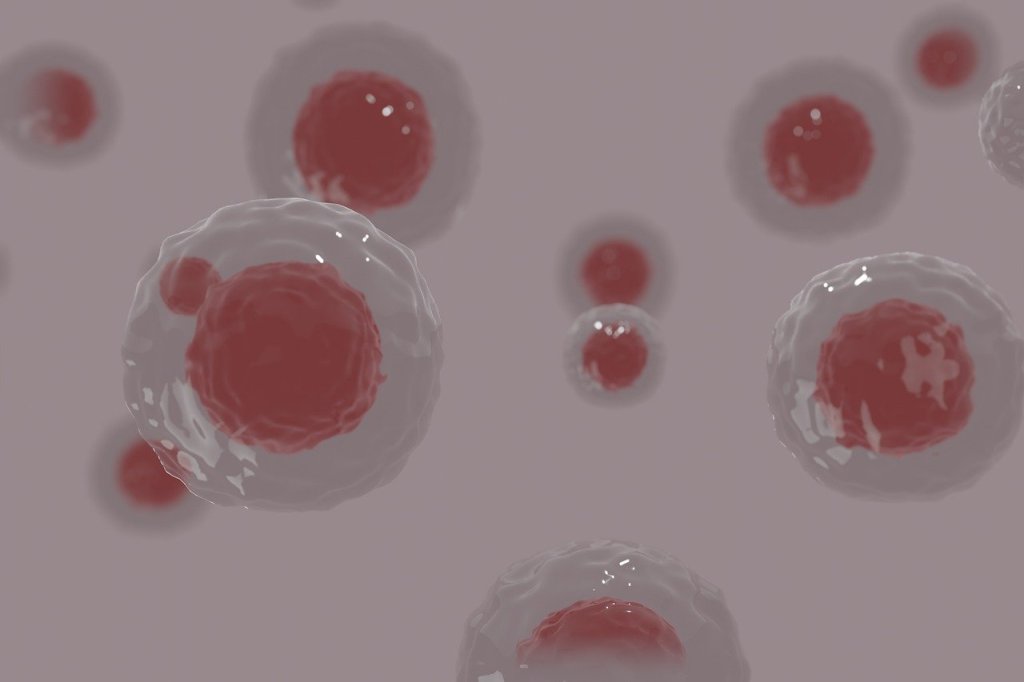 Continue reading →: The Science Behind Cancer Cell Growth
Cancer encompasses numerous diseases with various characteristics and origins. It arises from normal cells that grow uncontrollably due to genetic mutations affecting growth-regulating genes. Distinguishing cancer types aids treatment but emphasizes their unique traits rather than understanding cancer as a unified entity.
Hello,
I’m Vaibhav

I am a science communicator and avid reader with a focus on Life Sciences. I write for my science blog covering topics like science, psychology, sociology, spirituality, and human experiences. I also share book recommendations on Life Sciences, aiming to inspire others to explore the world of science through literature. My work connects scientific knowledge with the broader themes of life and society.
Let’s connect
Recent posts






Behavior Biology Brain Brain Health Business Consciousness diet Disease DNA Ecology Emotions environment Evolution food Genes Genetics Health Human Anatomy Human Brain life Lifestyle Marketing Medical Medicine Mental Health Mind Mindfulness Nature Neurology Neuropsychology Neuroscience Nutrition Philosophy Psychology Science self-care Self Help Social Social Media Society Sociology Spirituality Stress Technology wellness
 Thinking Beyond Science