-
 Continue reading →: Yoga Psychology and the Role of Food, Sleep, and Lifestyle in Meditation
Yoga psychology identifies four essential drives—food, sex, sleep, and self-preservation—that influence behavior. Effective meditation relies on managing these drives, especially through diet and a supportive atmosphere during meals. A light, healthful diet and mindful eating habits enhance meditation, while poor food choices and negative environments can disrupt focus and clarity.
-
 Continue reading →: Exploring Connectivity: How the 21st Century Has Transformed Our Understanding of the Brain
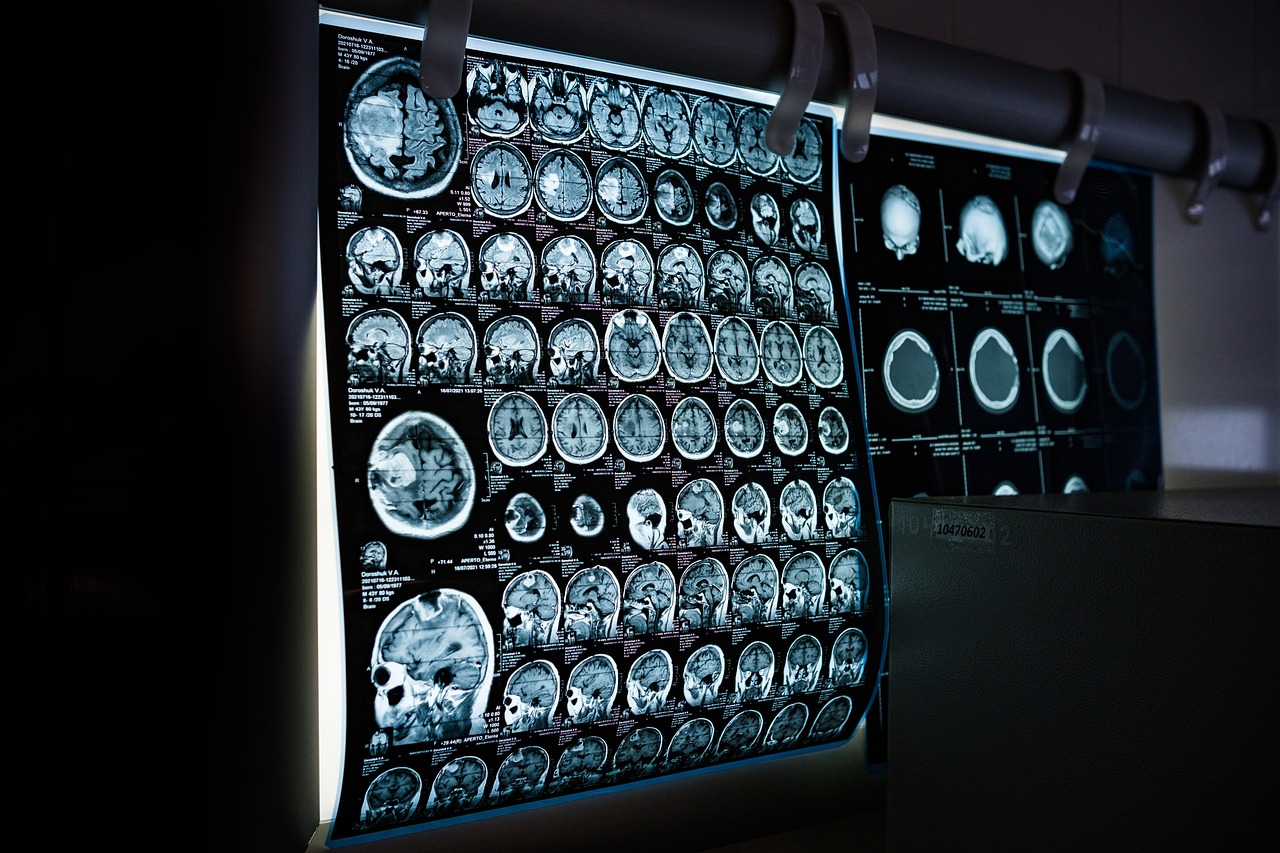
Neuroscience in the 21st century emphasizes brain connectivity over mere location identification. Techniques like diffusion tensor imaging and magnetoencephalography enhance our understanding of dynamic neural networks. This shift reveals the brain’s plasticity, multifunctionality, and intricate signaling, leading to breakthroughs in decoding complex thought processes and interactions with the world.
-
 Continue reading →: Anger and Stress: The Misunderstood Emotions We Choose – and How We Can Transform Them
Anger and stress are often misperceived as external burdens, but they stem from internal thought processes. Recognizing anger as a choice allows for a shift towards assertiveness, fostering healthier relationships. Likewise, addressing stress through self-awareness encourages resilience rather than escapism. Embracing these changes leads to inner peace and emotional well-being.
-
 Continue reading →: Is Reality Just a Brain-Crafted Illusion? The Neuroscience of Perception
For centuries, the nature of reality has puzzled philosophers. Modern neuroscience shows that our perceptions are illusions, shaped by our brains’ interpretation of sensory data. We do not experience the world directly but through a constructed reality optimized for survival, blending imperfections into coherent experiences, revealing our mind’s creative role…
-
 Continue reading →: The Pursuit of Longevity: Genetics, Disease, and the Lessons from Centenarians
The Four Horsemen of aging—heart disease, cancer, neurodegenerative disease, and type 2 diabetes—affect longevity and healthspan. Historical shifts in medicine from observation-based practices to germ theory have influenced understanding of disease. Genetic factors like APOE and FOXO3 play key roles in longevity, while AMPK regulates energy and cellular health.
-
 Continue reading →: The Hidden Costs of Sharing Space with Wildlife
Pet foxes can spread tapeworm eggs through their fur, causing infections in humans who act as intermediary hosts. Additionally, animals prefer cleanliness to avoid illness and signal fitness through their appearance. They create well-worn paths in the wild, which attract dangers like ticks. The behaviors of prey animals evolve to…
-
 Continue reading →: Why Biodiversity Matters for Planetary Health
Humans, as a burgeoning species, reflect the high-entropy phase of ecosystems but risk becoming prey for other organisms. Our ancient connection to forests highlights the vital role of woodlands in our past and future. Despite our growth, human actions threaten biodiversity and functioning ecosystems, challenging recovery from current extinctions.
-
 Continue reading →: The Socialized Self: How Society and Biology Shape Our Desires
Socialization shapes individuals to conform through rewards and punishments, aligning behavior with societal goals. Both pain and pleasure are tools of control, exploiting biological needs. True freedom arises when one resists reflexive responses and external rewards, instead finding meaning in present experiences and developing personal goals beyond social expectations.
-
 Continue reading →: How Gut Health Affects Hormones and Immunity
Researchers at Stanford University, led by Dr. Justin Sonnenberg, discovered that the gut’s mucus layer houses beneficial bacteria crucial for immunity and inflammation control. These bacteria thrive on dietary fiber, particularly prebiotics, promoting gut health and hormonal balance. Insulin resistance linked to poor diet can disrupt hormone levels, leading to…
-
 Continue reading →: The Impact of Mood Disorders on Emotional Well-Being
Mood disorders, such as depression, mania, and hypomania, affect many; they can lead to episodes of extreme emotional states and distorted perceptions. This instability often results in strained relationships and frustration. Additionally, appetite regulation intertwines biological and psychological factors, influencing eating behaviors and emotional states, highlighting the complexity of human…
Hello,
I’m Vaibhav

I am a science communicator and avid reader with a focus on Life Sciences. I write for my science blog covering topics like science, psychology, sociology, spirituality, and human experiences. I also share book recommendations on Life Sciences, aiming to inspire others to explore the world of science through literature. My work connects scientific knowledge with the broader themes of life and society.
Let’s connect
Recent posts






Biology Brain Brain Health Business Cancer Consciousness diet Disease DNA Ecology Economics Emotions environment Evolution food Genes Genetics Health Human Human Anatomy human body Human Brain life Lifestyle Medical Medicine Mental Health Mind Mindfulness Nature Neurology Neuropsychology Neuroscience Nutrition Philosophy Psychology Science Self Care Self Help Social Social Media Society Sociology Stress Wellness