-
 Continue reading →: The Role of Angiogenesis in Cancer Growth and Metastasis
The Hayflick limit indicates that normal cells can divide only 40-60 times before stopping, affected by telomere shortening. In contrast, cancer cells are immortal due to telomerase. Metastasis is lethal, responsible for most cancer deaths, making early detection crucial. Cancer cells also use inefficient energy pathways, differing from normal cells.
-
 Continue reading →: The Role of Cingulate Cortex in Emotion and Memory
The brain’s basal ganglia manage movement organization by selecting and inhibiting actions, while the cingulate cortex, part of the limbic system, is involved in emotions and memory. The cerebrum enables complex cognitive functions, and neural pathways adapt through experiences, showcasing the brain’s remarkable plasticity throughout life.
-
 Continue reading →: Understanding the Immune System and Stress Connection
If you have lost a parent to death, while you are a child, you risk depression for the rest of your life. It may arise from having been introduced at a premature age about death. Even at the fetal stage, your body learns about the natural world, metaphorically making lifelong…
-
 Continue reading →: Navigating Emotional Waves: Toxicity and Healing
Sensory inputs influence our emotions and memories, which can vary in positivity. Life’s challenges are universal, and everyone faces difficulties. Dealing with toxic behavior requires empathy or boundaries. Emotional independence is vital for mental health. Learning from the past enables us to write our future chapters, emphasizing self-awareness and positive…
-
 Continue reading →: Innate vs. Cultural Influences on Human Behavior
Moral predispositions influence social interactions from early childhood, shaping preferences for language and group identity. As children mature, their social choices reflect these early intuitions. The social context impacts brain development and decision-making, illustrating the intricate relationship between biology and culture, ultimately defining individual behavior and identity throughout life.
-
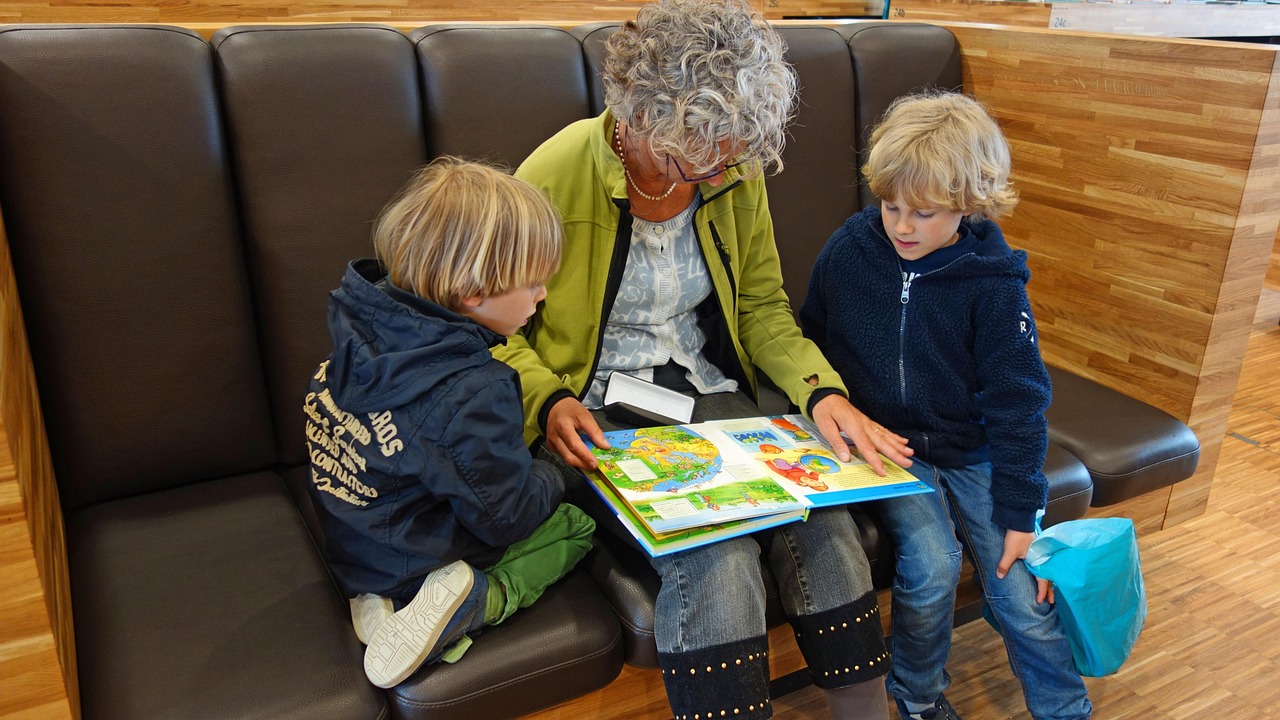 Continue reading →: Why Idleness is Essential for Child Development
The default mode network of the brain activates during idle states, facilitating unconscious connections that can lead to creativity and self-awareness. However, a culture of overachievement suppresses idleness, resulting in increased anxiety and depression in children. Idleness is essential for brain development, emotional processing, and fostering social interactions.
-
 Continue reading →: How Media Creates Perception of Risk
Unusual events like botulism receive excessive attention, skewing public perception of their rarity. Availability cascades arise from media amplification, prompting unnecessary panic. Stereotypes, though seen negatively, shape our understanding of categories. Predictions of rare events require high-quality information. Misuse of “know” obscures our true understanding of past events and future…
-
 Continue reading →: The Genetic Basis of Intelligence: Insights from Research
Cognitive function and psychiatric disorders are influenced by complex interactions between genetic, neurochemical, and environmental factors. Key systems include dopamine and CRF pathways, genes like DISC1 and NRG1, and brain regions such as the prefrontal cortex and parietal lobule. Intelligence is shaped increasingly by genetics as children develop.
-
 Continue reading →: Navigating the Ocean of Online Knowledge
The digital age offers vast access to knowledge, but it’s shaped by powerful private platforms like Google and Wikipedia. While enabling discovery, they also influence what we find, raising concerns about transparency, bias, and control. Knowledge remains a public good, yet increasingly governed by profit-driven, centralized gatekeepers.
-
 Continue reading →: Free Will and Evolution: Rethinking Human Behavior
The Default Mode Network supports non-conscious processes that can enhance conscious tasks. The concept of free will has negatively influenced civilization, masking empathy and limiting human potential. Consciousness evolved to help reduce entropy in survival, while dopamine pathways determine reward sensitivity, playing a crucial role in emotional behavior and cognition.
Hello,
I’m Vaibhav

I am a science communicator and avid reader with a focus on Life Sciences. I write for my science blog covering topics like science, psychology, sociology, spirituality, and human experiences. I also share book recommendations on Life Sciences, aiming to inspire others to explore the world of science through literature. My work connects scientific knowledge with the broader themes of life and society.
Let’s connect
Recent posts






Biology Brain Brain Health Business Cancer Consciousness diet Disease DNA Ecology Economics Emotions environment Evolution food Genes Genetics Health Human Human Anatomy human body Human Brain life Lifestyle Medical Medicine Mental Health Mind Mindfulness Nature Neurology Neuropsychology Neuroscience Nutrition Philosophy Psychology Science Self Care Self Help Social Social Media Society Sociology Stress Wellness