-
 Continue reading →: The Sixth Extinction: An Unnatural History by Elizabeth Kolbert
In “The Sixth Extinction,” Elizabeth Kolbert explores the impending sixth mass extinction driven by human activity, paralleling past extinction events. Through engaging prose and a blend of scientific research, she highlights the profound loss of biodiversity and challenges readers to reconsider humanity’s impact on the planet and its legacy.
-
 Continue reading →: Understanding Energy Transfer in Ecosystems
Schrödinger’s perspective highlights that life thrives on energy transformation while yielding inevitable waste. Organisms navigate complex relationships to access free energy. The text discusses thermodynamic principles governing both living systems and natural phenomena, such as hurricanes and oceanic currents, reflecting on Earth’s intricate energy dynamics and life’s dependence on these…
-
 Continue reading →: Why Zebras Don’t Get Ulcers by Robert M. Sapolsky
Robert M. Sapolsky’s updated edition of “Why Zebras Don’t Get Ulcers” explores the health impacts of stress, emphasizing its role in sleep, addiction, anxiety, and personality disorders. He highlights how chronic stress triggers harmful physiological responses, leading to diseases like heart disease and cancer, contrasting human and animal stress responses.
-
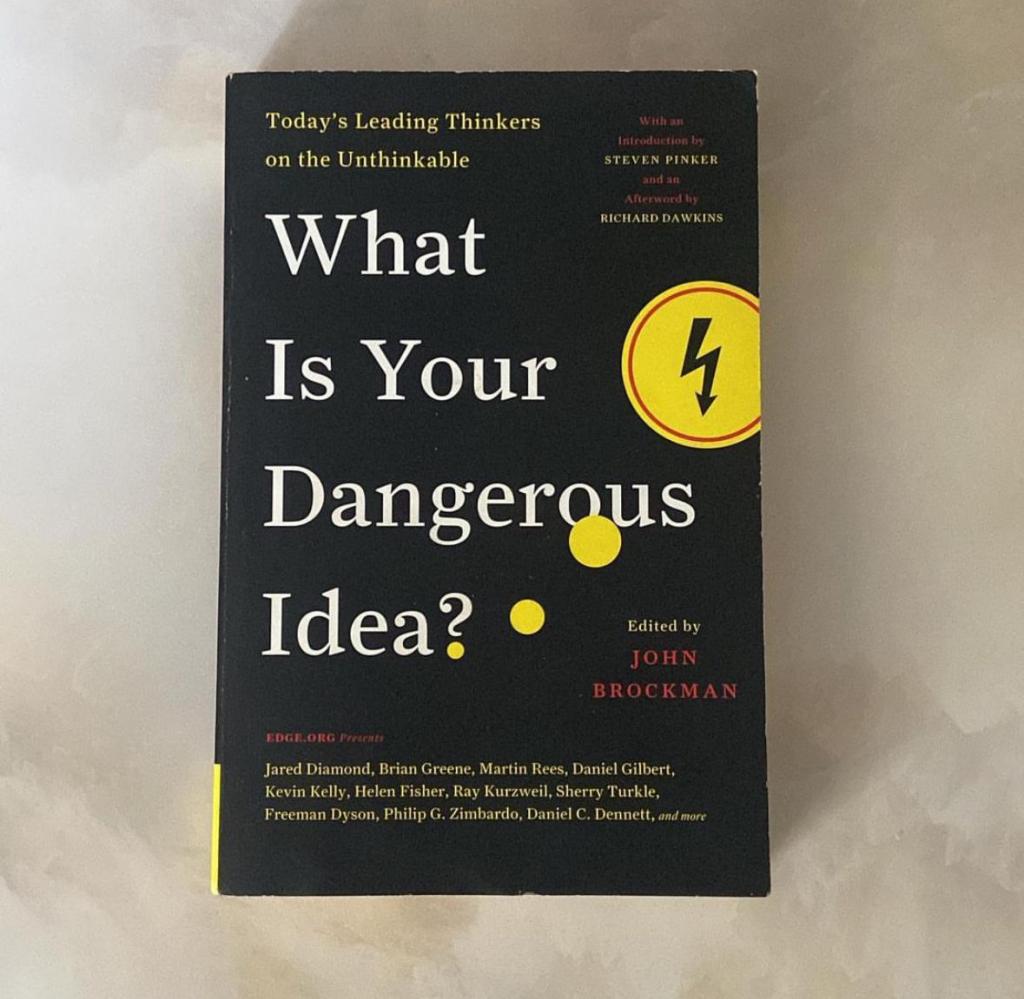 Continue reading →: What Is Your Dangerous Idea? : Today’s Leading Thinkers on the Unthinkable by John Brockman (Editor)
What’s Your Dangerous Idea? explores audacious concepts by leading thinkers like Richard Dawkins and Jared Diamond, examining ideas that could significantly impact our lives. Covering diverse topics from medical ethics to existential inquiries, the book showcases how challenging conventional beliefs can provoke profound societal and philosophical shifts.
-
 Continue reading →: God: A Human History by Reza Aslan
Reza Aslan’s book explores the human biography of God, blending history and personal beliefs. It examines the concept of a “humanized God” and traces early human belief in animism, supported by prehistoric cave art. Aslan emphasizes that the work is a historical investigation rather than a religious narrative.
-
 Continue reading →: The Secret to Happiness: Cultivating Inner Experience
Aristotle posited that the pursuit of happiness is fundamental to human existence, yet many feel unfulfilled despite material advancements. Happiness arises not from external factors but from the efforts we make and how we engage with challenges. Control over one’s inner experience, rather than external pursuits like wealth, is crucial…
-
 Continue reading →: The Brain: The Story of You by David Eagleman
Neuroscientist David Eagleman explores the essence of reality and identity within the brain’s intricate workings. He examines decision-making, social connections, and the impact of technology on humanity, venturing through diverse topics from extreme sports to robotics. This journey reveals profound insights about existence and personal awareness.
-
 Continue reading →: The Selfish Gene by Richard Dawkins
The book, published in 1976, by Dawkins is a thought-provoking and well-structured exploration of human behavior, challenging societal conventions. Its accessible presentation ensures lasting relevance. Over 40 years later, it remains a classic in science literature, appealing to readers who enjoyed works like Sapiens.
-
 Continue reading →: The Hidden Dangers of Chronic Inflammation
Over the past century, medicine has made significant advancements, shifting from infectious diseases to noncommunicable illnesses as primary death causes. However, brain disorders remain challenging, with conditions like ADHD affecting millions and raising concerns about medication consequences. Chronic inflammation is linked to various diseases, mood disorders, and diet misconceptions, particularly…
-
 Continue reading →: The Role of Dopamine in Brain Health and Disorders
The content discusses the intersections of mental and physical health, particularly focusing on dopamine’s role in conditions like Parkinson’s disease and schizophrenia. It explores the brain’s vulnerability, neurotransmitter functions, and discusses catatonia as a symptom linked to various mental disorders, emphasizing the complex relationship between biology and psychology.
Hello,
I’m Vaibhav

I am a science communicator and avid reader with a focus on Life Sciences. I write for my science blog covering topics like science, psychology, sociology, spirituality, and human experiences. I also share book recommendations on Life Sciences, aiming to inspire others to explore the world of science through literature. My work connects scientific knowledge with the broader themes of life and society.
Let’s connect
Recent posts






Behavior Biology Brain Brain Health Business Consciousness diet Disease DNA Ecology Emotions environment Evolution food Genes Genetics Health Human Anatomy Human Brain life Lifestyle Marketing Medical Medicine Mental Health Mind Mindfulness Nature Neurology Neuropsychology Neuroscience Nutrition Philosophy Psychology Science self-care Self Help Social Social Media Society Sociology Spirituality Stress Technology wellness
 Thinking Beyond Science