-
 Continue reading →: Brain’s Grief Secret: Knowing and Hoping
Grief illustrates the brain’s capacity to hold conflicting beliefs: the awareness of death and the hope for a loved one’s return. This duality manifests through episodic memories of loss and persistent, implicit attachments that shape our thoughts and emotions. Understanding this complexity helps normalize the grieving process as a result…
-
 Continue reading →: Stress: Your Brain’s Role in Immunity and Cancer
Psychoneuroimmunology (PNI) illustrates the interconnectedness of the brain, immune system, hormones, and emotions, impacting health, including cancer. Stress activates the HPA axis, influencing hormone levels that can promote cancer development. Emotional repression and chronic stress disrupt immune responses and apoptosis, essential for cancer prevention and overall health, highlighting mind-body interactions.
-
 Continue reading →: Why Boards Can’t Ignore Company Crises
The last two decades have seen numerous corporate failures, highlighting the critical role of boards of directors in guiding companies. While successful corporations drive societal progress and job creation, they face challenges due to shifting values, economic pressures, and talent shortages. Boards must adapt to these complexities to ensure corporate…
-
 Continue reading →: Zoonoses: The Hidden Threat from Animals Driving Our Deadliest Outbreaks
Over 60% of infectious diseases are zoonotic, originating from animals. Human activities such as urban expansion, wildlife contact, and increased animal farming heighten transmission risks. Notable diseases like HIV and Ebola stem from zoonoses. While vaccines show promise, challenges persist due to misinformation and antibiotic resistance, demanding adaptive strategies for…
-
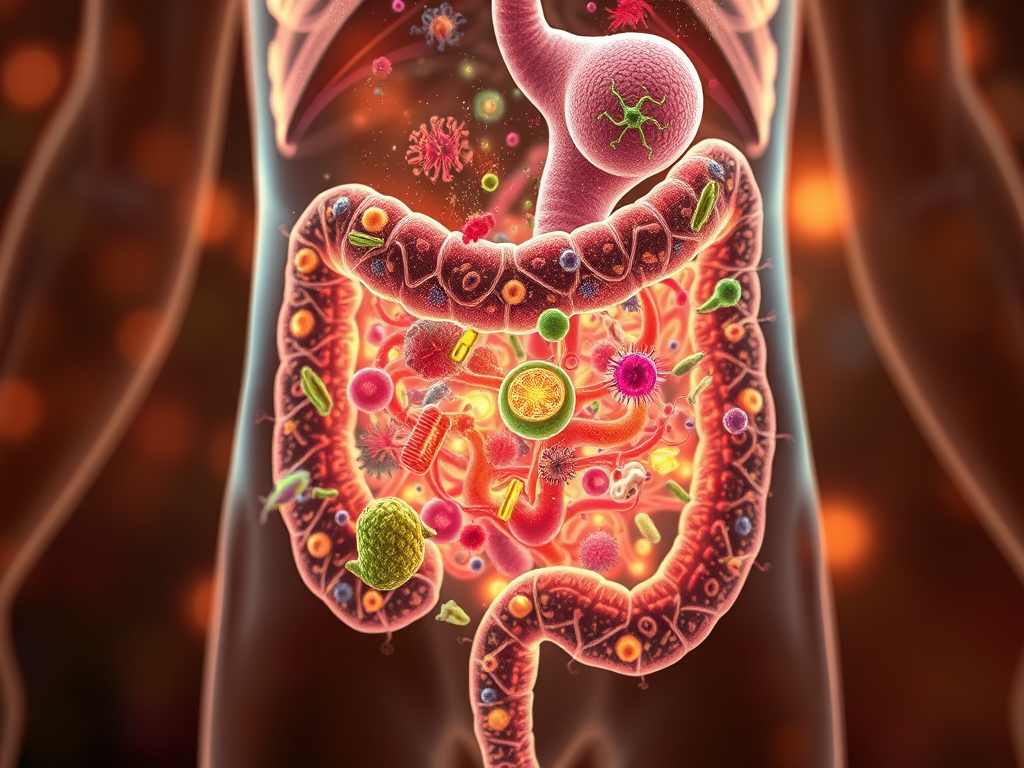 Continue reading →: Inside Your Gut: Bacteria, Mood, and Health
Your intestines contain over 100 trillion beneficial microbes, essential for digestion, immunity, and mental health. This microbiome influences emotions and food choices, with imbalances leading to issues like dysbiosis and leaky gut. Maintaining gut health is vital for overall well-being, as it impacts both body and mind significantly.
-
 Continue reading →: Unlocking the Future: How Gene Editing Targets Hemoglobin Disorders
Red blood cells are crucial for oxygen transport, powered by hemoglobin. Genetic disorders like sickle cell disease and thalassemias lead to severe complications due to faulty genes. Gene editing offers hope for treatment, targeting mutations effectively. Challenges remain in delivery and immune response, but advancements could transform lives afflicted by…
-
 Continue reading →: The Brain’s Stress Switch: Why We Procrastinate, Crave Crises, and Need Exercise
The brain utilizes norepinephrine and dopamine to enhance focus, especially in individuals with ADHD, who often thrive under stress but may struggle with procrastination and self-sabotage. Chronic stress, regulated by cortisol, affects memory and energy levels, as modern lifestyles clash with ancestral activity levels. Exercise emerges as a vital solution…
-
 Continue reading →: Brain Phantoms: Mapping the Invisible Body
The human brain not only processes but creates perceptions of reality, resembling the Penfield Homunculus, which illustrates how body sensations map onto the somatosensory cortex. Phantom limb sensations demonstrate brain remapping, while learned paralysis shows how prior movements become ingrained. The dynamic nature of brain maps causes sensory confusion, pain,…
-
 Continue reading →: How Hormones Keep Your Body in Perfect Balance
Hormones regulate bodily functions through precise feedback loops that maintain balance. Negative feedback loops control production levels, while positive loops amplify hormone release during specific events, such as breastfeeding. Hormones work with various systems, ensuring homeostasis, with different half-lives affecting their duration in the bloodstream for effective regulation.
-
 Continue reading →: The Power of Belonging: How Connection Fuels High-Performance Teams
Belonging is essential for team cohesion, enabling individuals to contribute authentically and confidently. It enhances communication, readiness, and retention by fostering trust and honesty. When teams acknowledge the whole person, they build stronger connections, leading to better collaboration. Cultivating belonging ultimately drives performance and creates a supportive workplace culture.
Hello,
I’m Vaibhav

I am a science communicator and avid reader with a focus on Life Sciences. I write for my science blog covering topics like science, psychology, sociology, spirituality, and human experiences. I also share book recommendations on Life Sciences, aiming to inspire others to explore the world of science through literature. My work connects scientific knowledge with the broader themes of life and society.
Let’s connect
Recent posts






Behavior Biology Brain Brain Health Business Consciousness diet Disease DNA Ecology Emotions environment Evolution food Genes Genetics Health Human Anatomy Human Brain life Lifestyle Marketing Medical Medicine Mental Health Mind Mindfulness Nature Neurology Neuropsychology Neuroscience Nutrition Philosophy Psychology Science self-care Self Help Social Social Media Society Sociology Spirituality Stress Technology wellness
 Thinking Beyond Science