-
 Continue reading →: Global Health Challenges: Disease Eradication, Emerging Threats, and the Role of International Cooperation
At the moment, the International Task Force for Disease Eradication has identified eight possibilities: Guinea worm, also known as dracunculiasis, poliomyelitis (polio), mumps, rubella, lymphatic filariasis, cysticercosis, measles, and yaws. Politically speaking, governments worldwide need to care about the disease, its impact, and possible harm; eradication efforts need to be…
-
 Continue reading →: Improving at Work: Focusing on Methods and Core Capabilities
An important question is to determine what areas you have to get better in and how you get better in those areas. Let us say you are trying to get healthier. What would you assess at the end of a few months to know if you are indeed getting healthier?…
-
 Continue reading →: Biofeedback Therapy and the Impact of Sitting on Digestive Health
Childbirth can cause tearing of the delicate nerve fibers that allow the two muscles to communicate with each other. The good news is that those nerves can heal and reconnect. Irrespective of whether the damage was caused by childbirth or some other way, one good treatment option is what doctors…
-
 Continue reading →: How Early Farming and Genetic Manipulation Shaped Human Civilization
Scientists throughout the world have been debating the power of gene editing and particularly its potential to change the genetic sequence of a human for eternity. Biologists, ethicists, lawyers, regulators and politicians have been working together, trying to explore the implications of these new tools, and to develop frameworks for…
-
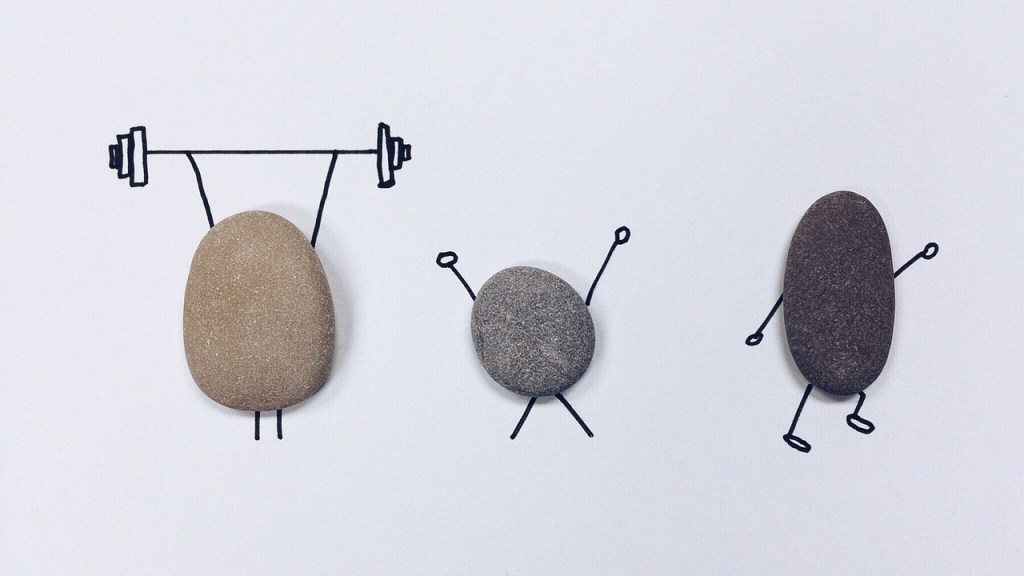 Continue reading →: The Mind-Body Connection: How Exercise Shapes Brain Plasticity and Function
Neuroscientists have just begun studying exercise’s impact within brain cells-at the genes themselves. Even there, in the roots of our biology, they’ve found signs of the body’s influence on the mind. It turns out that moving our muscles produces proteins that travel through the bloodstream and into the brain, where…
-
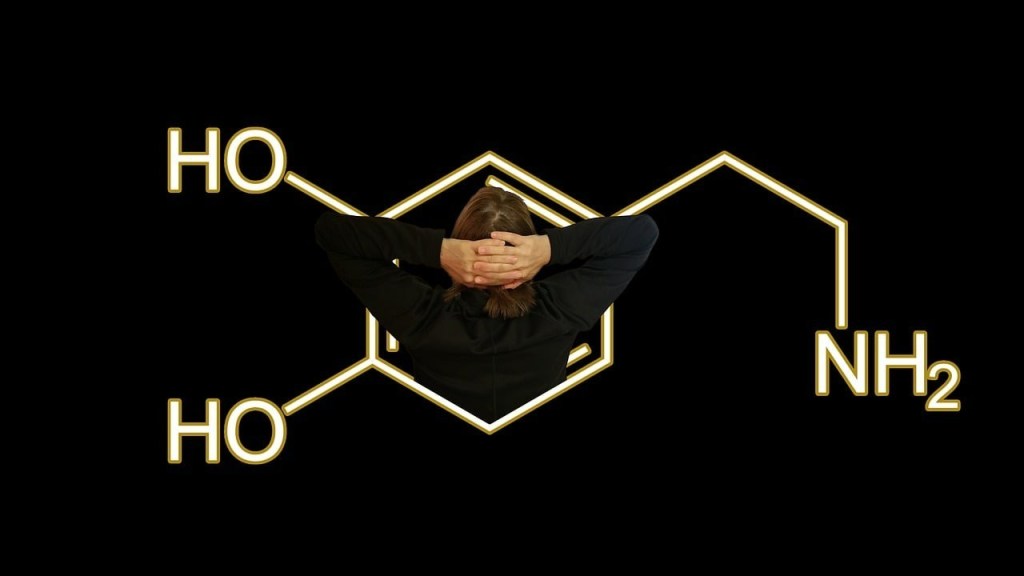 Continue reading →: The Role and Function of Hormones in the Endocrine System
When you move your arm, a nerve impulse is sent from your brain to the muscles in your arm through a series of nerves. While the contraction of a muscle cell is very physical, other cellular activities that need regulation, such as metabolism, are chemical in nature. Therefore a second…
-
 Continue reading →: Listening Lessons : Enhancing Our Communication Skills
It is remarkable that we are never taught how to breathe or how to listen. Certainly with respect to breathing, there is more and more awareness of lessons on how to breathe properly. With respect to listening, the lessons are few and far between. The human ear is a strange…
-
 Continue reading →: Facing the Unspoken: Understanding the Modern Taboo of Death and Dying
The trouble is, whereas birth, love and even bereavement are widely discussed, death itself has become increasingly taboo. Not knowing what to expect, people take their cues instead from vicarious experiences: television, films, novels, social media and the news. These sensationalized yet simultaneously trivialized versions of dying and death have…
-
 Continue reading →: The Heart's Mechanics: Understanding Heart Function, Failure, and Surgical Interventions
A normal human heart has a “conical screwing motion” by which the blood is effectively pushed from apex to the base and finally to the aorta to be circulated in the body smoothly. But in patients with cardiomyopathy and heart failure, the heart becomes dilated excessively. It looks like a…
-
 Continue reading →: The Evolutionary Roots of Human Consumption: Understanding Behavior Through Psychological Mechanisms
All human behavior owes its existence to psychological mechanisms in conjunction with environmental inputs to those mechanisms. Psychological mechanisms, at some fundamental level, owe their existence to evolution by natural and sexual selection. Consequently, all fields that deal with human behavior will become more deeply illuminated by understanding underlying evolved…
Hello,
I’m Vaibhav

I am a science communicator and avid reader with a focus on Life Sciences. I write for my science blog covering topics like science, psychology, sociology, spirituality, and human experiences. I also share book recommendations on Life Sciences, aiming to inspire others to explore the world of science through literature. My work connects scientific knowledge with the broader themes of life and society.
Let’s connect
Recent posts





Behavior Biology Brain Brain Health Business Consciousness diet Disease DNA Ecology Emotions environment Evolution food Genes Genetics Health Human Anatomy Human Brain life Lifestyle Marketing Medical Medicine Mental Health Mind Mindfulness Nature Neurology Neuropsychology Neuroscience Nutrition Philosophy Psychology Science self-care Self Help Social Social Media Society Sociology Spirituality Stress Technology wellness
 Thinking Beyond Science