-
 Continue reading →: The Role of B and T Cells in Cancer Immunotherapy
Innate immune cells respond to common pathogens like bacteria and viruses, using cytokines to summon reinforcements. Adaptive immunity, featuring B and T cells, provides tailored responses to new threats, including cancer. Vaccines train these cells by exposing them to harmless antigens, enhancing their readiness to combat diseases effectively.
-
 Continue reading →: Evolutionary Insights into Music and Emotions
William Forde Thompson suggests that artists and scientists share similar developmental stages in their work, emphasizing creativity and interpretation. Music, an ancient and ubiquitous aspect of human culture, impacts emotions and connections. The evolving understanding of the brain and neuroscience sheds light on music’s significance, revealing insights into human nature…
-
 Continue reading →: The Connection Between Mind and Body Health
The content emphasizes the critical connection between mind management and a healthy lifestyle. Despite a wealth of wellness advice, mental health issues persist, exacerbated by toxic stress and lifestyle choices. Proper mind-management skills are essential for improving both mental and physical health, as unprocessed knowledge can lead to detrimental outcomes.
-
 Continue reading →: Understanding the Essence of a Sentence
The definition of a sentence remains elusive, but it acts as a sealed vessel for meaning, consisting of a subject and predicate. Sentences resonate with rhythm and sound, intertwining form and content. Skilled writers recognize the significance of each sentence, which reflects their unique voice, akin to a birdwatcher’s instinctual…
-
 Continue reading →: How Brain Integration Affects Your Child’s Behavior
Parents often excel in understanding their children’s physical needs but frequently lack knowledge about their child’s brain. The brain’s different parts influence behavior, emotions, and decision-making. Integration of these parts is crucial for healthy development. Experiences shape brain structure, impacting emotional intelligence and resilience, highlighting the importance of supportive parenting.
-
 Continue reading →: Overcoming Information Overload: Strategies for Clarity
In today’s information-saturated environment, many people accumulate content without effectively applying it, leading to anxiety and distractions. The concept of the “commonplace book” can help individuals synthesize knowledge thoughtfully. Modern note-taking should shift from mere retention to active engagement, enhancing both personal understanding and professional productivity.
-
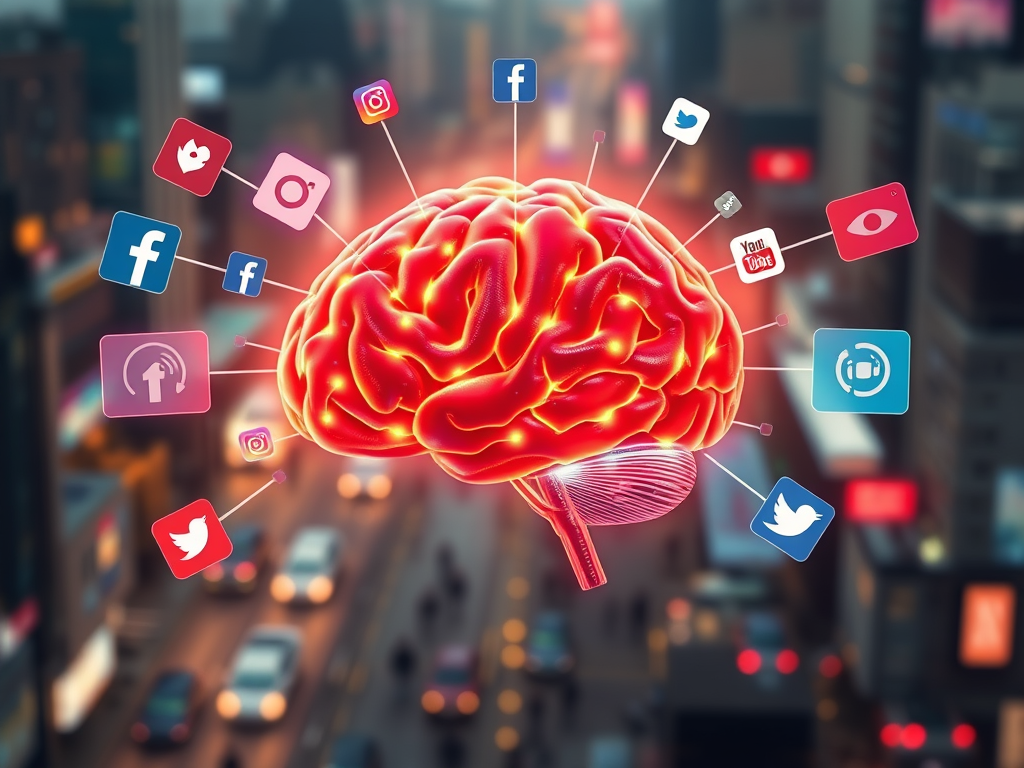 Continue reading →: How Social Media Hijacks Your Dopamine Response
Dopamine is a neurotransmitter driving our motivation to pursue rewards, yet it is misunderstood as a pleasure chemical. This perpetual craving can lead to overstimulation and addiction, as seen in behaviors like gambling, social media use, and food consumption. The modern environment exploits this by desensitizing us, reinforcing our search…
-
 Continue reading →: How Trauma Shapes Our Memories and Lives
The human brain comprises layers representing conscious thought, emotions, and instincts. While memories shape our identity and understanding, traumatic events can lead to lasting psychological issues like PTSD. Traumatic memories can disrupt daily life, manifesting through guilt or fear, with emotional trauma causing symptoms akin to physical injuries.
-
 Continue reading →: How Writing Shapes Our Brain and Culture
The text explores how our mental and social adaptation to new technologies, particularly writing and reading, has influenced our understanding of nature and knowledge transmission. It discusses the evolution of writing systems, from ancient tokens to phonetic alphabets, and the impact of these changes on cognitive processes and cultural identity.
-
 Continue reading →: Understanding Emotional Styles: The Building Blocks of Emotion
Emotional states are brief reactions to experiences, while moods last longer and emotional traits characterize individuals over time. Emotional Style, shaped by specific brain circuits, influences these emotional responses through six dimensions: Resilience, Outlook, Social Intuition, Self-Awareness, Sensitivity to Context, and Attention, which collectively define our emotional lives.
Hello,
I’m Vaibhav

I am a science communicator and avid reader with a focus on Life Sciences. I write for my science blog covering topics like science, psychology, sociology, spirituality, and human experiences. I also share book recommendations on Life Sciences, aiming to inspire others to explore the world of science through literature. My work connects scientific knowledge with the broader themes of life and society.
Let’s connect
Recent posts






Biology Brain Brain Health Business Cancer Consciousness diet Disease DNA Ecology Economics Emotions environment Evolution food Genes Genetics Health Human Human Anatomy human body Human Brain life Lifestyle Medical Medicine Mental Health Mind Mindfulness Nature Neurology Neuropsychology Neuroscience Nutrition Philosophy Psychology Science Self Care Self Help Social Social Media Society Sociology Stress Wellness