-
 Continue reading →: How Adaptation Affects Our Happiness and Choices
After being dismissed from Disney, Jeffrey Katzenberg won $280 million and co-founded DreamWorks SKG, creating Shrek, which humorously critiques Disney. The content also explores human adaptation to various sensations and the limitations of hedonic adaptation, illustrating how we often misjudge our future happiness related to new experiences and possessions.
-
 Continue reading →: How Group Dynamics Influence Decision Quality
Groups can demonstrate remarkable collective intelligence, often surpassing individual capabilities, even with limited rationality and information. This “wisdom of crowds” affects various aspects of life and decision-making. However, to harness this potential, groups need diversity, independence, and appropriate structures, as too much consensus can hinder overall intelligence.
-
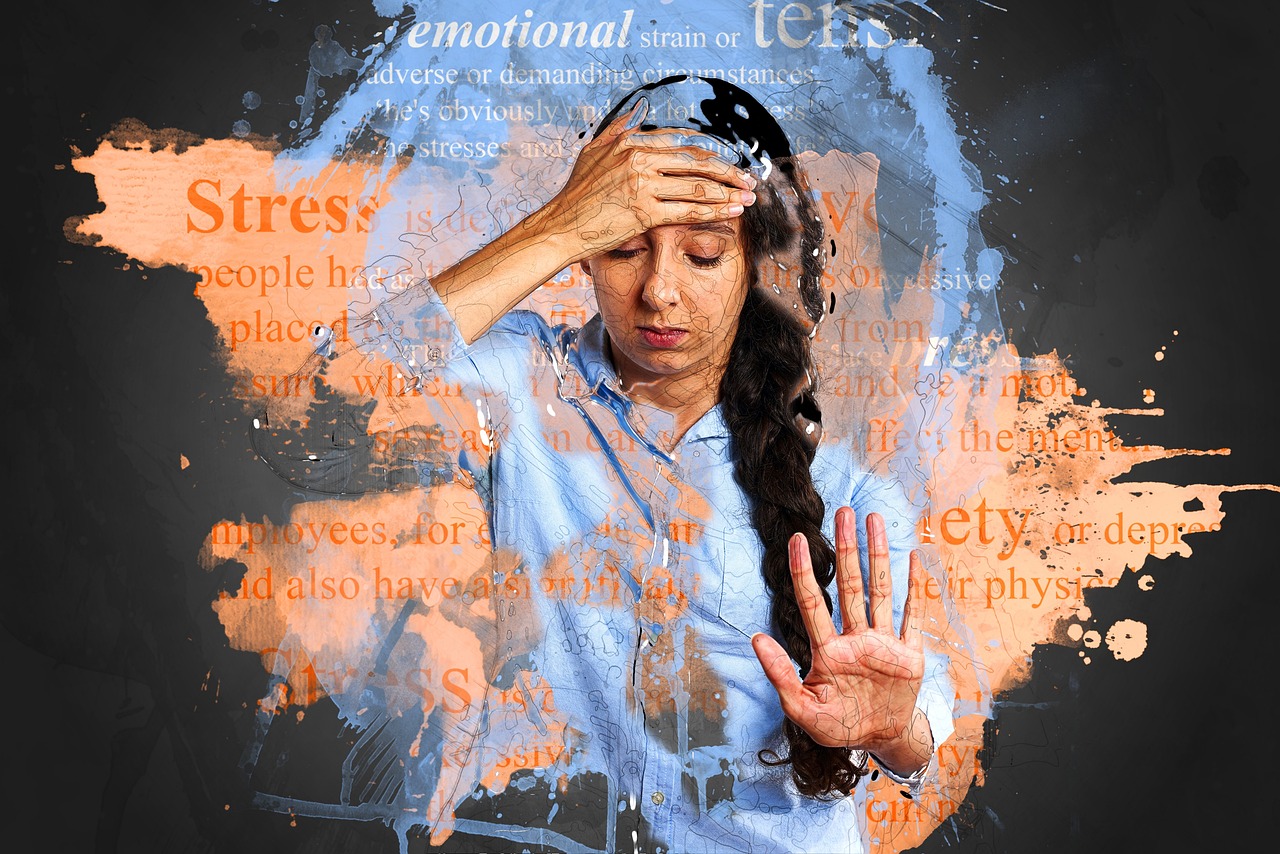 Continue reading →: The Science Behind the Stress Response
Stress comprises three components: the stressor, the processing system (especially the brain), and the stress response involving physiological changes. Individual perception of stress varies based on personal history and psychological state. Hormones like cortisol mediate the response, impacting various bodily systems and influencing health outcomes, including immune function and skeletal…
-
 Continue reading →: The Power of Quality Touches in Sales
Successful B2B sales require a significant number of quality interactions to close deals. It typically takes twelve touches, with seven being quality interactions. Trust, first impressions, and proper follow-up techniques play vital roles in managing leads. Utilizing CRM tools and effective email strategies enhances communication, fostering professional persistence and rapport…
-
 Continue reading →: Understanding Communicable vs Non-Communicable Diseases
Diseases are classified as communicable or non-communicable, with communicable diseases spread between individuals, while non-communicable diseases do not. Understanding epidemiology is vital for controlling outbreaks and epidemics. Key terms include clusters, pandemics, and latent periods, crucial for disease transmission and the development of effective public health strategies.
-
 Continue reading →: Understanding Saliva’s Role in Oral Health
The sublingual papillae produce saliva crucial for oral health. Saliva’s calcium content can lead to tartar buildup, promoting bacteria that cause decay. Saliva also contains opiorphin, a natural painkiller. During sleep, saliva production declines, allowing bacteria growth. Regular brushing and chewing stimulate saliva, reducing bad breath and oral discomfort.
-
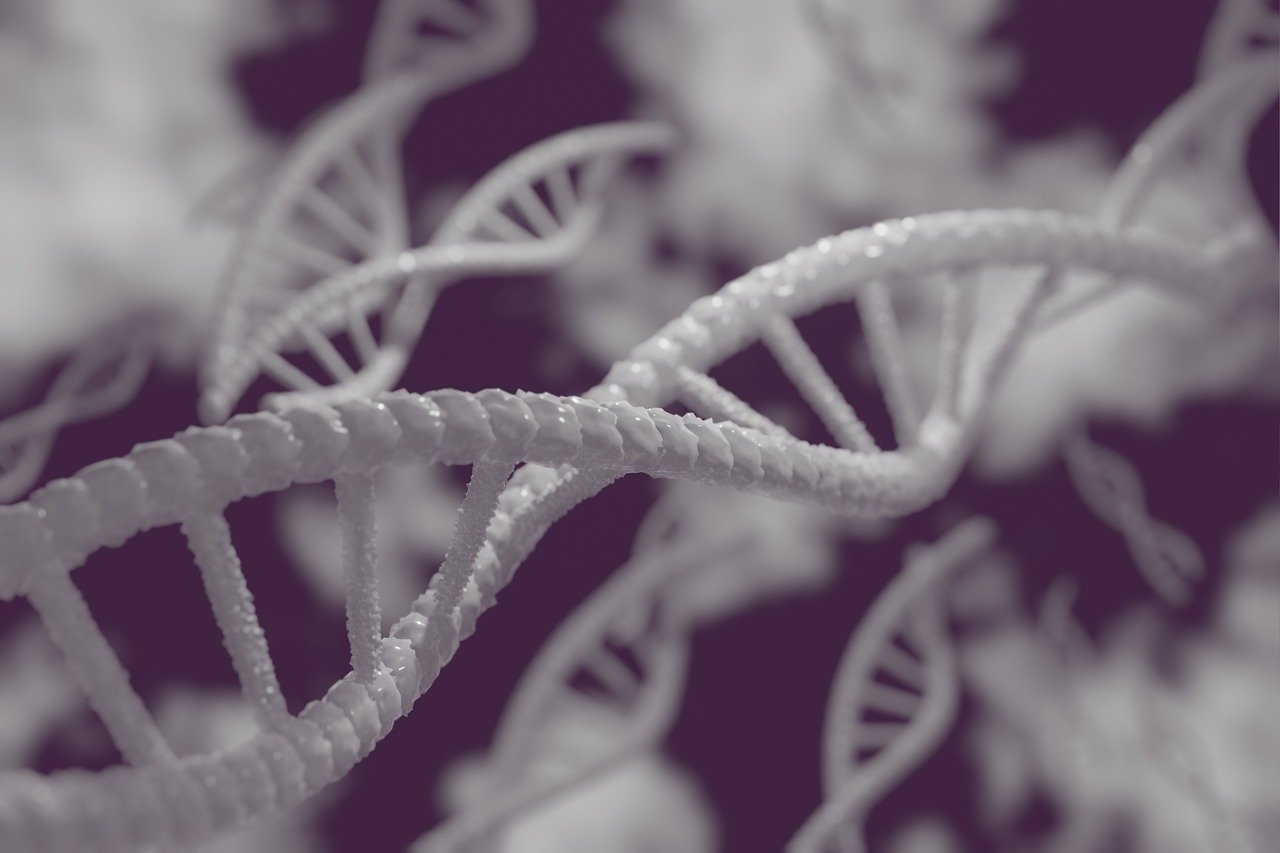 Continue reading →: The Basics of Gene Editing: Mechanism and Impact Explained
Gene editing utilizes guide RNA and a cutting protein to target and modify specific DNA sequences. The guide RNA binds to a matching DNA region, enabling the protein to act as scissors, cutting the DNA. This damage prompts cellular repair mechanisms, leading to potential gene inactivation, which can enhance genetic…
-
 Continue reading →: The Brain’s Evolution: Learning and Memory Explained
The content discusses how the human brain evolved to develop complex cognitive skills essential for survival, implicating various brain regions like the prefrontal cortex and hippocampus in learning processes. It emphasizes the role of physical exercise in enhancing neurogenesis through hormones like BDNF, IGF-1, VEGF, and FGF-2, boosting cognitive functions…
-
 Continue reading →: Understanding Hormones: From Single-Celled Organisms to Complex Life
Hormones originated from chemical signals secreted by single-celled bacteria to communicate and coordinate activities. As organisms evolved, hormones adapted, influencing development and interactions. They are classified by structure, including peptide, steroid, and amine hormones, each with varying affinities for water or fat, impacting their functions and transport within the body.
-
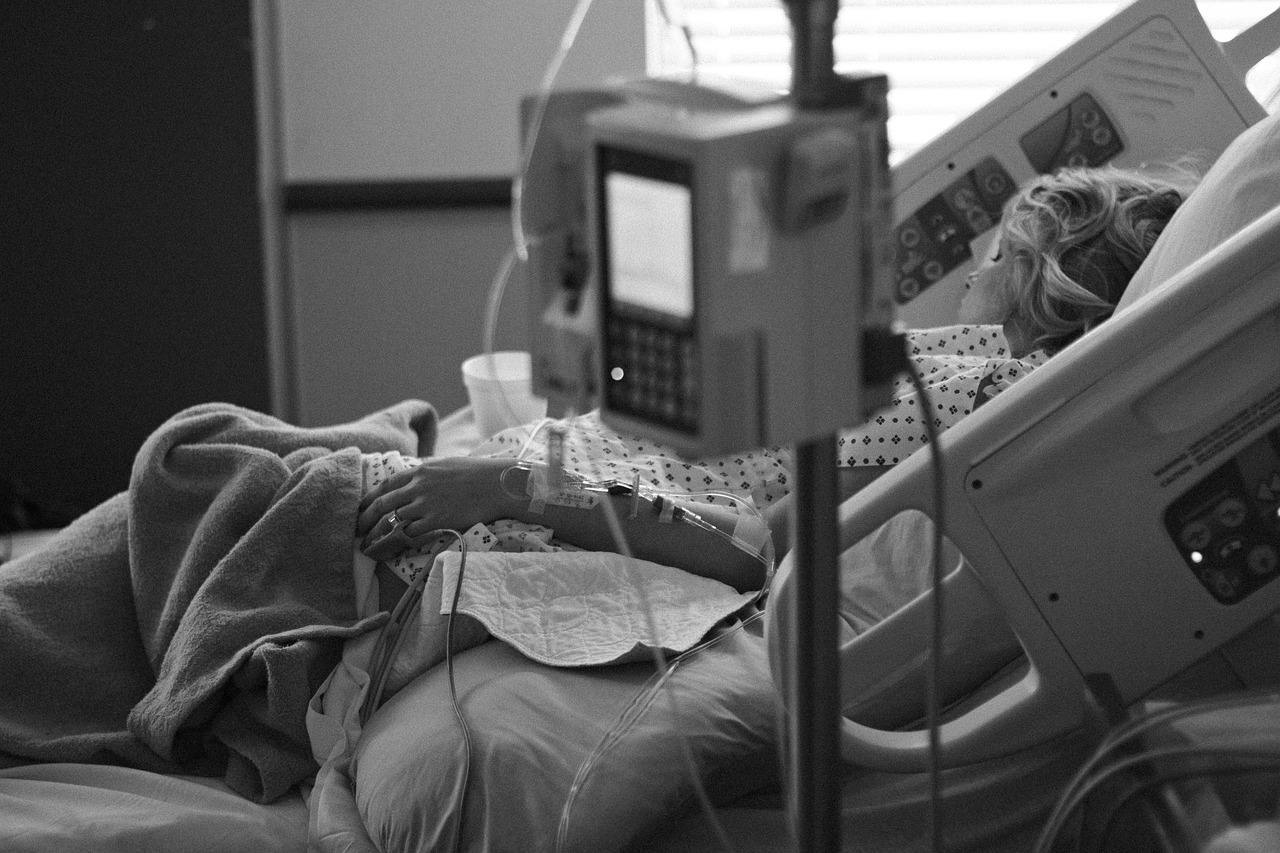 Continue reading →: Coping Mechanisms in Palliative Care: Navigating Emotional Challenges
The text discusses the dynamics of deathbed vigils in palliative care, emphasizing the varied emotional responses of families and staff. It highlights human resilience in coping with illness and the importance of individualized support for patients. Additionally, it addresses the complexities of denial and its effects on emotional well-being and…
Hello,
I’m Vaibhav

I am a science communicator and avid reader with a focus on Life Sciences. I write for my science blog covering topics like science, psychology, sociology, spirituality, and human experiences. I also share book recommendations on Life Sciences, aiming to inspire others to explore the world of science through literature. My work connects scientific knowledge with the broader themes of life and society.
Let’s connect
Recent posts






Biology Brain Brain Health Business Cancer Consciousness diet Disease DNA Ecology Economics Emotions environment Evolution food Genes Genetics Health Human Human Anatomy human body Human Brain life Lifestyle Medical Medicine Mental Health Mind Mindfulness Nature Neurology Neuropsychology Neuroscience Nutrition Philosophy Psychology Science Self Care Self Help Social Social Media Society Sociology Stress Wellness