-
 Continue reading →: Understanding Evolutionary Economics
Evolutionary Economics examines how economies evolve as complex adaptive systems shaped by human nature’s adaptations from the Paleolithic era. It explores the transition from hunter-gatherer societies to various political and economic structures, emphasizing the self-organization of culture and economy as emergent properties of individual actions within shifting environments.
-
 Continue reading →: The Power of Branding: Connecting Values with Consumers
Branding embodies a company’s core values and influences customer perception through various experiences. Effective branding fosters emotional connections, making brands memorable and referral-worthy. Patterns help create familiarity, while contrasts maintain interest. Ultimately, strong brands exceed their physical assets’ value, driving loyalty and ensuring long-term success through consumer engagement.
-
 Continue reading →: How Familiarity Shapes Our Digital Experiences
Advertisers must continually refresh their ads to maintain engagement, as our brains balance familiarity and novelty. This exploration/exploitation trade-off shapes our interactions with technology, leading to skeuomorphs that connect new innovations with past designs. Human creativity thrives through the interplay of automated and mediated behaviors, enabling us to imagine possibilities…
-
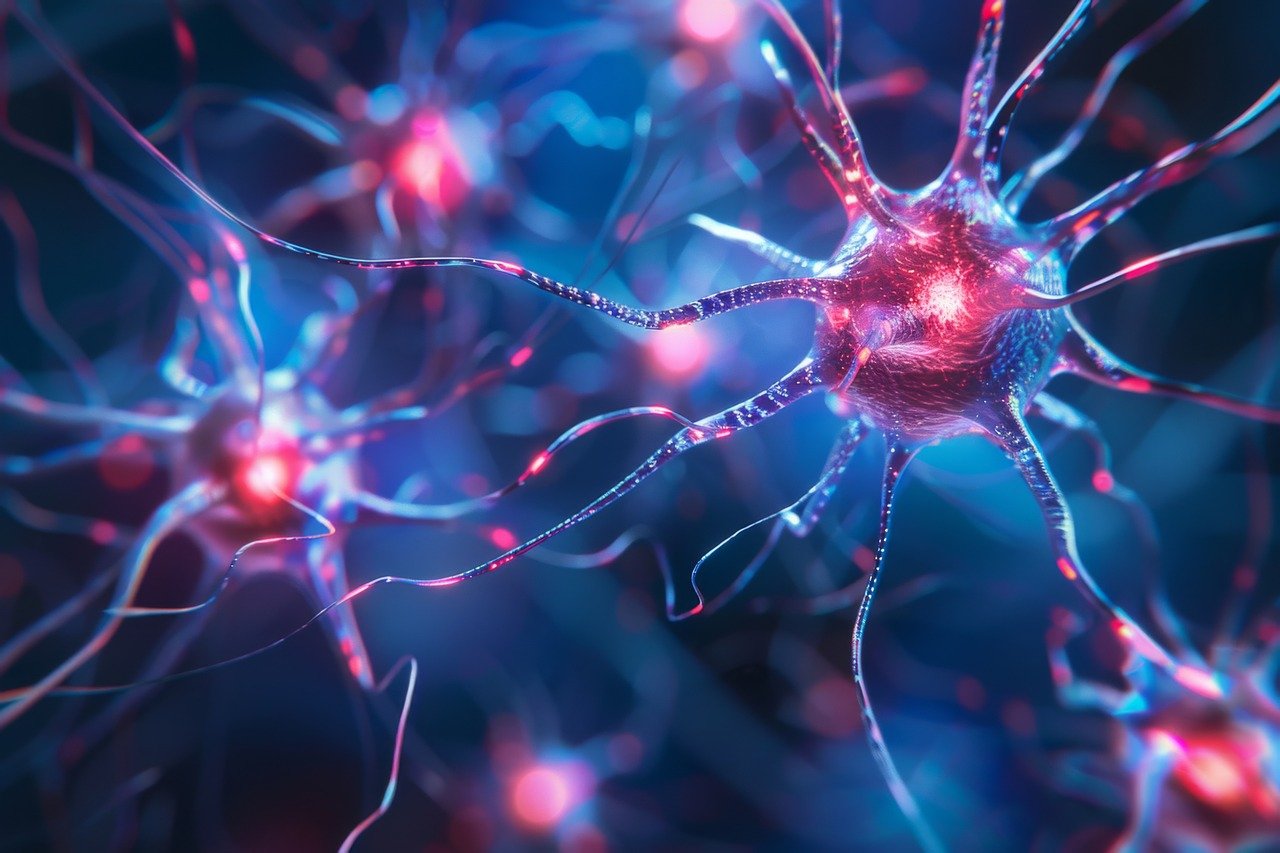 Continue reading →: How Neurons Communicate: Excitation and Inhibition
The nervous system comprises the central nervous system and the peripheral nervous system. Neurons communicate via excitatory and inhibitory signals, with synapses facilitating this interaction. Plasticity affects learning and memory, particularly in aging. Engaging in new skills, like language learning, can enhance memory by activating the brain’s plasticity control systems.
-
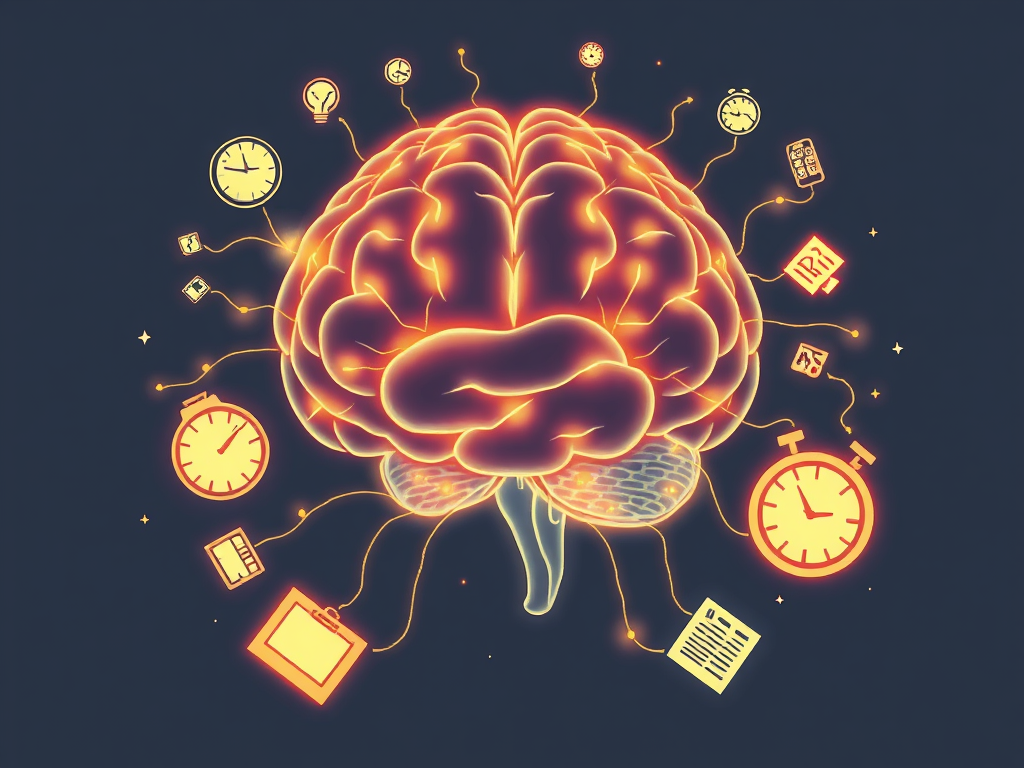 Continue reading →: Understanding the Role of Forgetting in Memory
Memory involves a complex process of encoding, consolidation, storage, and retrieval, primarily facilitated by the hippocampus. Forgetting can be a natural part of memory function, not simply an obstacle. Understanding how memories are created and processed can help navigate common errors and improve memory retention, despite the inherent challenges of…
-
 Continue reading →: The Role of Mindfulness in Overcoming Suffering
The four foundations of mindfulness—body, feelings, mind, and objects of mind—help cultivate awareness amidst life’s unsatisfactoriness. Mindfulness training distinguishes ordinary thinking from heightened awareness, enhancing equanimity. Understanding the brain’s dual-processing system aids in recognizing how thoughts and emotions impact perception, leading to greater clarity and reduced suffering.
-
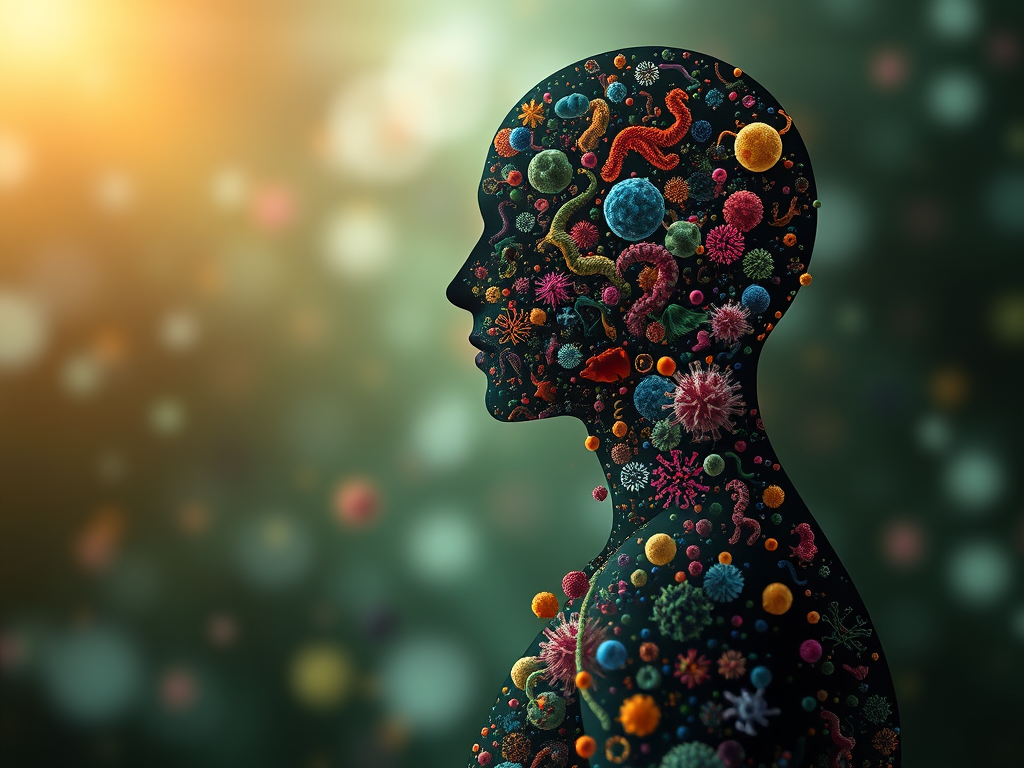 Continue reading →: The Role of Microbes in Human Health
The human body is a superorganism composed of our cells and an immense community of microbes, primarily bacteria, which outnumber our own cells ten to one. This microbiota enhances our biological functions and plays a crucial role in digestion. Microbes have co-evolved with humans, providing essential services throughout our lives.
-
 Continue reading →: Achieving Balance: The Key to Happiness and Growth
Greatness transcends surface-level achievements, requiring purpose, humility, and happiness. True self-love balances acceptance and personal growth. The Law of Vibration asserts that reality corresponds to our vibrational state; harmony attracts similar energies. Positive emotions foster good vibrations, influencing our experiences and encouraging a fulfilling life while negative emotions attract undesirable…
-
 Continue reading →: The Brain’s Impact on Learning and Wellbeing
The content explores the complexities of adolescent brain development and its role in learning and mental health. It contrasts nostalgic perceptions of youth with the challenges teenagers face, emphasizing that examination pressures during a unique cognitive growth phase may be misguided. The interconnectedness of physical wellness and mental health is…
-
 Continue reading →: Understanding the Impact of Trauma on Our Lives
Human resilience allows us to recover from trauma, yet effects linger across generations, impacting emotions, relationships, and biology. Trauma alters brain functions and responses to threats, making healing complex. Therapeutic avenues include communication, medication, and bodily experiences. Ultimately, understanding and community support are crucial for recovery and well-being.
Hello,
I’m Vaibhav

I am a science communicator and avid reader with a focus on Life Sciences. I write for my science blog covering topics like science, psychology, sociology, spirituality, and human experiences. I also share book recommendations on Life Sciences, aiming to inspire others to explore the world of science through literature. My work connects scientific knowledge with the broader themes of life and society.
Let’s connect
Recent posts






Biology Brain Brain Health Business Cancer Consciousness diet Disease DNA Ecology Economics Emotions environment Evolution food Genes Genetics Health Human Human Anatomy human body Human Brain life Lifestyle Medical Medicine Mental Health Mind Mindfulness Nature Neurology Neuropsychology Neuroscience Nutrition Philosophy Psychology Science Self Care Self Help Social Social Media Society Sociology Stress Wellness