-
 Continue reading →: The Intricacies of Human Birth: A Natural Phenomenon
Polio primarily affects children under five, causing paralysis by attacking specific nerve cells, particularly in the spinal cord. The delivery process in humans involves significant physiological changes and risks, leading to potential complications during childbirth. These risks include hemorrhage and obstruction, making childbirth historically perilous for mothers and infants.
-
 Continue reading →: The Power and Pitfalls of Rapid Cognition
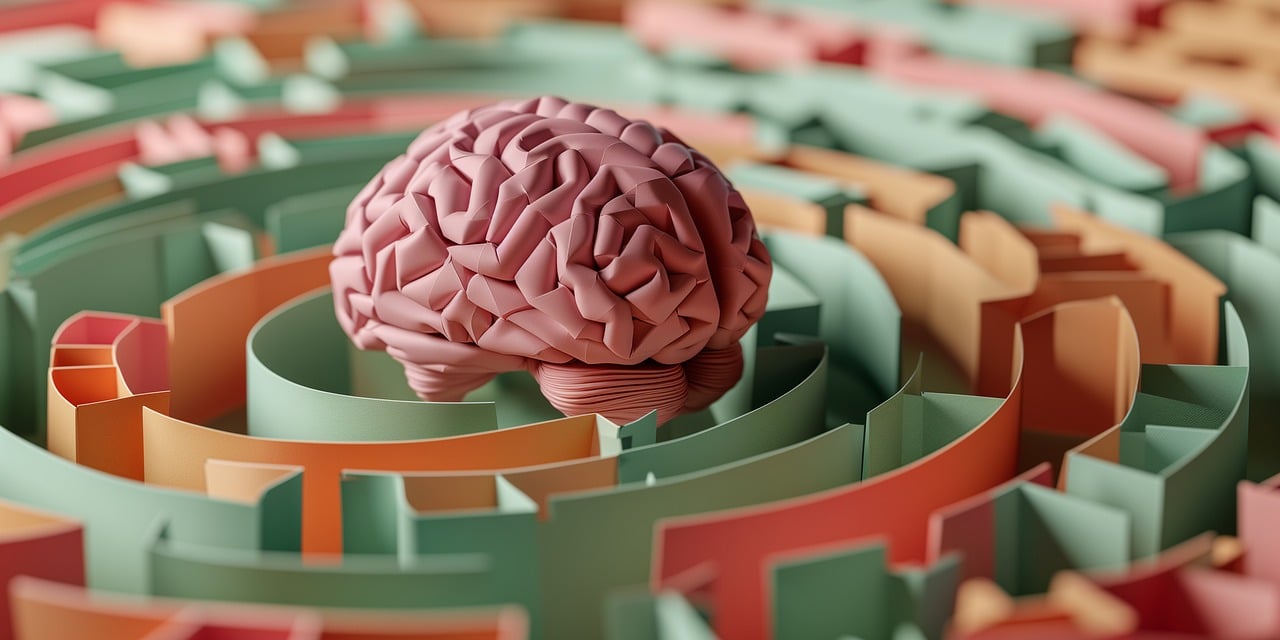
The adaptive unconscious, a key aspect of modern psychology, facilitates rapid decision-making by processing information quickly, contrasting Freud’s murky unconscious. While this allows for effective snap judgments, it can also lead to errors and biases, such as prejudice. Understanding these mechanisms reveals the dual nature of instinctive responses in human…
-
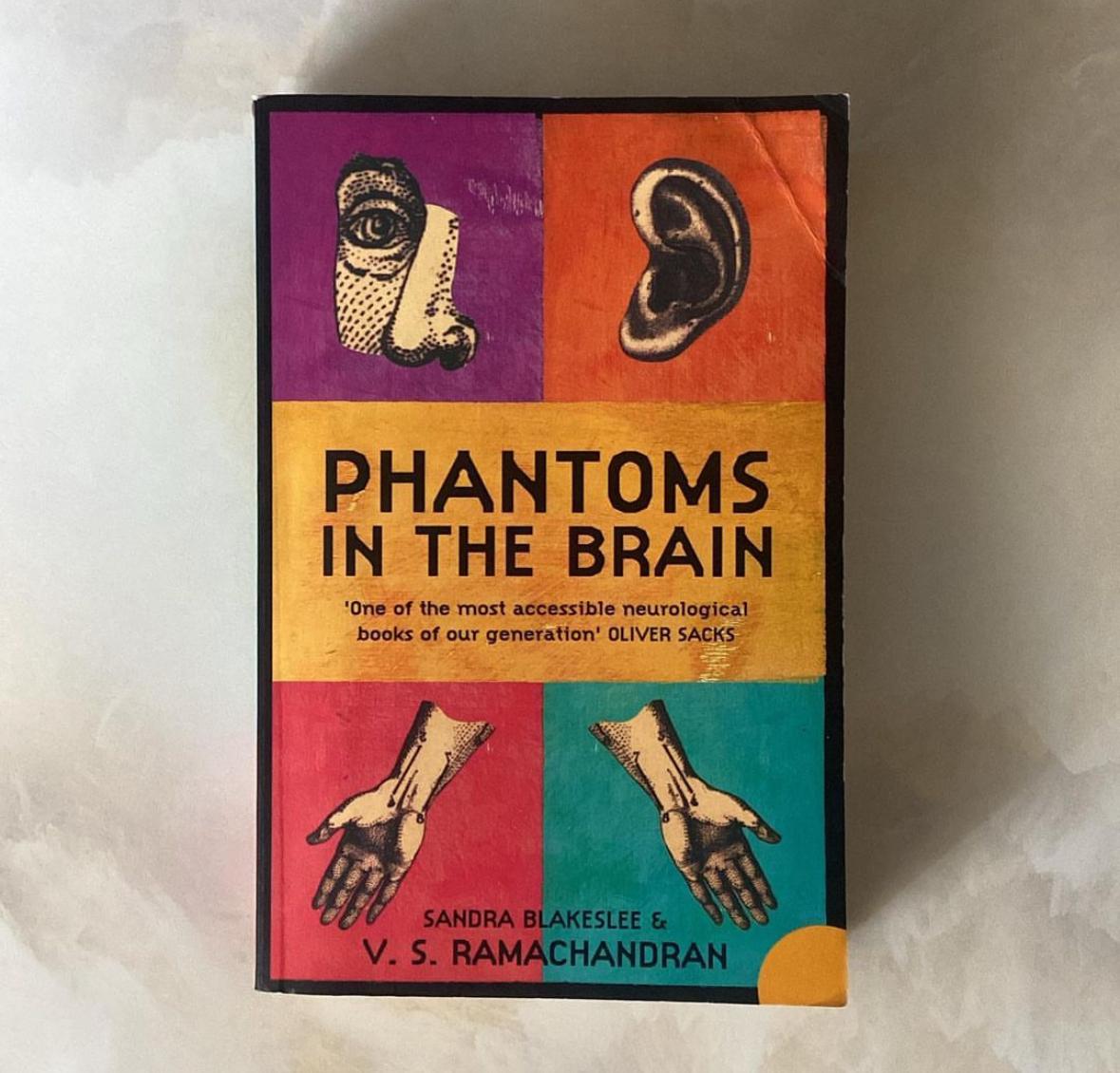 Continue reading →: Phantoms in the Brain: Probing the Mysteries of the Human Mind by V.S. Ramachandran, Sandra Blakeslee
Neuroscientist V.S. Ramachandran explores complex questions about human nature in “Phantoms in the Brain,” using simple experiments to investigate bizarre neurological disorders. His findings offer insights into consciousness, body image, and the nature of belief. Ramachandran’s work re-humanizes neuroscience, emphasizing the personal dimensions of understanding the human mind.
-
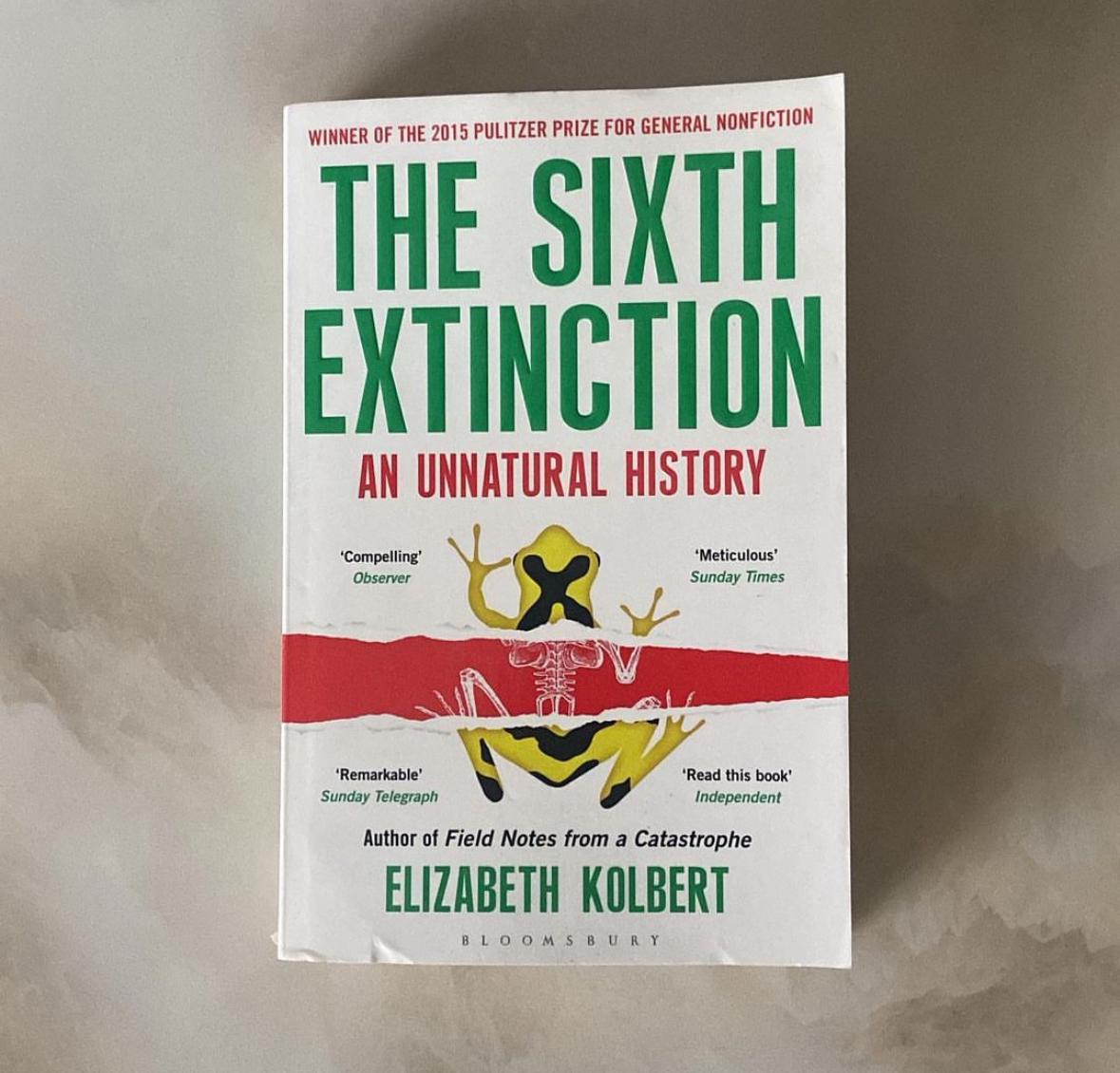 Continue reading →: The Sixth Extinction: An Unnatural History by Elizabeth Kolbert
In “The Sixth Extinction,” Elizabeth Kolbert explores the impending sixth mass extinction driven by human activity, paralleling past extinction events. Through engaging prose and a blend of scientific research, she highlights the profound loss of biodiversity and challenges readers to reconsider humanity’s impact on the planet and its legacy.
-
 Continue reading →: Understanding Energy Transfer in Ecosystems
Schrödinger’s perspective highlights that life thrives on energy transformation while yielding inevitable waste. Organisms navigate complex relationships to access free energy. The text discusses thermodynamic principles governing both living systems and natural phenomena, such as hurricanes and oceanic currents, reflecting on Earth’s intricate energy dynamics and life’s dependence on these…
-
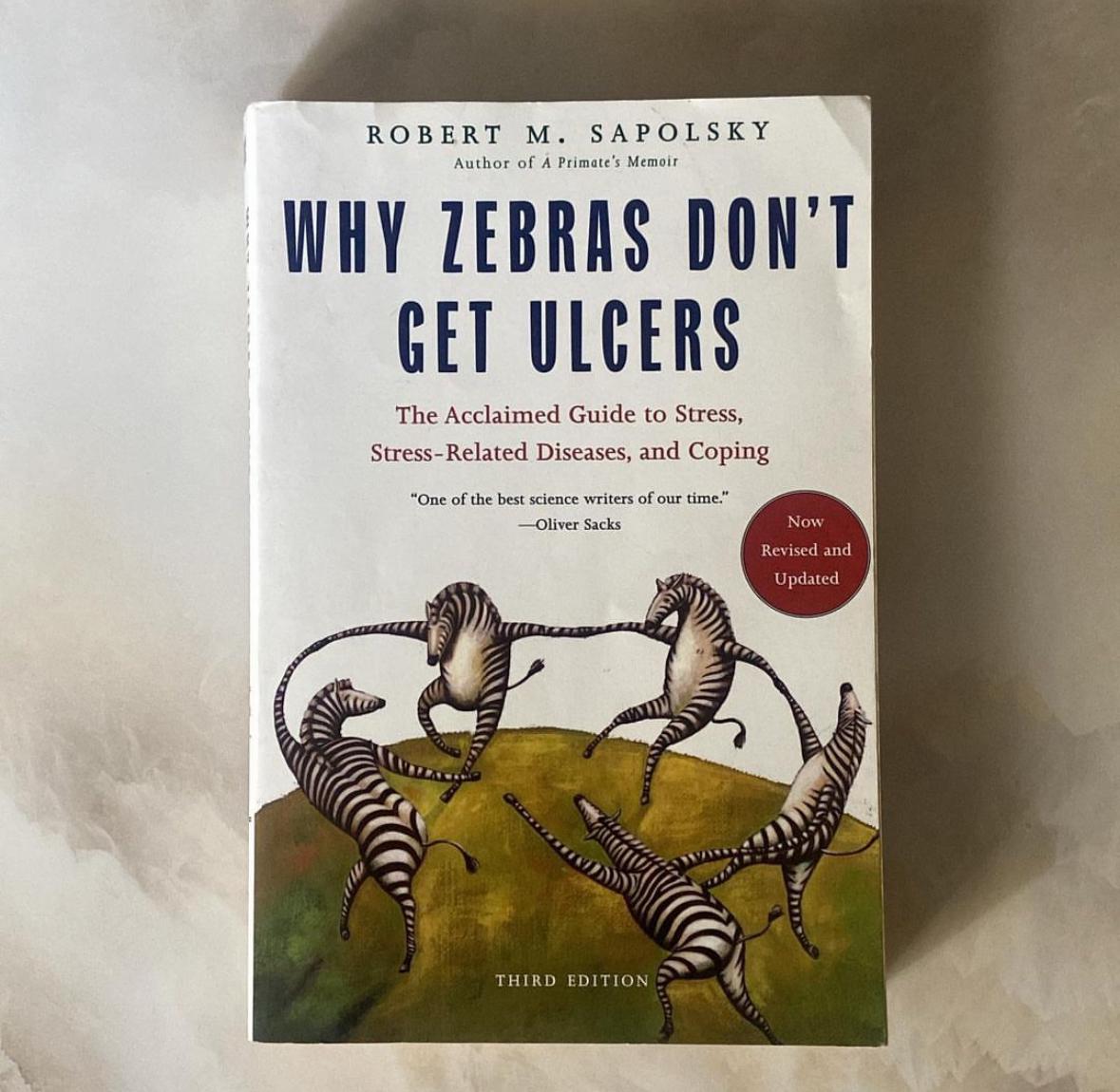 Continue reading →: Why Zebras Don’t Get Ulcers by Robert M. Sapolsky
Robert M. Sapolsky’s updated edition of “Why Zebras Don’t Get Ulcers” explores the health impacts of stress, emphasizing its role in sleep, addiction, anxiety, and personality disorders. He highlights how chronic stress triggers harmful physiological responses, leading to diseases like heart disease and cancer, contrasting human and animal stress responses.
-
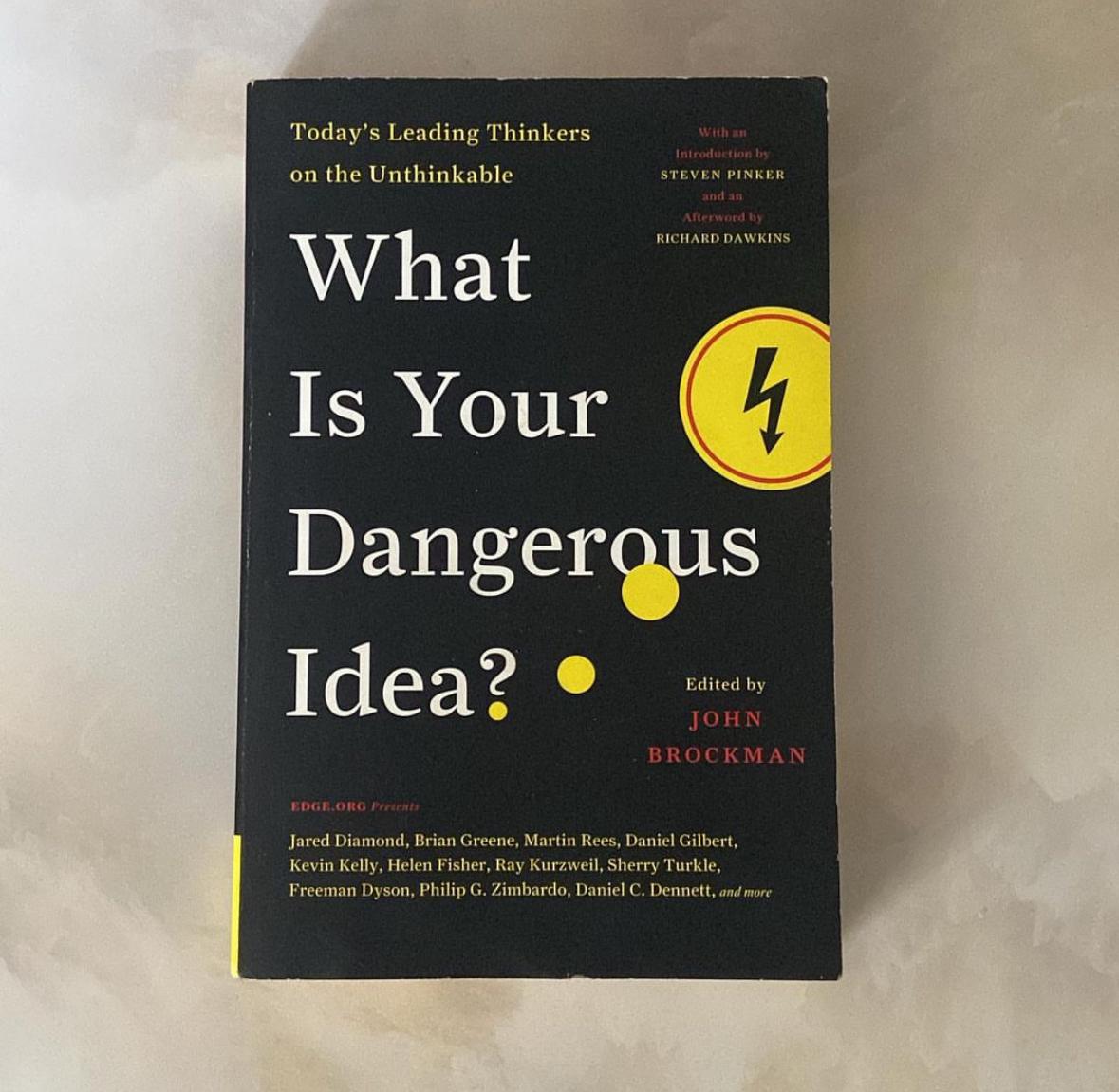 Continue reading →: What Is Your Dangerous Idea? : Today’s Leading Thinkers on the Unthinkable by John Brockman (Editor)
What’s Your Dangerous Idea? explores audacious concepts by leading thinkers like Richard Dawkins and Jared Diamond, examining ideas that could significantly impact our lives. Covering diverse topics from medical ethics to existential inquiries, the book showcases how challenging conventional beliefs can provoke profound societal and philosophical shifts.
-
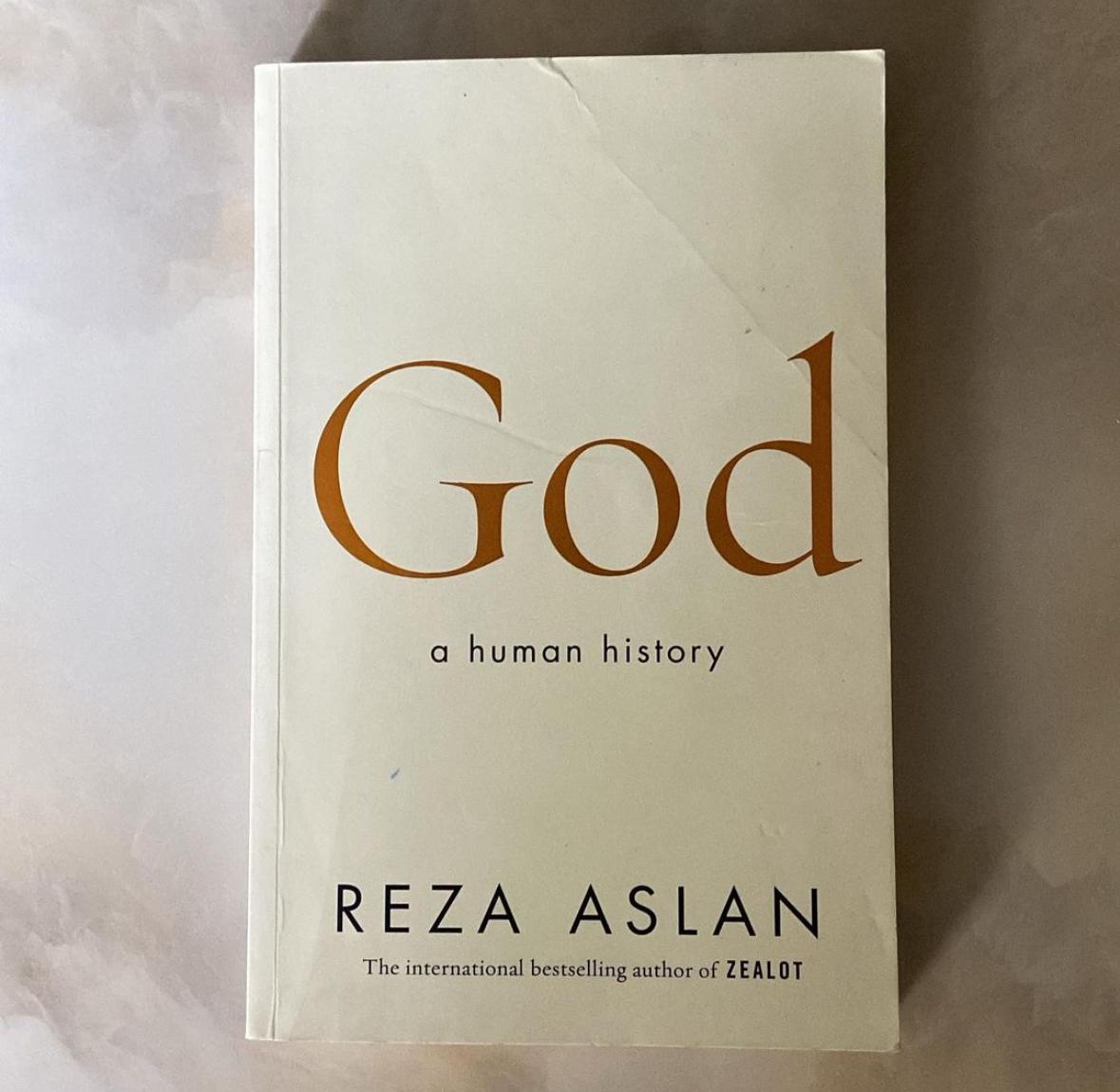 Continue reading →: God: A Human History by Reza Aslan
Reza Aslan’s book explores the human biography of God, blending history and personal beliefs. It examines the concept of a “humanized God” and traces early human belief in animism, supported by prehistoric cave art. Aslan emphasizes that the work is a historical investigation rather than a religious narrative.
-
 Continue reading →: The Secret to Happiness: Cultivating Inner Experience
Aristotle posited that the pursuit of happiness is fundamental to human existence, yet many feel unfulfilled despite material advancements. Happiness arises not from external factors but from the efforts we make and how we engage with challenges. Control over one’s inner experience, rather than external pursuits like wealth, is crucial…
-
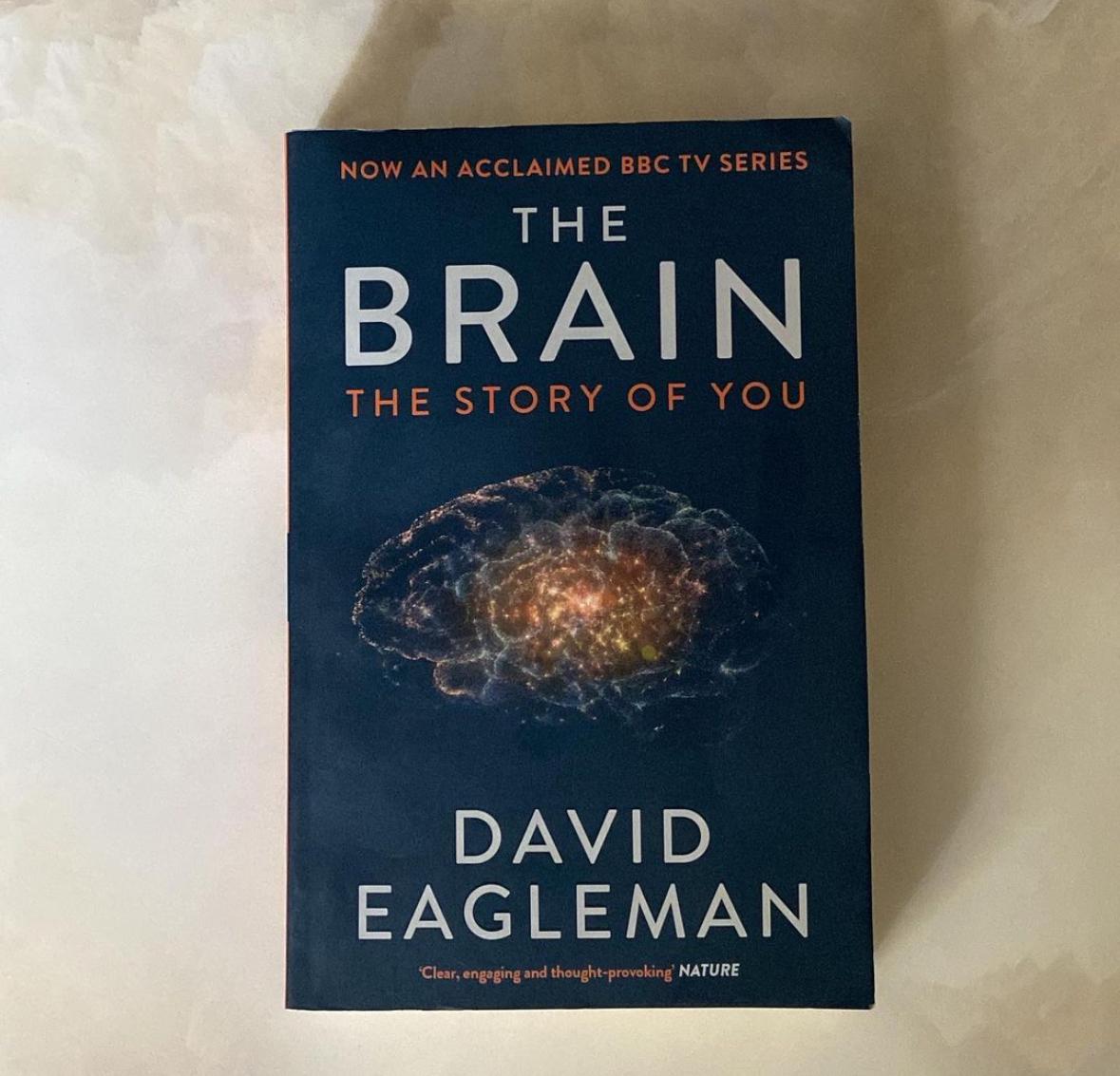 Continue reading →: The Brain: The Story of You by David Eagleman
Neuroscientist David Eagleman explores the essence of reality and identity within the brain’s intricate workings. He examines decision-making, social connections, and the impact of technology on humanity, venturing through diverse topics from extreme sports to robotics. This journey reveals profound insights about existence and personal awareness.
Hello,
I’m Vaibhav

I am a science communicator and avid reader with a focus on Life Sciences. I write for my science blog covering topics like science, psychology, sociology, spirituality, and human experiences. I also share book recommendations on Life Sciences, aiming to inspire others to explore the world of science through literature. My work connects scientific knowledge with the broader themes of life and society.
Let’s connect
Recent posts






Biology Brain Brain Health Business Cancer Consciousness diet Disease DNA Ecology Economics Emotions environment Evolution food Genes Genetics Health Human Human Anatomy human body Human Brain life Lifestyle Medical Medicine Mental Health Mind Mindfulness Nature Neurology Neuropsychology Neuroscience Nutrition Philosophy Psychology Science Self Care Self Help Social Social Media Society Sociology Stress Wellness